
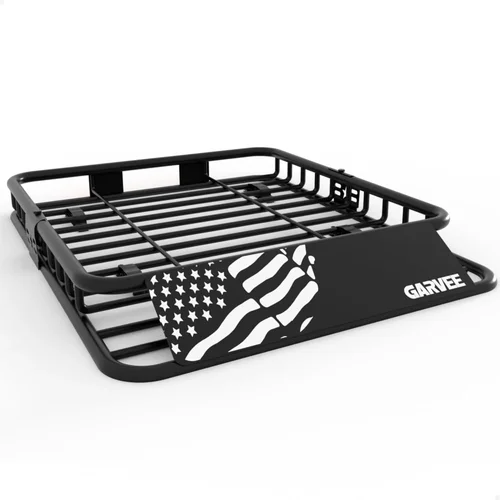
SUVs are built for adventure—spacious interiors, rugged capability, and the freedom to explore off the beaten path. But even the most generously sized SUVs can run out of room when you’re packing for a family camping trip, a cross-country road trip, or hauling gear for a weekend of outdoor sports. That’s where an SUV roof basket carrier comes in. These versatile rooftop cargo solutions transform your vehicle into a mobile storage powerhouse, allowing you to carry everything from luggage and coolers to kayaks, bikes, and camping equipment—all while keeping your cabin clutter-free and comfortable.
Choosing the right roof basket isn’t as simple as picking the biggest or shiniest one on the shelf. With dozens of models, materials, mounting systems, and price points available in 2026, it’s easy to get overwhelmed—or worse, end up with a carrier that doesn’t fit your SUV, fails under load, or creates excessive wind noise. That’s why this comprehensive buying guide exists: to cut through the confusion and help you make a smart, informed decision. Whether you’re a weekend warrior, a full-time overlander, or just someone who needs extra space for holiday travel, this guide will walk you through every critical factor—from budget and build quality to aerodynamics and installation—so you can find the perfect roof basket for your needs.
The market for SUV roof carriers has evolved significantly in recent years. Gone are the days when heavy, rust-prone steel baskets were the only option. Today’s carriers feature lightweight aluminum frames, modular designs, improved aerodynamics, and compatibility with a wide range of roof rack systems. Brands like Thule, Yakima, Rhino-Rack, and Front Runner have pushed innovation forward, while newer entrants offer competitive alternatives at lower price points. With so many choices, understanding what truly matters—and what’s just marketing fluff—is essential. By the end of this guide, you’ll know exactly how to evaluate options, avoid common pitfalls, and invest in a roof basket that enhances your adventures instead of complicating them.
What to Look for When Buying Buying Guide
1. Budget & Price Range
Your budget is often the first filter when shopping for an SUV roof basket carrier. Prices can range from under $150 for basic models to over $800 for premium, expedition-grade units. While it’s tempting to go for the cheapest option, remember that a roof basket is a long-term investment in your vehicle’s utility and safety. A poorly constructed basket can damage your roof rails, fail mid-drive, or even become a hazard on the road.
Set a realistic budget based on how often you’ll use the carrier and what you plan to haul. Occasional users might be fine with a mid-tier model ($250–$400), while frequent travelers or overlanders should consider investing in a high-end unit designed for durability and heavy loads. Always factor in additional costs like crossbars (if your SUV doesn’t already have them), tie-down straps, and fairings. A complete setup can easily add $100–$200 to your total spend.
2. Performance Specifications
Performance specs define what your roof basket can realistically handle. The two most critical metrics are dynamic load capacity (how much weight it can safely carry while driving) and static load capacity (how much it can hold when stationary). Most SUV-compatible baskets support 100–165 lbs dynamically, but always check your vehicle manufacturer’s roof load limit—exceeding it voids warranties and risks structural damage.
Also consider wind resistance and aerodynamics. A poorly designed basket creates drag, increasing fuel consumption and generating loud wind noise. Look for models with curved edges, low-profile frames, or optional aerodynamic fairings. Some premium baskets reduce noise by up to 70% compared to boxy, open-grid designs. If you frequently drive at highway speeds, this isn’t just a comfort issue—it affects long-term fuel costs and driving fatigue.
3. Build Quality & Durability
Roof baskets face brutal conditions: UV exposure, rain, snow, salt, extreme temperatures, and constant vibration. Cheap materials like thin-gauge steel or low-grade plastics will corrode, crack, or warp within a year or two. Opt for baskets made from powder-coated aluminum or stainless steel—these resist rust, handle impacts better, and maintain structural integrity over time.
Inspect welds, joints, and mounting hardware. High-quality baskets use TIG welding for strength and include stainless steel bolts and clamps. Avoid models with flimsy plastic end caps or snap-on components that can break or loosen. If you live in a coastal area or drive on salted winter roads, corrosion resistance isn’t optional—it’s essential.
4. Features & Functionality
Modern roof baskets offer more than just open-grid storage. Look for features that match your lifestyle. Side rails or raised edges prevent items from sliding off during sharp turns. Integrated tie-down points (D-rings, loops, or straps) simplify securing cargo. Some models include removable side panels or mesh nets for added containment.
Modularity is another big plus. Baskets that allow you to add extensions, dividers, or accessory mounts (for bikes, kayaks, or cargo boxes) offer future-proof flexibility. If you plan to carry irregularly shaped items like coolers or firewood, a basket with adjustable side rails or a flat base is ideal. For urban drivers, consider a model that folds flat when not in use to reduce height and improve garage clearance.
5. Brand Reputation
Not all roof carriers are created equal—and brand matters. Established names like Thule, Yakima, and Rhino-Rack have decades of engineering experience, rigorous testing protocols, and global service networks. They consistently deliver reliable products backed by strong warranties and customer support.
That said, newer brands like Gobi, Sherpa, and Vortex are gaining traction with innovative designs and competitive pricing. Research user forums, YouTube reviews, and third-party testing to gauge real-world performance. Be wary of no-name brands sold exclusively through online marketplaces—they often lack proper certifications (like TÜV or ISO standards) and may use misleading marketing claims.
6. Warranty & Support
A roof basket should last many years with proper care. A solid warranty reflects manufacturer confidence in their product. Top-tier brands typically offer 3–5 year limited warranties covering defects in materials and workmanship. Some even provide lifetime coverage on structural components.
Check what the warranty includes—does it cover rust? What about damage from improper installation? Also consider customer service responsiveness. Can you easily get replacement parts? Is there a U.S.-based support team? A great product with poor support can become a nightmare if something goes wrong mid-trip.
7. Size & Portability
Roof basket dimensions directly impact usability. Measure your SUV’s roof length and width before buying. A basket that’s too long may overhang dangerously or interfere with sunroofs; one that’s too narrow wastes potential space. Standard sizes range from 44″ to 65″ in length and 39″ to 48″ in width.
Weight matters too—especially if you plan to remove the basket regularly. Aluminum models typically weigh 20–35 lbs, while steel versions can exceed 50 lbs. Heavier baskets are harder to install alone and may require two people. If you’re frequently swapping between vehicles or storing the basket indoors, look for lightweight, collapsible designs.
8. User Reviews & Ratings
Don’t rely solely on manufacturer specs. Real-world feedback from verified buyers reveals nuances that specs can’t capture: ease of installation, noise levels at speed, how well it holds up after a season of use, and compatibility quirks with specific SUV models.
Read reviews across multiple platforms (Amazon, REI, manufacturer sites, forums like Overland Journal). Pay attention to recurring complaints—if multiple users report loose bolts or cracked welds, it’s a red flag. Conversely, consistent praise for quiet operation or secure mounting is a strong endorsement. Look for photos of the basket installed on similar SUVs to assess fit and appearance.
Different Types of Buying Guide

Common Buying Mistakes to Avoid
❌ Mistake: Ignoring Your SUV’s Roof Load Limit
Why it’s bad: Every SUV has a maximum dynamic roof load specified by the manufacturer (usually found in the owner’s manual or door jamb sticker). Exceeding this limit—even with a high-capacity basket—can damage your roof structure, cause handling issues, or lead to catastrophic failure at speed.
What to do instead: Always check your vehicle’s roof rating first. Subtract the weight of the empty basket and crossbars from this number to determine your actual cargo capacity. For example, if your SUV allows 165 lbs and your basket weighs 30 lbs, you can safely carry 135 lbs of gear.
❌ Mistake: Buying Based Solely on Price
Why it’s bad: The cheapest basket may save you $100 upfront but cost you more in the long run due to premature rust, broken welds, or incompatibility with your roof rack. You’ll also likely replace it sooner, doubling your expense.
What to do instead: Treat price as one factor among many. Prioritize value—durability, features, and brand reputation—over the lowest sticker price. A $350 basket that lasts 8 years is a better deal than a $180 one that fails after 2.
❌ Mistake: Overlooking Installation Complexity
Why it’s bad: Some baskets require permanent modifications, special tools, or professional installation. If you’re a DIYer without mechanical experience, a complicated setup can lead to improper mounting, which risks cargo loss or vehicle damage.
What to do instead: Choose a basket designed for tool-free or bolt-on installation that matches your existing roof rails or crossbars. Read installation instructions before buying, and watch YouTube tutorials for your specific SUV model.
❌ Mistake: Assuming All Baskets Fit All SUVs
Why it’s bad: Roof rack systems vary widely between manufacturers and even model years. A basket that fits a 2023 Toyota RAV4 may not work on a 2025 Ford Explorer due to differences in rail spacing, curvature, or attachment points.
What to do instead: Verify compatibility using the manufacturer’s fit guide. Many brands offer vehicle-specific mounting kits. When in doubt, contact customer support with your SUV’s year, make, and model.
❌ Mistake: Neglecting Aerodynamics and Noise
Why it’s bad: A boxy, open-grid basket can create a constant “whistling” or “roaring” sound at highway speeds, making long drives miserable. It also increases drag, reducing fuel economy by 5–10%.
What to do instead: Opt for baskets with rounded edges, integrated fairings, or low-profile designs. Consider adding an aftermarket wind deflector if your model doesn’t include one.
❌ Mistake: Forgetting About Garage Clearance
Why it’s bad: Adding a roof basket increases your vehicle’s height by 6–12 inches. If you park in a garage with low clearance, you could scrape the ceiling or damage the basket—or worse, your SUV’s roof.
What to do instead: Measure your garage door height and compare it to your SUV’s height with the basket installed. Choose a foldable or removable model if space is tight.
❌ Mistake: Not Securing Cargo Properly
Why it’s bad: Even the best basket won’t protect your gear if it’s not tied down correctly. Loose items can shift, fall off, or become projectiles in sudden stops.
What to do instead: Always use high-quality ratchet straps or bungee cords with hooks that lock onto the basket’s tie-down points. Distribute weight evenly and avoid overloading one side.
Budget Guidelines: How Much Should You Spend?
Entry-Level ($150–$250): These baskets are ideal for occasional use—think weekend trips or holiday travel. Expect basic steel or thin aluminum construction, minimal features, and limited warranties (1–2 years). Brands like Leader Accessories or generic Amazon sellers dominate this tier. While functional, they may rust quickly or lack secure mounting hardware. Best for light loads under 100 lbs.
Mid-Range ($250–$450): This is the sweet spot for most SUV owners. You’ll find well-built aluminum baskets from reputable brands like Thule Motion XT or Yakima LoadWarrior. They offer better aerodynamics, corrosion resistance, and user-friendly mounting systems. Many include side rails, multiple tie-down points, and 3–5 year warranties. Perfect for regular campers, families, and road trippers.
Premium ($450–$650): Designed for serious adventurers, these baskets prioritize durability, modularity, and performance. Look for expedition-ready models from Rhino-Rack, Front Runner, or Gobi. Features include reinforced frames, powder-coated finishes, accessory mounts, and advanced aerodynamics. Ideal for overlanders, photographers, or anyone carrying heavy or specialized gear.
Luxury ($650+): At this level, you’re paying for engineering excellence, brand prestige, and cutting-edge materials. Think carbon fiber accents, integrated LED lighting, or smart cargo management systems. These are overkill for casual users but justify their cost for professionals or those who demand the absolute best.
Expert Tips for Getting the Best Deal
- Shop during off-season sales: Retailers like REI, Backcountry, and Amazon often discount roof carriers in late winter (February–March) as demand shifts to indoor gear. You can save 20–30% on last year’s models.
- Buy directly from manufacturers: Brands like Thule and Yakima frequently run exclusive promotions, bundle deals (e.g., basket + straps), or offer free shipping on direct orders.
- Check return policies: Ensure the retailer allows returns if the basket doesn’t fit your SUV. Some stores charge restocking fees, so read the fine print.
- Look for certified refurbished units: Many brands sell open-box or returned items at 15–25% off with full warranties. These are often indistinguishable from new.
- Join loyalty programs: REI Co-op members get annual dividends and access to member-only sales. Similar programs exist at Moosejaw and Evo.
- Test before committing: If possible, visit a local outdoor retailer to see the basket in person. Check weight, finish quality, and ease of assembly.
- Negotiate with local shops: Independent auto or outdoor stores may price-match online retailers or throw in free installation.
- Consider used options: Check Facebook Marketplace, Craigslist, or Overland forums for gently used baskets. Inspect thoroughly for rust, cracks, or missing parts.

Frequently Asked Questions
Q: Can I install a roof basket myself?
A: Yes—most modern baskets are designed for DIY installation and include detailed instructions. However, if your SUV has flush-mounted rails or a panoramic sunroof, consult a professional to avoid damaging seals or trim.
Q: Will a roof basket damage my SUV’s paint?
A: Not if installed correctly. Use rubber pads or protective tape where the basket contacts the roof. Avoid overtightening clamps, which can scratch paint or dent trim.
Q: How much does a roof basket affect gas mileage?
A: Expect a 5–10% decrease in fuel economy due to added wind resistance. The effect is more pronounced at highway speeds. Aerodynamic baskets minimize this impact.
Q: Can I use a roof basket in the rain or snow?
A: Absolutely—but only if your cargo is properly covered or waterproofed. Open baskets don’t protect gear from the elements. Use tarps, dry bags, or consider an enclosed model for wet conditions.
Q: What’s the difference between a roof basket and a roof box?
A: Roof baskets are open-grid platforms ideal for bulky, rugged items. Roof boxes are fully enclosed hard shells better suited for clothing, electronics, or weather-sensitive cargo. Some users combine both!
Q: Do I need crossbars to install a roof basket?
A: Almost always. Your SUV’s factory roof rails aren’t enough—you need crossbars (like Thule WingBar Evo or Yakima JetStream) to create a stable mounting platform. Check compatibility before buying.
Q: How do I clean and maintain my roof basket?
A: Rinse with mild soap and water after trips, especially in winter. Inspect bolts and welds annually. Apply a silicone-based protectant to moving parts to prevent squeaking.
Q: Can I leave the basket on year-round?
A: You can, but it’s not recommended. Prolonged exposure accelerates wear and increases wind noise. Remove it when not in use to extend its life and improve fuel efficiency.
Q: Are roof baskets legal everywhere?
A: Generally yes, but some states have restrictions on protruding loads or require flags for overhangs over 4 feet. Always secure cargo and follow local laws.
Q: What if my SUV has a sunroof?
A: Most baskets won’t interfere, but measure carefully. Avoid models that mount too far forward. Some brands offer low-profile designs specifically for sunroof-equipped vehicles.
Our Final Recommendations
Best for Budget-Conscious Buyers: Leader Accessories 44″ Aluminum Roof Basket – At under $200, it offers solid construction, easy installation, and decent load capacity. Great for occasional use and light cargo.
Best Overall Value: Thule Motion XT L – Combines sleek design, excellent aerodynamics, and robust build quality. Priced around $400, it’s a favorite among road trippers and families.
Best Premium Option: Front Runner Slimline II Roof Rack – Modular, ultra-durable, and endlessly customizable. At $650+, it’s built for overlanders who demand reliability in remote environments.
Best for Beginners: Yakima LoadWarrior – User-friendly mounting, clear instructions, and reliable performance. Ideal for first-time buyers who want a hassle-free experience.
Best for Advanced Users: Rhino-Rack Pioneer Platform – Features integrated accessory rails, anti-theft hardware, and expedition-grade strength. Perfect for those building a full overland setup.
Conclusion: Making the Right Choice
An SUV roof basket carrier isn’t just an accessory—it’s a gateway to more freedom, comfort, and adventure. Whether you’re loading up for a beach weekend, hauling firewood to the cabin, or embarking on a months-long expedition, the right basket makes all the difference. Throughout this guide, we’ve covered the essentials: from understanding load limits and material quality to avoiding costly mistakes and maximizing value.
The key takeaway? Don’t rush. Take time to assess your needs, measure your vehicle, and compare options based on real-world performance—not just marketing claims. Prioritize safety, compatibility, and long-term durability over flashy features or rock-bottom prices. And remember: the best roof basket is the one that fits your lifestyle, protects your gear, and inspires you to hit the road with confidence.
Now that you’re armed with expert knowledge, it’s time to choose wisely. Your next great adventure is waiting—make sure your SUV is ready for it.