
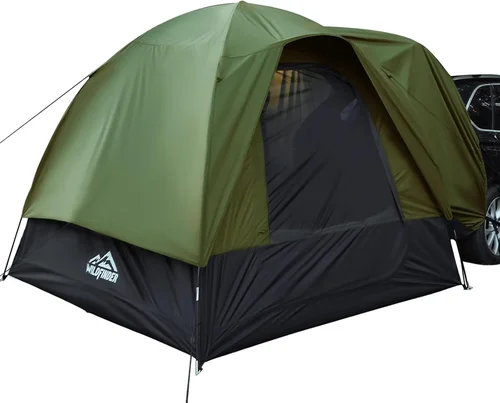
Camping has evolved far beyond the classic tent-and-campfire setup. For modern adventurers who value comfort, convenience, and a seamless transition from vehicle to campsite, the SUV tent attachment has become a game-changer. Whether you’re a weekend warrior exploring national parks, a family seeking a hassle-free vacation, or an overlanding enthusiast pushing the limits off-grid, an SUV tent can transform your vehicle into a cozy, weather-resistant basecamp. But with dozens of models flooding the market—each boasting different features, materials, and compatibility claims—choosing the right one can feel overwhelming. That’s where this guide comes in.
In this comprehensive 2026 buying guide, we’ll walk you through everything you need to know to make an informed decision. You’ll learn how to evaluate key factors like size, material quality, ease of setup, and compatibility with your specific SUV model. We’ll break down the different types of SUV tents available, highlight common pitfalls to avoid, and provide expert tips to help you get the best value for your investment. By the end, you’ll have a clear understanding of what to look for, how much to spend, and which models stand out in today’s competitive landscape.
The market for SUV tents has exploded in recent years, driven by rising interest in outdoor recreation and the growing popularity of car camping. Brands like Napier, Rightline Gear, and Kodiak Canvas now offer a wide range of options—from budget-friendly pop-ups to high-end, all-weather shelters designed for extreme conditions. With innovations in fabric technology, modular designs, and vehicle-specific fit systems, there’s never been a better time to upgrade your camping experience. This guide cuts through the marketing noise and delivers practical, expert-backed advice tailored to real-world use.

What to Look for When Buying Buying Guide
1. Compatibility with Your Vehicle
Not all SUV tents are created equal—and not all will fit your vehicle. The most critical factor before making any purchase is ensuring the tent is compatible with your SUV’s make, model, and year. Many manufacturers design tents specifically for popular models like the Jeep Wrangler, Toyota 4Runner, or Subaru Outback, while others offer universal-fit options that rely on adjustable straps and flexible attachment points.
Check the product specifications carefully. Look for details such as required door dimensions, tailgate height, and whether the tent attaches to the bumper, roof rails, or rear hatch. Some tents require a hardtop or soft top, while others work with both. If you have a lifted vehicle or aftermarket modifications (like a spare tire carrier or roof rack), confirm that these won’t interfere with the tent’s installation. A poorly fitting tent can lead to gaps, flapping in the wind, or even damage to your vehicle’s paint or trim.
2. Setup Time and Ease of Use
One of the biggest selling points of SUV tents is convenience—so if it takes you 45 minutes and three people to set up, you’re missing the point. Look for models that advertise “quick setup” or “one-person assembly.” Most quality SUV tents can be pitched in under 10 minutes once you’re familiar with the process, but first-time setup may take longer.
Key features that simplify setup include color-coded poles, pre-attached guylines, and intuitive clip systems. Some tents use a “tunnel” or “awning” design that unfolds like an accordion, while others require you to erect a separate frame. Consider whether you’ll be camping solo or with others—if you’re often alone, prioritize simplicity over complex multi-room layouts. Also, practice setting up the tent at home before your trip. Nothing ruins a camping mood faster than fumbling with poles in the dark after a long drive.
3. Weather Resistance and Seasonality
Your tent should protect you from rain, wind, snow, and even intense sun—not just mild spring weather. Check the waterproof rating (measured in millimeters, or mm). A rating of 1,500mm is acceptable for light rain, but for serious weather protection, aim for 2,000mm or higher. Look for fully taped seams and a durable rainfly that extends well beyond the tent walls.
Ventilation is equally important. Poor airflow leads to condensation buildup, which can soak your gear and make sleeping uncomfortable. Mesh panels, adjustable vents, and dual-layer doors help regulate temperature and reduce moisture. For three-season use (spring through fall), most standard SUV tents suffice. But if you plan winter camping or high-altitude adventures, consider a four-season model with reinforced poles, heavier fabrics, and snow-load capacity. Remember: a tent that leaks in a thunderstorm or collapses under snow isn’t just inconvenient—it’s unsafe.
4. Interior Space and Layout
How much room do you really need? SUV tents vary widely in floor area—from compact 60-square-foot models ideal for two people to sprawling 120+ square-foot cabins that sleep six or more. Think about your typical camping group size, gear storage needs, and whether you’ll use the space for lounging, cooking, or changing clothes.
Layout matters too. Some tents feature a single open chamber, while others include zippered room dividers, gear lofts, or vestibules for extra storage. A vestibule is especially useful for keeping muddy boots and wet gear outside the sleeping area. If you’re traveling with kids or pets, extra space can make a huge difference in comfort. Also consider ceiling height—taller campers will appreciate models with peak heights over 70 inches, allowing them to stand upright inside.
5. Material Quality and Durability
The fabric and construction determine how long your tent will last. Polyester is common and affordable but less breathable than nylon. Ripstop nylon offers better strength-to-weight ratio and resistance to tearing. For premium durability, look for canvas tents—they’re heavier but incredibly tough, mold-resistant, and excellent at regulating temperature.
Poles should be made of lightweight yet sturdy materials like aluminum (preferred) or fiberglass (more prone to bending). Double-stitched seams, reinforced stress points, and heavy-duty zippers are signs of quality craftsmanship. Avoid tents with flimsy plastic buckles or thin guylines—these are failure points in windy conditions. A well-built tent might cost more upfront but will save you money (and frustration) in the long run by avoiding premature replacement.
6. Portability and Storage
Even the best SUV tent is useless if it’s too bulky or heavy to transport. Consider the packed size and weight—especially if you’re flying to a destination or storing it in a small garage. Most SUV tents come with a carrying bag, but check its dimensions and whether it includes wheels or backpack straps for easier handling.
Some models collapse into surprisingly compact bundles, while others remain quite large due to rigid frames or multiple components. If you camp frequently, a lighter, more packable option may be worth the trade-off in interior space. Also, think about how you’ll store the tent when not in use. A tent that fits neatly in your garage or under a bed is more likely to be used regularly than one that becomes a permanent eyesore.
7. Brand Reputation and Customer Support
Not all brands are equal when it comes to reliability and service. Established names like Napier, Rightline Gear, and Kodiak Canvas have years of customer feedback and proven track records. Read reviews not just for star ratings but for comments about customer service responsiveness, warranty fulfillment, and how the company handles defects or shipping issues.
A reputable brand often means better quality control, clearer instructions, and accessible replacement parts. Some companies even offer video tutorials or live chat support to help with setup troubles. Avoid unknown brands with no verifiable history—especially those sold exclusively through third-party marketplaces with minimal seller information. A good warranty (see below) is also a strong indicator of confidence in the product.
8. Warranty and Return Policy
A solid warranty protects your investment and reflects the manufacturer’s faith in their product. Most quality SUV tents come with a 1–3 year limited warranty covering defects in materials and workmanship. Some premium brands offer lifetime warranties on specific components like frames or fabric.
Read the fine print: Does the warranty cover normal wear and tear? What about damage from UV exposure or improper storage? Also, check the return policy—can you return the tent if it doesn’t fit your vehicle? Many retailers offer 30-day return windows, but some charge restocking fees or require original packaging. Buying from a retailer with a generous return policy (like REI or Backcountry) gives you peace of mind if the tent isn’t right for you.
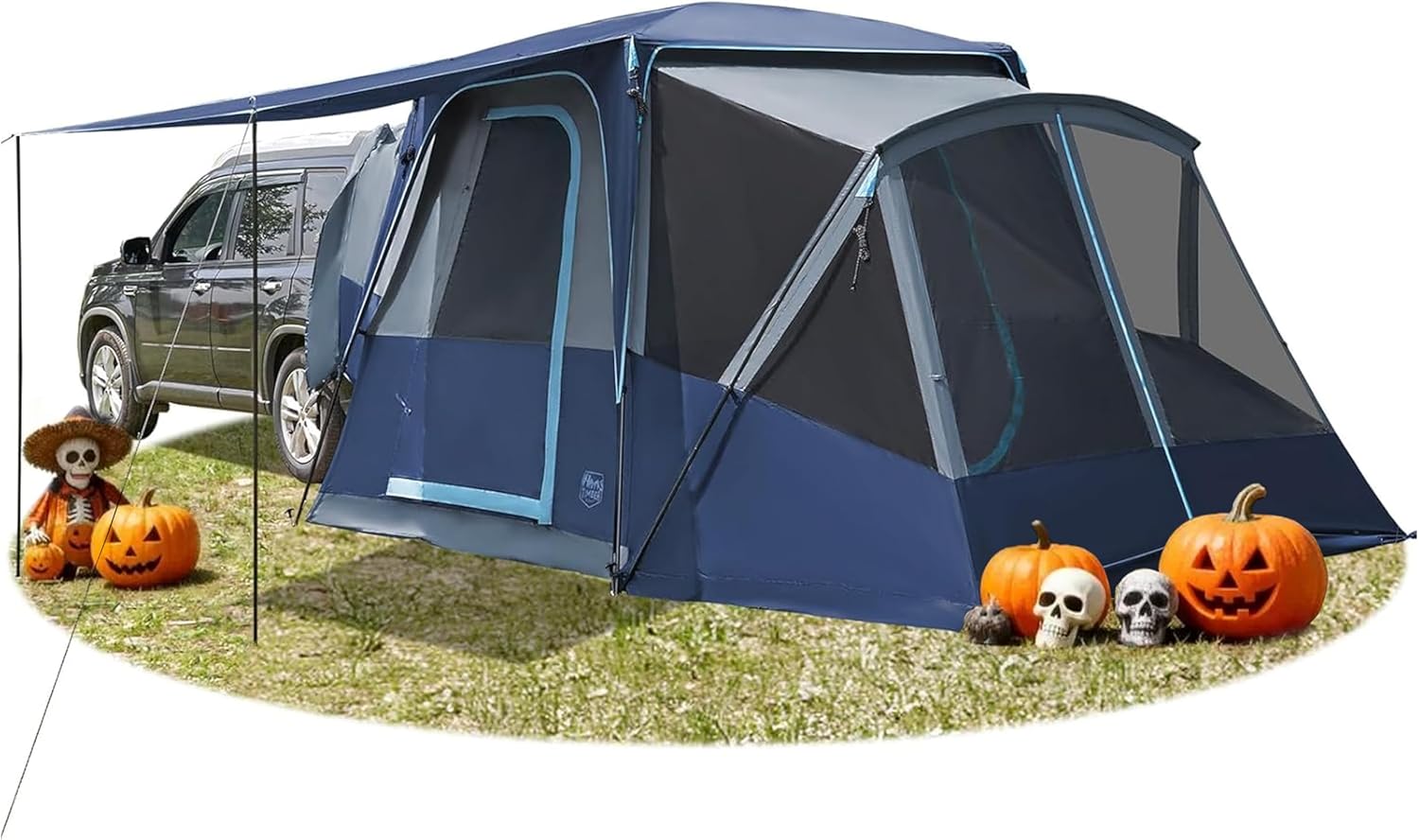
Different Types of Buying Guide
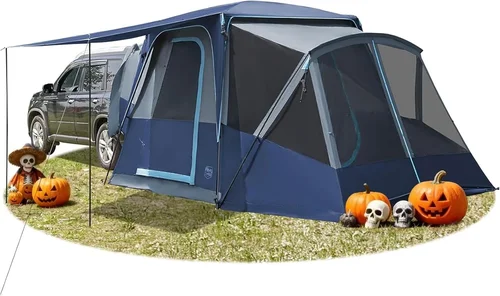
Common Buying Mistakes to Avoid
❌ Mistake: Ignoring Vehicle Compatibility
Why it’s bad: Buying a tent that doesn’t properly attach to your SUV can result in gaps, leaks, or even damage to your vehicle. A loose fit also increases wind resistance and noise while driving.
What to do instead: Always verify fit using the manufacturer’s compatibility chart. If your model isn’t listed, contact support with photos and measurements. Consider universal tents only if they include robust adjustment options.
❌ Mistake: Prioritizing Price Over Quality
Why it’s bad: Cheap tents often use thin fabrics, weak zippers, and poorly designed pole systems that fail in moderate weather. You’ll end up replacing them within a season or two.
What to do instead: View your SUV tent as a long-term investment. Spend a bit more for proven materials and construction. Mid-range tents ($300–$500) often offer the best balance of cost and performance.
❌ Mistake: Overlooking Ventilation Needs
Why it’s bad: Tents without adequate airflow trap moisture, leading to condensation, mold, and uncomfortable sleeping conditions—even in dry climates.
What to do instead: Choose models with multiple mesh windows, adjustable roof vents, and dual-layer doors. Test ventilation by spending a night in your driveway on a cool evening.
❌ Mistake: Assuming All “Waterproof” Tents Are Equal
Why it’s bad: Many budget tents claim to be waterproof but lack taped seams or sufficient hydrostatic head ratings, leading to leaks during heavy rain.
What to do instead: Look for explicit waterproof ratings (2,000mm+), fully taped seams, and a full-coverage rainfly. Read user reviews mentioning real-world rain performance.
❌ Mistake: Neglecting Practice Setup
Why it’s bad: Struggling to assemble your tent at a remote campsite after dark is frustrating and can damage components.
What to do instead: Set up the tent at home before your first trip. Time yourself and note any tricky steps. Keep the instruction manual in your vehicle glove box.
❌ Mistake: Forgetting About Storage and Transport
Why it’s bad: A tent that’s too heavy or bulky discourages frequent use and may not fit in your vehicle alongside other gear.
What to do instead: Check packed dimensions and weight. If you fly to destinations, ensure it fits airline size limits or consider shipping it ahead.
❌ Mistake: Skipping the Warranty Check
Why it’s bad: Without a solid warranty, you’re on the hook for repairs or replacements if the tent fails prematurely.
What to do instead: Register your purchase immediately and keep receipts. Understand what’s covered and how to file a claim.
Budget Guidelines: How Much Should You Spend?
Entry-Level ($150–$250): These tents are ideal for occasional campers or those on a tight budget. Expect basic polyester construction, minimal features, and shorter lifespans. Brands like Coleman and generic Amazon sellers dominate this tier. While they can work for fair-weather weekends, they’re not recommended for frequent or adverse-condition use.
Mid-Range ($250–$500): This is the sweet spot for most buyers. Tents in this range offer reliable weather protection, decent ventilation, and user-friendly setups. Models from Rightline Gear, Napier, and Klymit fall here. You’ll get aluminum poles, better fabrics, and thoughtful design details like gear pockets and vestibules. Perfect for families and regular campers.
Premium ($500–$800): Designed for serious adventurers, these tents feature high-end materials like ripstop nylon or hybrid canvas, advanced ventilation systems, and modular capabilities. They’re built to last years and perform in challenging environments. Ideal for overlanders, photographers, or anyone who camps monthly.
Luxury ($800+): At this level, you’re paying for craftsmanship, extreme durability, and luxury amenities. Full canvas constructions (like those from Kodiak Canvas or Tuff Stuff Overland) offer unmatched climate control, noise reduction, and longevity. These are for enthusiasts who view camping as a lifestyle, not just a hobby.
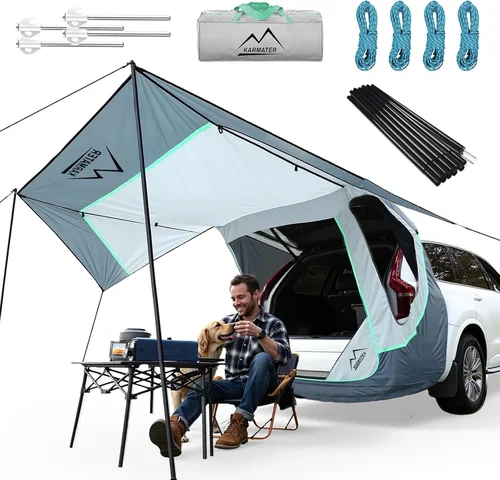
Expert Tips for Getting the Best Deal
- Shop during off-season sales: Retailers like REI, Moosejaw, and Amazon often discount camping gear in late fall and winter. You can save 20–40% on last year’s models.
- Buy directly from manufacturers: Brands like Napier frequently run exclusive promotions, bundle deals (tent + awning), or offer free shipping that third-party sellers don’t match.
- Check refurbished or open-box options: Many retailers sell returned or demo units at steep discounts. These are often indistinguishable from new and come with full warranties.
- Use price-tracking tools: Set alerts on Google Shopping, Honey, or CamelCamelCamel to notify you when prices drop.
- Consider bundle packages: Some sellers offer SUV tent + ground tarp + footprint + storage bag combos for less than buying individually.
- Read return policies carefully: Ensure you can return the tent if it doesn’t fit—even if opened. Some retailers require unopened packaging.
- Test before committing: If possible, visit an outdoor retailer with your vehicle to see how the tent attaches. Hands-on experience beats online specs every time.
- Join loyalty programs: REI Co-op members get annual dividends and access to member-only sales. Similar programs exist at Backcountry and Moosejaw.

Frequently Asked Questions
Q: Can I use an SUV tent with a hatchback or sedan?
A: Most SUV tents are designed for vehicles with a rear hatch or tailgate that opens upward. Some models can adapt to sedans or hatchbacks with low rooflines, but compatibility is limited. Check the manufacturer’s fit guide—many explicitly exclude non-SUV vehicles.
Q: Do I need to modify my vehicle to attach the tent?
A: No reputable SUV tent requires permanent modifications. They attach via straps, clips, or sleeves that wrap around the vehicle without drilling or adhesives. However, ensure your paint is protected with microfiber cloths where straps contact the body.
Q: Will the tent damage my SUV’s paint or trim?
A: Quality tents use soft, non-abrasive materials and include protective pads. Still, always clean the attachment area before setup and avoid leaving the tent on for extended periods in direct sunlight, which can cause heat buildup.
Q: Can I drive with the tent attached?
A: Absolutely not. SUV tents are strictly for stationary use. Driving with one attached is dangerous, illegal in many areas, and will destroy both the tent and your vehicle.
Q: How do I clean and store my SUV tent?
A: Always dry the tent completely before storing to prevent mold. Spot-clean with mild soap and water; avoid harsh detergents. Store in a cool, dry place—never in its stuff sack long-term, as this can weaken fibers. Use the original storage bag or a breathable cotton sack.
Q: Are SUV tents safe in high winds?
A: Well-anchored tents with strong guylines and stakes can handle moderate winds. However, avoid pitching in storm conditions. If winds exceed 30 mph, consider taking the tent down for safety. Four-season models perform better in windy environments.
Q: Can I cook inside an SUV tent?
A: Never cook inside any tent due to carbon monoxide risk and fire hazard. Use a separate cooking shelter or cook outside, well away from the tent entrance. Some modular systems include attached kitchens, but these are designed with proper ventilation.
Q: Do SUV tents work with rooftop tents?
A: Generally, no—they serve different purposes. Rooftop tents sleep on the vehicle roof, while SUV tents extend from the rear. Combining both is impractical and unsafe. Choose based on your camping style: rooftop for minimal ground footprint, SUV tent for spacious basecamping.
Q: How long do SUV tents typically last?
A: With proper care, a mid-range tent lasts 3–5 years of regular use. Premium canvas models can last a decade or more. UV exposure, improper storage, and frequent setup accelerate wear.
Q: Are there eco-friendly SUV tent options?
A: Yes—some brands now use recycled polyester, PFC-free waterproofing, and sustainable packaging. Look for certifications like bluesign® or OEKO-TEX®. While not yet mainstream, eco-conscious options are growing.
Our Final Recommendations
Best for Budget-Conscious Buyers: Rightline Gear Sport SUV Tent – At around $250, it offers solid weather protection, easy setup, and compatibility with most mid-size SUVs. Great value for weekend campers.
Best Overall Value: Napier Backroadz SUV Tent – Priced around $350, this model strikes the perfect balance of durability, space, and ease of use. Its patented vehicle sleeve ensures a snug fit, and the full-coverage rainfly handles heavy rain.
Best Premium Option: Kodiak Canvas SUV Tent – For around $750, this heavyweight delivers unmatched comfort, breathability, and longevity. Ideal for full-time RVers or those camping in variable climates.
Best for Beginners: Coleman SUV Tent – Simple design, clear instructions, and affordable price ($180–$220) make this a stress-free entry point. Just don’t expect extreme weather performance.
Best for Advanced Users: Tuff Stuff Overland Alpha SUV Tent – Modular, rugged, and designed for overlanding, this $900+ system includes optional annex rooms, awning kits, and military-grade materials. Built for those who live on the road.
Conclusion: Making the Right Choice
Choosing the right SUV tent isn’t just about picking the shiniest model or the lowest price—it’s about aligning your purchase with your lifestyle, vehicle, and camping goals. Whether you’re escaping for a single night or planning a month-long expedition, the right tent enhances safety, comfort, and convenience. Remember to prioritize compatibility, weather resistance, and ease of use above all else. Don’t let flashy features distract you from core functionality.
Take the time to research, measure your vehicle, and read real user reviews. Practice setup at home, understand the warranty terms, and invest in a quality product that will serve you for years. The outdoors awaits—and with the right SUV tent, you’ll be ready to meet it on your own terms. So pack your gear, hit the road, and sleep easy knowing you’ve made a smart, informed decision. Your next adventure starts the moment you unzip that door.