
[FEATURED_IMAGE_PLACEOLDER]
SUVs have become the go-to vehicle choice for families, adventurers, and daily commuters alike—offering space, safety, and versatility. But with their elevated ride height comes a practical challenge: getting in and out of the cabin can be awkward, especially for children, seniors, or anyone with limited mobility. That’s where running boards and side steps come in. These seemingly simple accessories aren’t just about convenience—they’re about accessibility, style, and even protection. Whether you’re hauling gear to a mountain trail or helping your toddler climb into the backseat, the right running board can make a world of difference.
This comprehensive buying guide is designed to cut through the noise and help you make an informed decision in 2026. With dozens of brands, materials, and designs flooding the market, it’s easy to feel overwhelmed. Some options are purely aesthetic, while others are engineered for heavy-duty use. Some bolt on in minutes; others require professional installation. Our goal is to equip you with the knowledge to choose the perfect running board for your SUV—based on your budget, lifestyle, vehicle type, and long-term needs. We’ll cover everything from material durability and weight capacity to installation complexity and warranty coverage, so you can drive away confident in your purchase.
The running board market has evolved significantly in recent years. What once was a niche aftermarket add-on is now a mainstream upgrade, with manufacturers offering everything from sleek, low-profile power steps to rugged, off-road-ready nerf bars. OEMs like Ford, Toyota, and Jeep now offer factory-installed options, while aftermarket leaders like AMP Research, Westin, and Go Rhino continue to innovate with smart features like automatic deployment and LED lighting. Whether you drive a compact crossover like a Honda CR-V or a full-size beast like a Chevrolet Tahoe, there’s a running board solution tailored to your ride. Let’s dive into the key factors that will guide your decision.
What to Look for When Buying Buying Guide
1. Vehicle Compatibility & Fitment
Before you even consider style or price, the most critical factor is whether the running board will fit your specific SUV model and year. A mismatch can lead to poor alignment, unsafe stepping surfaces, or even damage to your vehicle’s rocker panels. Always verify compatibility using the manufacturer’s fitment guide—most reputable brands provide a vehicle selector tool on their website. Look for precise measurements of your SUV’s wheelbase, door count (4-door vs. 2-door), and ground clearance. For example, a 2026 Ford Explorer and a 2026 Ford Expedition may look similar, but their chassis dimensions differ significantly, requiring different mounting kits.
Also consider whether your SUV has factory-installed rock rails or body cladding. Some running boards are designed to integrate seamlessly with these features, while others may require removal or modification. If you’ve recently lifted your SUV or installed larger tires, ensure the running board you choose accommodates the increased height without compromising functionality. A board that’s too short or too high can defeat its purpose entirely.
2. Material & Build Quality
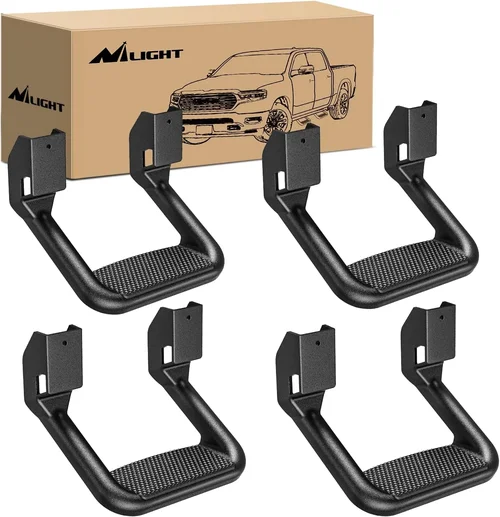
The material of your running board directly impacts its durability, weight, and resistance to corrosion. The three most common materials are aluminum, steel, and composite (plastic or fiberglass). Aluminum is lightweight, rust-resistant, and ideal for daily drivers in wet or snowy climates. It’s also easier to install due to its lower weight. Steel, particularly powder-coated or galvanized steel, offers superior strength and is preferred for off-road enthusiasts or those carrying heavy loads. However, steel is heavier and more prone to rust if the coating is compromised.
Composite materials are often used in budget-friendly options and can mimic the look of metal while being lighter and cheaper. However, they may not hold up as well under extreme conditions or heavy use. When evaluating build quality, inspect the thickness of the material, the quality of welds (if applicable), and the finish. A high-quality powder coat should be smooth, even, and resistant to chipping. Avoid boards with visible seams, rough edges, or flimsy brackets—these are red flags for poor manufacturing.
3. Weight Capacity & Load Rating
Not all running boards are created equal when it comes to how much weight they can safely support. Most standard models are rated for 300 to 500 pounds per side, which is sufficient for average adult passengers. However, if you frequently transport heavy gear, tools, or multiple passengers, you’ll want a board with a higher load rating—ideally 600 pounds or more. Check the manufacturer’s specifications for both static and dynamic load capacity. Static refers to the weight when the vehicle is stationary, while dynamic accounts for movement, such as stepping on and off while driving over bumps.
Overloading a running board can lead to bending, cracking, or complete failure, posing a serious safety risk. For families with young children, consider models with wider, textured stepping surfaces that provide better grip and stability. Some premium boards even include non-slip rubber inserts or diamond-plate treads for enhanced traction in wet or muddy conditions.
4. Installation Complexity & Tools Required
Installation is a major consideration, especially if you’re planning a DIY project. Most running boards fall into one of three categories: bolt-on, weld-on, or plug-and-play. Bolt-on models are the most common and typically require basic hand tools like wrenches, sockets, and screwdrivers. They attach to existing factory mounting points or reinforced brackets, minimizing the need for drilling. Weld-on options are less common and usually reserved for heavy-duty or custom applications—these require welding equipment and professional expertise.
Plug-and-play systems, often found in OEM or high-end aftermarket kits, come with pre-assembled brackets and wiring (for powered steps). These are the easiest to install but may require access to your vehicle’s electrical system. Always check the included instructions and hardware. A quality kit should include all necessary bolts, washers, and gaskets. If the package feels sparse or the instructions are unclear, it’s a sign of a subpar product. For most users, a bolt-on aluminum or steel board with clear instructions is the best balance of ease and durability.
5. Style & Aesthetic Integration
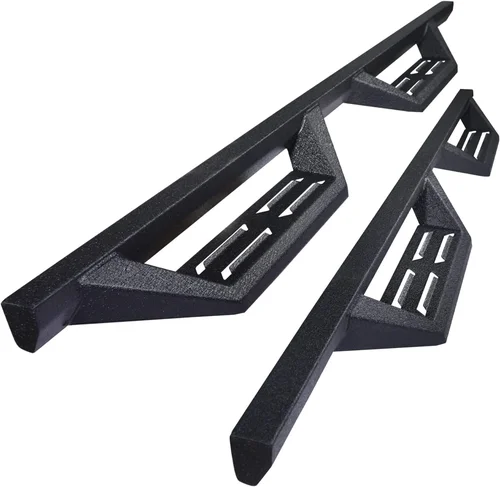
Running boards aren’t just functional—they’re a design statement. They can enhance your SUV’s appearance by adding a sleek, finished look or a rugged, off-road vibe. Consider how the board complements your vehicle’s overall styling. For modern SUVs with clean lines, a low-profile, black-powder-coated aluminum step blends in seamlessly. For trucks or lifted SUVs, a wider, textured steel nerf bar with aggressive tread can emphasize toughness.
Color and finish matter too. Matte black is a popular choice for its versatility and resistance to fading. Chrome or polished finishes offer a premium look but require more maintenance to prevent tarnishing. Some brands offer custom color matching or two-tone designs. Also consider the board’s profile: full-length boards run the entire length of the cab and offer maximum step coverage, while cab-length or wheel-to-wheel designs stop at the rear door. Choose based on your aesthetic preference and how much of the rocker panel you want to cover.
6. Functionality & Additional Features
Beyond basic stepping, modern running boards come with a range of features that enhance usability and safety. LED lighting is a standout addition—many models include built-in lights that illuminate the step area when the doors are opened, improving visibility at night. This is especially useful in poorly lit driveways or parking lots. Some high-end boards even sync with your vehicle’s interior lights or key fob.
Automatic or power-deployable steps are another premium feature. These retract when the doors are closed and extend when opened, reducing wind resistance and ground clearance loss. They’re ideal for lifted vehicles or those who want a clean look when not in use. Other features include mud flaps, rock sliders (for off-road protection), and integrated storage compartments. While these extras add cost, they can significantly improve the board’s value and performance in specific scenarios.
7. Brand Reputation & Customer Support
Not all running board brands are created equal. Established names like AMP Research, Westin, Go Rhino, and WeatherTech have built reputations for quality, innovation, and customer service. These companies often invest in rigorous testing, offer comprehensive warranties, and provide responsive support. In contrast, lesser-known or generic brands may cut corners on materials or customer care.
Research customer reviews on trusted platforms like Amazon, CarID, or forums like Reddit’s r/SUVs. Look for consistent feedback about fitment, durability, and ease of installation. A brand with a strong track record is more likely to honor warranty claims and provide replacement parts if needed. Also check if the company offers live chat, phone support, or detailed installation videos—these resources can be lifesavers during setup.
8. Warranty & Return Policy
A solid warranty is a strong indicator of a manufacturer’s confidence in their product. Most reputable brands offer at least a 1- to 3-year limited warranty covering defects in materials and workmanship. Premium brands like AMP Research often provide 5-year or lifetime warranties. Read the fine print: some warranties exclude damage from off-road use, improper installation, or environmental factors like salt corrosion.
Return policies are equally important. Look for retailers or manufacturers that offer a 30- to 60-day return window, especially if you’re buying online. This gives you time to test the fit and function before committing. Some companies even offer free return shipping, which can save you money if the product doesn’t meet expectations. Always keep your receipt and packaging until you’re fully satisfied.
Different Types of Buying Guide

Common Buying Mistakes to Avoid
❌ Mistake: Ignoring Vehicle-Specific Fitment
Why it’s bad: Buying a universal or “one-size-fits-all” running board can result in poor alignment, gaps between the board and rocker panel, or even damage during installation. This not only looks unprofessional but can also compromise safety.
What to do instead: Always use the manufacturer’s fitment tool or consult your vehicle’s VIN to confirm compatibility. If in doubt, contact customer support before purchasing.
❌ Mistake: Prioritizing Price Over Quality
Why it’s bad: Cheap running boards often use thin materials, weak brackets, or poor finishes that rust or bend quickly. You may end up replacing them within a year, costing more in the long run.
What to do instead: Invest in a mid-range or premium board from a reputable brand. Look for thicker gauge steel or aluminum, reinforced mounting points, and a durable powder coat.
❌ Mistake: Overlooking Weight Capacity
Why it’s bad: Exceeding the load rating can cause the board to fail unexpectedly, especially when stepping off while the vehicle is moving. This poses a serious fall risk.
What to do instead: Check the load rating and choose a board rated for at least 500 pounds if you frequently carry heavy passengers or gear.
❌ Mistake: Skipping the Installation Manual
Why it’s bad: Rushing through installation without reading the instructions can lead to incorrect torque settings, misaligned brackets, or electrical issues (for powered steps).
What to do instead: Take time to review the manual, lay out all parts, and follow each step carefully. If unsure, hire a professional installer.
❌ Mistake: Forgetting About Maintenance
Why it’s bad: Neglecting to clean and inspect your running board can lead to corrosion, loose bolts, or worn treads—reducing lifespan and safety.
What to do instead: Clean the board regularly, especially in winter months with salt exposure. Tighten bolts periodically and touch up any scratches in the finish.
❌ Mistake: Choosing Style Over Function
Why it’s bad: A sleek, low-profile board may look great but offer minimal step height or grip, making it difficult for children or elderly users.
What to do instead: Balance aesthetics with practicality. Choose a board that provides a comfortable step height (6–8 inches from the ground) and a non-slip surface.
❌ Mistake: Not Checking Warranty Coverage
Why it’s bad: If the board fails due to a defect, a weak warranty may leave you paying for repairs or replacement out of pocket.
What to do instead: Always verify the warranty length and terms before buying. Opt for brands with at least a 3-year warranty and clear coverage details.
Budget Guidelines: How Much Should You Spend?
Entry-Level ($100 – $250): These are typically basic fixed running boards made from aluminum or composite materials. They’re suitable for light-duty use and short-term needs. Expect simpler designs, minimal features, and shorter warranties. Brands like Tyger Auto and Blackhorse Off Road offer decent options in this range, but inspect closely for build quality.
Mid-Range ($250 – $600): This is the sweet spot for most SUV owners. You’ll find well-built aluminum or steel boards with better finishes, stronger brackets, and improved load ratings. Many include LED lighting and textured treads. Brands like Westin, Go Rhino, and Raptor Series dominate this category with reliable, stylish options that balance cost and performance.
Premium ($600 – $1,200): Premium boards offer advanced features like automatic deployment, integrated rock sliders, or custom finishes. They’re built for durability and often come with lifetime warranties. Ideal for lifted SUVs, off-roaders, or those who want a factory-like appearance. AMP Research’s PowerStep and Rock Rails are standout examples.
Luxury ($1,200+): At this tier, you’re paying for cutting-edge technology, bespoke design, and top-tier materials. These are often OEM-level or custom-fabricated boards with seamless integration, smart sensors, and premium aesthetics. Best for luxury SUV owners or enthusiasts who demand the absolute best.
Expert Tips for Getting the Best Deal
- Shop During Seasonal Sales: Look for discounts during Black Friday, Memorial Day, or end-of-year clearance events. Many retailers offer 15–30% off running boards during these periods. Consider checking out the Top 5 Luxury SUVs of 2024 for inspiration.
- Buy Direct from Manufacturers: Brands like AMP Research and Westin often run exclusive promotions on their websites, including free shipping or bundled accessories.
- Compare Retailers: Check prices on Amazon, CarID, 4WheelParts, and local auto shops. Use price-tracking tools like Honey or CamelCamelCamel to spot deals.
- Consider Refurbished or Open-Box: Some retailers sell returned or lightly used boards at a discount. These are often in excellent condition and come with full warranties.
- Bundle with Other Accessories: Purchasing running boards with mud flaps, splash guards, or floor mats can unlock package discounts.
- Read Return Policies Carefully: Ensure you can return the product if it doesn’t fit or meet expectations. Avoid retailers with restocking fees or short return windows.
- Test Fit Before Finalizing: If buying in-store, ask if you can test the board on your vehicle. For online purchases, check if the seller offers a fitment guarantee.
- Join Owner Forums: Communities like Tacoma World or Jeep Forum often share exclusive discount codes or group buy opportunities.

Frequently Asked Questions
Q: Can I install running boards myself?
A: Yes, most bolt-on running boards can be installed at home with basic tools. However, powered steps or complex kits may require electrical knowledge or professional help. Always follow the manufacturer’s instructions.
Q: Will running boards affect my SUV’s ground clearance?
A: Fixed boards reduce ground clearance slightly, typically by 1–2 inches. Power steps retract when not in use, minimizing this impact. For off-roading, consider rock sliders or removable options.
Q: Do running boards void my vehicle’s warranty?
A: No, installing aftermarket running boards does not void your factory warranty, as long as they’re installed correctly and don’t cause damage. The Magnuson-Moss Warranty Act protects consumers in the U.S.
Q: Are running boards legal in all states?
A: Yes, running boards are legal in all 50 states as long as they don’t extend beyond the vehicle’s width or obstruct lighting. Check local regulations for specific requirements.
Q: How do I clean and maintain my running boards?
A: Wash regularly with soap and water. For aluminum or steel, use a non-abrasive cleaner and apply a protectant wax. Inspect bolts and treads monthly, especially in winter.
Q: Can I add running boards to a lifted SUV?
A: Yes, but you’ll need extended or adjustable brackets. Some brands offer lift-specific kits. Power steps are ideal for lifted vehicles due to their retractable design.
Q: Do running boards improve fuel economy?
A: Fixed boards can slightly increase aerodynamic drag, potentially reducing fuel efficiency by 1–2%. Power steps minimize this by retracting when not in use. For more on SUV efficiency, see our evaluation guide.
Q: What’s the difference between running boards and nerf bars?
A: Running boards are typically wider, lower, and designed for comfort and style. Nerf bars are narrower, higher, and built for durability and off-road use.
Q: Can I paint my running boards?
A: Yes, but only if they’re made of metal. Use high-temperature spray paint and a primer for best results. Avoid painting composite materials.
Q: How long do running boards last?
A: With proper care, quality running boards can last 5–10 years or more. Aluminum and powder-coated steel offer the best longevity.
Our Final Recommendations
Best for Budget-Conscious Buyers: Tyger Auto TG-RS8B80148 – A durable, no-frills aluminum board under $200. Great for daily use and easy DIY installation.
Best Overall Value: Westin 46-23155 HDX Step Bars – Mid-range pricing with steel construction, textured tread, and a 5-year warranty. Perfect balance of strength and affordability.
Best Premium Option: AMP Research PowerStep – The gold standard in automatic running boards. Retracts when not in use, includes LED lighting, and offers a lifetime warranty. Ideal for luxury SUVs.
Best for Beginners: Go Rhino 66000T – Simple bolt-on design, clear instructions, and excellent customer support. Great first upgrade for new SUV owners.
Best for Advanced Users: Rock Hard 4×4 Rock Sliders – Built for extreme off-roading, these double as steps and rocker protection. Requires welding or professional install.
Conclusion: Making the Right Choice
Choosing the right SUV running board isn’t just about convenience—it’s about safety, style, and long-term value. By considering factors like vehicle compatibility, material quality, weight capacity, and installation ease, you can find a solution that enhances your driving experience without breaking the bank. Whether you’re a weekend warrior, a busy parent, or a luxury SUV owner, there’s a running board designed for your lifestyle.
Don’t rush the decision. Take time to research, read reviews, and compare options. Remember, the cheapest option isn’t always the best, and the most expensive isn’t always necessary. Prioritize your needs: if you live in a snowy climate, focus on corrosion resistance; if you off-road, invest in durability. And always check the warranty—your peace of mind is worth it.
With the insights from this guide, you’re now equipped to make a confident, informed purchase. Your SUV deserves the best—don’t settle for less. Upgrade your ride today and enjoy easier access, added protection, and a touch of style every time you step inside.