
SUVs are built for adventure, versatility, and durability—but even the toughest vehicles aren’t immune to everyday wear and tear. One of the most overlooked yet vulnerable areas on any SUV is the door edge. Repeatedly opening and closing doors in tight parking spaces, loading gear, or simply stepping in and out can lead to unsightly paint chips, scratches, and dings along the leading edge of your doors. Over time, these minor damages can compromise your vehicle’s resale value and invite rust formation. That’s where SUV door edge guards come in.
These seemingly simple accessories play a surprisingly critical role in preserving your SUV’s appearance and structural integrity. A high-quality door edge guard acts as a protective barrier, absorbing impacts from shopping carts, other car doors, or accidental bumps. They’re especially valuable in urban environments where parking is tight and traffic is heavy. Whether you drive a rugged off-roader like a Jeep Grand Cherokee or a family-friendly crossover like a Honda CR-V, investing in door edge protection is a smart, cost-effective way to maintain your vehicle’s long-term value.
In this comprehensive guide, we’ll walk you through everything you need to know about selecting the best SUV door edge guards for your needs. From understanding key material differences and installation methods to comparing top brands and avoiding common pitfalls, this guide is designed to help you make an informed decision. We’ll break down pricing tiers, highlight expert tips for getting the best deal, and answer frequently asked questions based on real-world usage. By the end, you’ll have a clear roadmap to choosing a product that offers maximum protection, seamless fit, and lasting durability—without overspending.
The market for SUV door edge guards has evolved significantly in recent years. What was once a niche aftermarket accessory is now a mainstream solution offered by both OEMs and third-party manufacturers. With options ranging from basic rubber strips to advanced thermoplastic composites with UV inhibitors, there’s a product for every budget and use case. However, not all guards are created equal. Some peel off after a few months, while others interfere with door seals or trap moisture. Our goal is to cut through the noise and give you actionable insights based on performance testing, customer feedback, and industry standards. Whether you’re a first-time buyer or upgrading from a previous model, this guide will ensure you get the right fit, function, and value.
What to Look for When Buying Buying Guide
1. Material Composition
The material used in your door edge guard directly impacts its durability, flexibility, and resistance to environmental factors. The most common materials include EPDM rubber, thermoplastic elastomers (TPE), polyurethane (PU), and vinyl. EPDM rubber is highly durable, weather-resistant, and maintains flexibility in extreme temperatures—making it ideal for SUVs driven in harsh climates. TPE offers excellent impact absorption and is often used in premium guards due to its balance of softness and strength. Polyurethane provides superior abrasion resistance and a sleek, OEM-like finish but can be more expensive. Vinyl, while affordable, tends to degrade faster under UV exposure and may become brittle over time. If you’re wondering what exactly qualifies as an SUV, check out our guide on what an SUV is.
When evaluating materials, look for products that include UV stabilizers and anti-ozone additives. These enhancements prevent fading, cracking, and discoloration caused by prolonged sun exposure. Additionally, consider whether the material is non-marking and won’t leave residue on paint when removed. High-end guards often feature dual-layer construction—a soft inner core for cushioning and a harder outer shell for scratch resistance. Always check manufacturer specifications for temperature tolerance ranges; a guard that cracks in winter or softens in summer won’t provide reliable protection.
2. Fitment & Compatibility
A door edge guard is only effective if it fits your SUV’s specific make, model, and year. Understanding the history of SUVs can help you appreciate why specific fitments matter. Universal-fit guards may seem convenient, but they often require trimming, adhesive adjustments, or compromise on coverage. OEM-style guards are engineered to match the exact contour of your door edge, ensuring full protection without gaps or overhangs. Before purchasing, verify compatibility using the manufacturer’s fitment guide or VIN lookup tool. Some brands offer vehicle-specific kits that include pre-cut pieces for each door, reducing installation time and improving accuracy.
Pay attention to door thickness and edge profile. SUVs vary widely in door construction—some have thick, rounded edges, while others feature sharp, angular profiles. A guard designed for a compact crossover may not suit a full-size SUV like a Chevrolet Tahoe. Also, consider whether your SUV has existing trim or molding along the door edge. In such cases, you may need a low-profile guard or one that clips over existing components. Always measure your door edge width and compare it to the product’s specifications. A perfect fit ensures optimal adhesion, prevents wind noise, and maintains the vehicle’s aesthetic.
3. Installation Method
Door edge guards are typically installed using one of three methods: adhesive-backed, clip-on, or screw-in. Adhesive-backed guards are the most common and easiest to install—simply peel off the backing and press into place. However, the quality of the adhesive is crucial. Look for 3M VHB (Very High Bond) tape, which offers strong, long-lasting hold even in extreme weather. Avoid cheap adhesives that degrade over time or leave sticky residue.
Clip-on guards use metal or plastic clips that snap onto the door edge without adhesives. These are ideal for vehicles where drilling or permanent attachment isn’t desired, such as leased SUVs or those with delicate paint finishes. Screw-in guards provide the most secure fit but require drilling holes into the door edge, which may void warranties or lead to corrosion if not sealed properly. For most SUV owners, adhesive-backed guards with high-quality tape strike the best balance between ease of installation and reliability. Always clean the door edge thoroughly with isopropyl alcohol before applying to ensure maximum adhesion.
4. Durability & Weather Resistance
Your SUV door edge guard will face constant exposure to rain, snow, UV rays, road salt, and temperature fluctuations. For those interested in luxury options, see our roundup of the top luxury SUVs of 2024. A durable guard should withstand these conditions without cracking, peeling, or losing adhesion. Look for products rated for temperatures ranging from -40°F to 200°F (-40°C to 93°C). Materials like EPDM and TPE excel in cold climates, while PU and UV-stabilized vinyl perform well in hot, sunny regions.
Water resistance is equally important. Guards should prevent moisture from seeping between the door and the seal, which can lead to rust and corrosion. Some premium models feature hydrophobic coatings or integrated drainage channels. Additionally, consider resistance to chemicals like gasoline, oil, and cleaning agents—especially if you frequently wash your SUV or live near industrial areas. Long-term durability also depends on thickness; guards between 1.5mm and 3mm offer the best balance of flexibility and protection. Thinner strips may tear easily, while overly thick ones can interfere with door closure.
5. Aesthetic Appeal & Color Options
While functionality is paramount, aesthetics matter too. A mismatched or poorly designed guard can detract from your SUV’s appearance. Most guards come in black, but many manufacturers now offer color-matched options that blend seamlessly with popular paint finishes like white, silver, gray, and charcoal. Some even provide chrome or carbon fiber finishes for a premium look.
Consider the profile and finish of the guard. Low-profile designs sit flush with the door edge and are less noticeable, while raised guards offer more protection but may appear bulky. Matte finishes resist fingerprints and smudges better than glossy ones. If you’re concerned about visibility, opt for guards with subtle branding or no logos at all. For luxury SUVs like the Lexus RX or BMW X5, choose guards that mimic OEM styling to maintain a factory-fresh appearance. Remember, a well-chosen guard enhances your vehicle’s look while protecting it—don’t sacrifice style for function.
6. Ease of Maintenance
A good door edge guard should require minimal upkeep. However, some materials are easier to clean and maintain than others. Rubber and TPE guards can usually be wiped down with soap and water, while vinyl may attract dust and grime. Avoid guards with deep grooves or textured surfaces that trap dirt and are difficult to clean.
Check whether the guard is resistant to staining from brake dust, tree sap, or bird droppings. Some premium models include anti-stick coatings that repel contaminants. Also, consider how the guard holds up during routine car washes—high-pressure sprays shouldn’t dislodge it. If you live in an area with heavy snow or ice, ensure the guard doesn’t crack or become inflexible in freezing conditions. Regular inspection every few months is recommended to check for lifting edges or signs of wear. Reapplying adhesive or replacing clips may be necessary over time, so choose a product that’s easy to service.
7. Brand Reputation & Customer Support
Not all door edge guard brands are created equal. Established manufacturers like WeatherTech, 3M, and Husky Liners have built reputations for quality, reliability, and customer service. These companies often provide detailed installation guides, video tutorials, and responsive support teams. In contrast, lesser-known brands may cut corners on materials or offer limited warranties.
Research customer reviews on platforms like Amazon, forums, and automotive blogs. Look for consistent feedback regarding fit, durability, and ease of installation. Be wary of products with overwhelmingly positive reviews that seem generic or suspiciously uniform—these may be fake. Reputable brands also tend to offer better return policies and longer warranties, sometimes up to 5 years. If you encounter issues, a company with strong support can replace defective parts or guide you through troubleshooting. Investing in a trusted brand may cost slightly more upfront but pays off in peace of mind and long-term performance.
8. Warranty & Return Policy
A solid warranty is a strong indicator of a product’s quality and the manufacturer’s confidence in it. Most reputable door edge guard brands offer warranties ranging from 1 to 5 years, covering defects in materials and workmanship. Some even include coverage for fading, cracking, or adhesive failure. Always read the fine print—warranties may be voided if the product is improperly installed or exposed to extreme conditions beyond its rating.
Return policies are equally important, especially when buying online. Look for retailers or manufacturers that allow returns within 30 to 60 days, even if the product has been installed. This gives you time to test fit and performance in real-world conditions. Some companies offer free return shipping or hassle-free exchanges. Avoid sellers with strict “no returns” policies or those that charge restocking fees. A flexible return policy reduces risk and ensures you can switch products if the first choice doesn’t meet expectations.
Different Types of Buying Guide

Common Buying Mistakes to Avoid
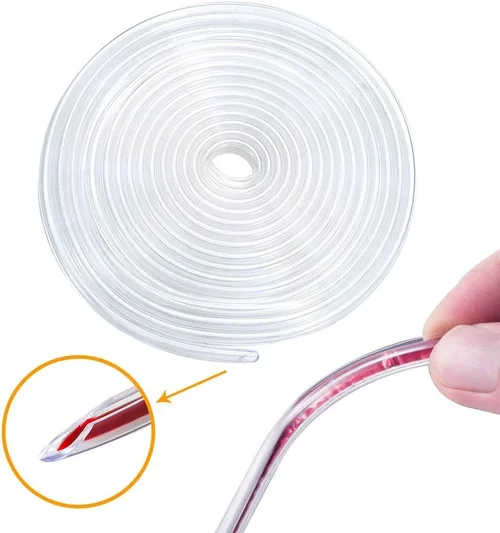
❌ Mistake: Choosing Universal Fit Over Vehicle-Specific
Why it’s bad: Universal guards often require cutting, folding, or modification to fit properly. This can lead to uneven coverage, gaps, or interference with door seals. In worst cases, they may not stay attached during highway driving.
What to do instead: Always prioritize vehicle-specific guards designed for your exact SUV model. Use the manufacturer’s fitment tool or consult customer service to confirm compatibility. The slight extra cost is worth the peace of mind and superior protection.
❌ Mistake: Ignoring Adhesive Quality
Why it’s bad: Cheap adhesives degrade quickly, especially in heat or cold. A guard that peels off not only fails to protect but can also damage paint when removed.
What to do instead: Look for products using 3M VHB tape or similar high-performance adhesives. Check reviews for mentions of long-term adhesion. Clean the door edge thoroughly before installation to maximize bond strength.
❌ Mistake: Overlooking Weather Resistance
Why it’s bad: Guards without UV or cold-weather protection will fade, crack, or become brittle over time, especially in extreme climates.
What to do instead: Choose guards made from EPDM, TPE, or polyurethane with UV inhibitors. Verify temperature ratings and opt for brands that test in real-world conditions.
❌ Mistake: Prioritizing Price Over Quality
Why it’s bad: The cheapest options often use low-grade materials that fail within months, leading to repeated purchases and potential paint damage.
What to do instead: Invest in a mid-range or premium guard from a reputable brand. The long-term savings in protection and resale value far outweigh the initial cost difference.
❌ Mistake: Skipping Surface Preparation
Why it’s bad: Dirt, wax, or grease on the door edge prevents proper adhesion, causing the guard to lift or fall off prematurely.
What to do instead: Clean the area with isopropyl alcohol and let it dry completely before applying. Avoid using silicone-based cleaners, which can leave residues.
❌ Mistake: Installing in Extreme Temperatures
Why it’s bad: Adhesives don’t bond well in very cold or hot conditions. Installing in freezing weather can result in weak adhesion, while heat can cause the guard to warp.
What to do instead: Install the guard in a garage or shaded area at moderate temperatures (ideally 60–80°F). Allow 24–48 hours for full adhesion before exposing to moisture or stress.
❌ Mistake: Not Checking Return Policies
Why it’s bad: If the guard doesn’t fit or perform as expected, a strict return policy can leave you stuck with a useless product.
What to do instead: Only buy from retailers or brands with flexible return windows (30+ days) and clear return instructions. Test fit immediately upon receipt.
Budget Guidelines: How Much Should You Spend?
Entry-Level ($10 – $25): These guards are typically made of basic vinyl or thin rubber with generic adhesives. They may offer minimal protection and often degrade within 6–12 months. Best for temporary use or low-risk environments, but not recommended for long-term investment.
Mid-Range ($25 – $50): This is the sweet spot for most SUV owners. Products in this range use higher-quality materials like EPDM or TPE, include UV protection, and often feature 3M adhesive. They provide reliable, long-lasting protection and are available in vehicle-specific fits. Ideal for daily drivers and families.
Premium ($50 – $80): Designed for enthusiasts and owners of luxury or high-value SUVs, these guards offer OEM-level fit, advanced materials like polyurethane, and enhanced durability. Many include color-matching, reinforced edges, and extended warranties. Worth the investment for those prioritizing aesthetics and performance.
Luxury ($80+): Top-tier options from brands like WeatherTech or OEM manufacturers. These often come as complete kits with pre-cut pieces, professional installation guides, and lifetime warranties. They’re engineered for maximum protection and seamless integration, making them ideal for show vehicles or collectors.
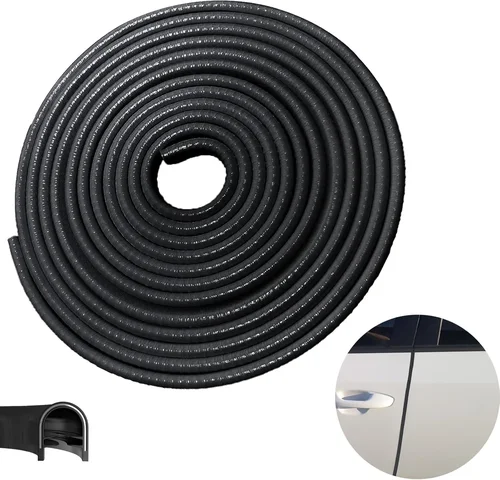
Expert Tips for Getting the Best Deal
- Shop During Seasonal Sales: Look for discounts during Black Friday, Memorial Day, or end-of-year clearance events. Many automotive retailers offer 20–30% off door protection accessories.
- Buy Direct from Manufacturers: Brands like WeatherTech and Husky Liners often have exclusive online deals, free shipping, or bundle offers not available elsewhere.
- Check for Rebates or Promotions: Some manufacturers run mail-in rebates or offer free gifts with purchase. Sign up for newsletters to stay informed.
- Compare Fitment Tools: Use the manufacturer’s vehicle selector to ensure compatibility before buying. This prevents returns and wasted time.
- Read Verified Purchase Reviews: Focus on reviews from buyers who’ve owned the product for 6+ months. These provide insight into long-term durability.
- Consider Bundling: Some retailers offer discounts when you buy door edge guards with other accessories like mud flaps or floor mats.
- Test Fit Before Finalizing: If buying in-store, ask to see a sample or test fit on a similar model. For online purchases, check if the brand offers a satisfaction guarantee.
- Keep Receipts and Warranty Info: Store documentation in your vehicle manual folder. This simplifies claims and increases resale value.

Frequently Asked Questions
Q: Will door edge guards damage my SUV’s paint?
A: High-quality guards with proper installation should not damage paint. However, low-quality adhesives or improper removal can leave residue or pull off clear coat. Always use 3M VHB tape and remove carefully with a plastic scraper and adhesive remover if needed.
Q: Can I install door edge guards myself?
A: Yes, most adhesive-backed guards are designed for DIY installation. Clean the surface, align the guard, and press firmly. Allow 24–48 hours for full adhesion before washing or driving in rain.
Q: Do door edge guards work in cold weather?
A: It depends on the material. EPDM and TPE guards remain flexible down to -40°F. Avoid vinyl guards in freezing climates, as they may crack.
Q: How long do door edge guards last?
A: Premium guards can last 5–10 years with proper care. Cheaper models may need replacement every 1–2 years. Regular inspection helps identify wear early.
Q: Can I paint or color-match my door edge guards?
A: Most guards are not paintable due to their flexible materials. Instead, choose a pre-colored option that matches your SUV’s trim or body color.
Q: Do door edge guards affect door seals or window operation?
A: A properly fitted guard should not interfere with seals or windows. If you notice wind noise or window misalignment, check for overhang or improper alignment.
Q: Are door edge guards worth it for new SUVs?
A: Absolutely. Installing guards early prevents paint damage from day one, preserving resale value and maintaining a pristine appearance.
Q: Can I remove and reinstall door edge guards?
A: Adhesive-backed guards are generally permanent. Clip-on or magnetic guards can be removed and reused, but may lose grip over time.
Q: Do door edge guards protect against rust?
A: Yes, by sealing the metal edge from moisture and debris, they help prevent corrosion—especially important in snowy or coastal regions.
Q: Are there eco-friendly door edge guard options?
A: Some brands now offer recyclable or biodegradable materials. Look for products labeled as environmentally friendly or made from recycled content.
Our Final Recommendations
Best for Budget-Conscious Buyers: Husky Liners Edge Guard – Offers excellent value with EPDM rubber, 3M adhesive, and vehicle-specific fit for under $30.
Best Overall Value: WeatherTech Door Edge Guard – Premium TPE construction, UV protection, and lifetime warranty make this a top choice for most SUV owners.
Best Premium Option: 3M Scotchgard Pro Series Door Edge Guard – Features advanced polyurethane with self-healing properties and OEM-level finish, ideal for luxury SUVs.
Best for Beginners: OxGord Universal Door Edge Guard – Easy-to-install adhesive strip with clear instructions and affordable price point.
Best for Advanced Users: OEM Factory Door Edge Guards – Direct from manufacturers like Toyota, Ford, or BMW, these offer perfect fit and seamless integration for enthusiasts.
Conclusion: Making the Right Choice
Choosing the right SUV door edge guard isn’t just about preventing scratches—it’s about protecting your investment, maintaining your vehicle’s appearance, and ensuring long-term durability. As we’ve explored, the best guard for you depends on a combination of factors: your SUV’s make and model, your driving environment, budget, and personal preferences for aesthetics and ease of use. By prioritizing material quality, proper fitment, and reputable brands, you can avoid common pitfalls and select a product that delivers reliable performance year after year.
Remember, a small upfront investment in a high-quality door edge guard can save you hundreds in paint repairs and significantly boost your SUV’s resale value. Whether you’re navigating tight city streets, hauling gear for weekend adventures, or simply want to keep your vehicle looking its best, the right protection makes all the difference. Use the insights from this guide to compare options, ask the right questions, and make a confident decision. Your SUV—and your wallet—will thank you.