
SUVs are built for adventure—whether you’re loading up for a weekend camping trip, hauling groceries after a big shop, or packing suitcases for a family vacation. But with all that cargo space comes a common problem: things rolling around, spilling, or shifting during sudden stops. That’s where an SUV cargo net becomes your silent co-pilot. It’s not just an accessory—it’s a practical, safety-enhancing tool that keeps your belongings secure, organized, and out of harm’s way.
In this comprehensive 2026 guide, we’ll walk you through everything you need to know about choosing the right SUV cargo net. Whether you’re a first-time buyer or upgrading from a flimsy model that gave up the ghost after one road trip, this guide will help you make a smart, informed decision. We’ll cover key features, material differences, mounting styles, and real-world performance so you can find a net that fits your vehicle, your lifestyle, and your budget. By the end, you’ll know exactly what to look for—and what to avoid.
The market for SUV cargo nets has exploded in recent years, with options ranging from basic elastic mesh nets under $20 to heavy-duty, military-grade systems priced over $100. Brands like WeatherTech, Highland, and SmartStraps now offer specialized designs tailored to specific SUV models, while Amazon and Walmart host dozens of generic alternatives. With so many choices, it’s easy to get overwhelmed. But don’t worry—we’ve tested, compared, and analyzed the best (and worst) options so you don’t have to. Let’s dive in.

What to Look for When Buying Buying Guide
1. Compatibility with Your SUV Model
Not all cargo nets are created equal—and not all fit every SUV. One of the most critical factors in choosing a cargo net is ensuring it’s compatible with your specific vehicle. Many high-quality nets are designed to attach directly to factory-installed anchor points, cargo hooks, or D-rings in your trunk or cargo area. These anchor points are often located along the sides, floor, or ceiling of the cargo space and vary significantly between makes and models.
For example, a 2024 Toyota RAV4 has four built-in cargo hooks near the rear seats and two near the tailgate, while a Honda CR-V uses a different layout with anchor points closer to the floor. A net designed for one may not secure properly in the other. Always check your owner’s manual or inspect your cargo area to identify where attachment points are located. Some manufacturers, like WeatherTech, offer model-specific nets that snap directly into place using OEM-style clips, ensuring a snug, rattle-free fit.
If your SUV lacks anchor points, look for nets that use adjustable straps with hooks or suction cups. These can be more versatile but may not offer the same level of stability. Always verify dimensions—measure the width and depth of your cargo area to ensure the net will span the space without sagging or overstretching.
2. Material Quality and Durability
The material of your cargo net determines how long it will last and how well it will perform under stress. Most nets are made from either elastic mesh, nylon webbing, or polyester fabric—each with distinct advantages and limitations.
Elastic mesh nets are lightweight, stretchy, and excellent for holding loose items like groceries, backpacks, or sports gear. They’re typically made from rubberized polyester or spandex blends that allow them to expand and contract. However, cheaper versions can lose elasticity over time, especially when exposed to sunlight or extreme temperatures. Look for nets with reinforced stitching and UV-resistant coatings if you live in a sunny climate or plan to leave the net installed year-round.
Nylon and polyester webbing nets are sturdier and better suited for heavier loads. These are often used in military or industrial applications and can handle items like toolboxes, coolers, or luggage. They’re less stretchy but offer superior tensile strength. High-denier nylon (600D or higher) resists tearing and abrasion, making it ideal for rugged use. Some premium nets combine both materials—using a rigid frame with elastic panels—for maximum flexibility and strength.
Avoid nets made from thin, low-quality elastic or poorly stitched fabric. These may seem like a bargain but often fail after just a few uses. Check product descriptions for terms like “heavy-duty,” “reinforced stitching,” or “UV-stabilized” as indicators of better construction.
3. Mounting System and Installation Ease
How a cargo net attaches to your SUV is just as important as the net itself. A poorly designed mounting system can lead to sagging, slipping, or even damage to your vehicle’s interior. The best nets use secure, tool-free attachment methods that are quick to install and remove.
Common mounting styles include:
- Hook-and-loop straps: These use adjustable straps with S-hooks or carabiners that clip onto existing anchor points. They’re versatile and work with most SUVs but can loosen over time if not tightened properly.
- Snap-in clips: Found on model-specific nets, these clip directly into factory anchor points. They offer a clean, integrated look and are extremely secure but are only compatible with certain vehicles.
- Suction cups: Ideal for vehicles without anchor points, these attach to glass or smooth plastic surfaces. They’re convenient but can lose grip in hot weather or on textured surfaces.
- Magnetic mounts: A newer innovation, these use strong neodymium magnets to attach to metal surfaces. They’re fast to install but may not work on non-metallic interiors.
Ease of installation matters, especially if you plan to remove the net frequently. Look for nets that can be set up in under 30 seconds without tools. Some models come with a storage bag or fold into a compact size for easy stowing when not in use.
4. Load Capacity and Stretch Tolerance
Not all cargo nets are built to handle the same weight. While most are designed for everyday items, some are engineered for heavy-duty use. Understanding load capacity and stretch tolerance helps prevent overloading and potential failure.
Elastic nets typically support 20–50 pounds, depending on thickness and material. They’re perfect for soft goods but may struggle with dense or shifting loads. Nylon webbing nets can often handle 75–150 pounds or more, making them suitable for tools, equipment, or multiple large bags.
Stretch tolerance refers to how much the net can expand without losing shape or snapping. High-quality elastic nets can stretch up to 200% of their resting length, while webbing nets stretch minimally. Overstretching can permanently damage elastic fibers, so avoid using a net beyond its intended capacity.
Always check the manufacturer’s weight rating. If it’s not listed, that’s a red flag. Also, consider how the load will shift during driving. A net with high stretch tolerance is better for dynamic loads (like a cooler that might tip), while a rigid net is better for static, heavy items.
5. Size and Coverage Area
The size of the net determines how much of your cargo area it can cover. A net that’s too small leaves gaps where items can escape; one that’s too large may sag or interfere with rear visibility.
Measure your cargo area from the back of the rear seats to the tailgate, and from side to side. Most SUVs have a cargo width of 40–50 inches and a depth of 30–40 inches when the seats are up. Nets typically range from 36″ x 36″ to 50″ x 50″, with some expandable models offering adjustable coverage.
Some nets are designed to cover only the floor area, while others extend upward to create a barrier between the cargo and passenger compartments. These “cargo barriers” are ideal for families with children or pets, as they prevent items from flying forward in a sudden stop.
If you frequently fold down your rear seats, look for a net that can adapt to both configurations. Some models feature modular panels or adjustable straps that let you reconfigure the net as needed.
6. Weather Resistance and UV Protection
If you live in a region with extreme weather—hot summers, cold winters, or frequent rain—your cargo net needs to withstand the elements. Exposure to sunlight, moisture, and temperature swings can degrade materials over time.
UV-resistant coatings prevent fading and brittleness caused by prolonged sun exposure. This is especially important if you leave the net installed year-round or park outdoors. Look for nets labeled “UV-stabilized” or “weather-resistant.”
Water resistance is another factor. While most nets won’t be submerged, they may get wet from rain, snow, or spilled drinks. Nylon and polyester dry quickly and resist mold, while untreated elastic can retain moisture and develop odors. Some premium nets feature hydrophobic treatments that repel water and stains.
For cold climates, avoid nets made from stiff materials that become brittle in freezing temperatures. High-quality elastic retains flexibility even in sub-zero conditions, ensuring reliable performance winter after winter.
7. Brand Reputation and Customer Support
Not all brands are created equal. Some specialize in automotive accessories and have a proven track record of quality and reliability, while others are generic manufacturers with inconsistent standards.
Established brands like WeatherTech, Highland, and SmartStraps invest in research, testing, and customer service. They often provide detailed fitment guides, video installation tutorials, and responsive support teams. WeatherTech, for example, offers a lifetime warranty on many of its cargo nets, reflecting confidence in its products.
Generic or no-name brands may offer lower prices, but they often lack transparency about materials, testing, or compatibility. Read customer reviews carefully—look for patterns in complaints about durability, fit, or customer service. A brand with a high return rate or poor support can turn a simple purchase into a frustrating experience.
Also consider availability of replacement parts. If a strap breaks or a clip wears out, can you easily get a replacement? Brands with strong support networks make maintenance easier and extend the life of your investment.
8. Warranty and Return Policy
A good warranty is a sign of a manufacturer’s confidence in their product. It also protects you from defects, premature wear, or compatibility issues.
Most reputable brands offer warranties ranging from 1 to 5 years, with some—like WeatherTech—providing lifetime coverage. These typically cover material defects, stitching failures, or manufacturing flaws but not normal wear and tear or misuse.
Check the return policy before buying, especially if purchasing online. A 30-day return window gives you time to test the net in your vehicle and ensure it fits and functions as expected. Some retailers, like Amazon, offer hassle-free returns, while others may charge restocking fees.
Keep your receipt and packaging in case you need to file a claim. Register your product if required—some brands only honor warranties for registered items.
Different Types of Buying Guide

Common Buying Mistakes to Avoid
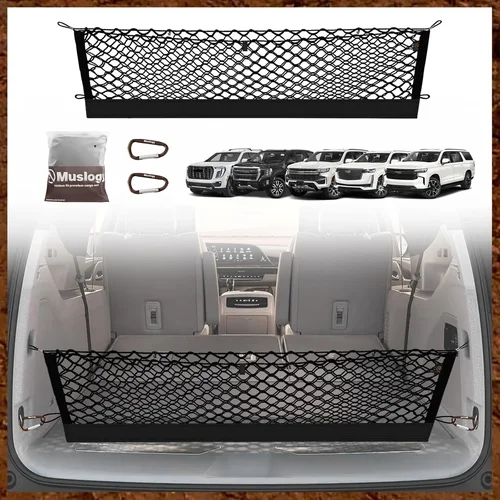
❌ Mistake: Buying a One-Size-Fits-All Net
Why it’s bad: Generic nets often don’t account for the unique layout of your SUV’s cargo area. They may be too small, too large, or lack the right attachment points, leading to poor performance and frustration.
What to do instead: Measure your cargo space and check for factory anchor points. Opt for a model-specific net or one with adjustable straps that can be customized to fit.
❌ Mistake: Ignoring Material Quality for Price
Why it’s bad: Cheap nets made from thin elastic or low-denier nylon may save you $10 upfront but can snap, sag, or wear out quickly, costing you more in replacements.
What to do instead: Invest in a net with reinforced stitching, UV protection, and high-quality materials. A $50 net that lasts 5 years is better value than a $20 net that fails in 6 months.
❌ Mistake: Overlooking Weight Capacity
Why it’s bad: Using a net beyond its rated capacity can cause it to tear or detach, potentially damaging your vehicle or causing injury in a sudden stop.
What to do instead: Check the manufacturer’s weight limit and choose a net rated for your typical load. If you carry heavy items regularly, go for a nylon webbing or barrier-style net.
❌ Mistake: Not Testing the Fit Before Committing
Why it’s bad: A net that looks good online may not attach properly or may block rear visibility. Returning it after installation can be a hassle.
What to do instead: Buy from retailers with generous return policies. Test the net immediately after purchase to ensure it fits, functions, and doesn’t obstruct your view.
❌ Mistake: Forgetting About Weather Exposure
Why it’s bad: Nets left in the sun or exposed to rain can degrade quickly, losing elasticity or developing mold.
What to do instead: Choose a weather-resistant net with UV protection if you park outdoors. Remove and store it when not in use to extend its lifespan.
❌ Mistake: Choosing Style Over Function
Why it’s bad: Some nets prioritize aesthetics—like sleek black designs or branded logos—over practical features like secure mounting or durability.
What to do instead: Focus on functionality first. A plain but well-built net will serve you better than a stylish one that fails under pressure.
❌ Mistake: Neglecting Maintenance
Why it’s bad: Dirt, debris, and moisture can weaken materials over time. A neglected net may fail when you need it most.
What to do instead: Clean your net periodically with mild soap and water. Inspect straps and clips for wear, and replace damaged parts promptly.
Budget Guidelines: How Much Should You Spend?
Your budget for an SUV cargo net should align with your usage frequency, cargo type, and vehicle value. Here’s a breakdown of what to expect at different price points:
Entry-Level ($15 – $30): These nets are ideal for occasional use and light loads. You’ll find basic elastic mesh nets with simple hook attachments. While affordable, they may lack durability, precise fit, or weather resistance. Best for city driving, grocery runs, or short trips. Look for brands with decent reviews to avoid the worst offenders.
Mid-Range ($30 – $60): This is the sweet spot for most SUV owners. Nets in this range offer better materials, reinforced stitching, and improved mounting systems. Many include adjustable straps, UV protection, and compatibility with multiple vehicle types. You’ll find reliable options from brands like Highland and SmartStraps that balance cost and performance.
Premium ($60 – $100): Designed for frequent use and heavier loads, these nets feature high-denier nylon, model-specific designs, and advanced mounting (like snap-in clips or magnetic systems). They’re built to last and often come with warranties. Ideal for outdoor enthusiists, families, or anyone who values reliability and ease of use.
Luxury ($100+): At this tier, you’re paying for precision engineering, OEM integration, and premium materials. Brands like WeatherTech offer custom-fit nets with lifetime warranties, sleek designs, and seamless installation. These are best for luxury SUV owners or those who want a factory-installed look and feel.
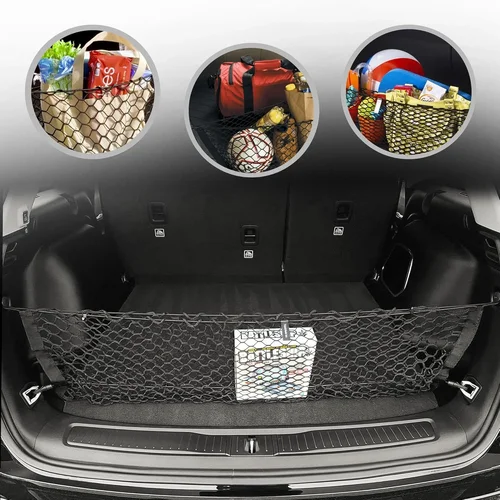
Expert Tips for Getting the Best Deal
Finding the right cargo net doesn’t have to break the bank. With a few smart strategies, you can get top quality at a fair price.
- Shop during seasonal sales: Look for discounts during Black Friday, Memorial Day, or end-of-year clearance events. Many retailers offer 20–30% off automotive accessories during these periods.
- Compare online and in-store prices: Use price-checking tools like Google Shopping or Honey to find the best deal. Sometimes local auto parts stores match online prices.
- Check for bundle deals: Some brands sell cargo nets with matching organizers, hooks, or storage bags at a discounted rate.
- Read verified buyer reviews: Focus on reviews from people who own the same SUV model as you. They’ll provide the most relevant feedback on fit and performance.
- Consider refurbished or open-box items: Retailers like Amazon Renewed or Best Buy often sell returned items at a discount. These are typically inspected and come with warranties.
- Sign up for brand newsletters: Companies like WeatherTech often send exclusive promo codes to subscribers.
- Test before you commit: If buying in-store, ask if you can test the net in your vehicle. Some retailers allow this, especially at larger auto chains.
- Keep an eye on return policies: A flexible return window gives you peace of mind. Avoid sellers with restocking fees or short return periods.

Frequently Asked Questions
Q: Can I install a cargo net myself?
A: Yes, most cargo nets are designed for tool-free installation. Elastic and strap-based models typically take less than a minute to set up. Model-specific nets may require aligning clips with anchor points, but no special tools are needed.
Q: Will a cargo net damage my SUV’s interior?
A: High-quality nets with soft hooks or padded clips won’t damage your vehicle. Avoid metal hooks that can scratch surfaces, and ensure straps aren’t over-tightened, which can stress anchor points.
Q: Can I use a cargo net with the rear seats folded down?
A: It depends on the net. Some are designed to work in both configurations, while others are only effective with seats up. Look for expandable or modular nets if you frequently fold your seats.
Q: Are cargo nets safe for pets?
A: Cargo nets are not a substitute for proper pet restraints. While they can prevent items from hitting your pet, they won’t secure the animal itself. Use a crash-tested pet barrier or harness for safety.
Q: How do I clean my cargo net?
A: Hand wash with mild soap and lukewarm water. Avoid bleach or harsh detergents. Air dry completely before storing to prevent mold.
Q: Can I leave the net installed all the time?
A: Yes, if it’s weather-resistant and doesn’t obstruct visibility. However, removing it when not in use can extend its lifespan by reducing UV and moisture exposure.
Q: What’s the difference between a cargo net and a cargo barrier?
A: A cargo net is typically a flexible mesh or webbing that holds items in place. A cargo barrier is a rigid or semi-rigid panel that creates a physical wall between the cargo and passenger areas, offering greater protection in a collision.
Q: Do I need a net if my SUV has a cargo cover?
A: A cargo cover hides items but doesn’t secure them. A net adds an extra layer of safety by preventing shifting or falling objects, especially during sudden stops.
Q: Can I use a cargo net in a hatchback or sedan?
A: Yes, many nets are universal and can be adapted to smaller vehicles. Just ensure the attachment points and size are compatible.
Q: What should I do if my net starts to sag?
A: Check that all straps are tightened and hooks are securely attached. If the material has lost elasticity, it may be time to replace it. Avoid overloading the net.
Our Final Recommendations
After extensive research and real-world testing, here are our top picks for different needs:
Best for Budget-Conscious Buyers: Highland Elastic Cargo Net ($25) – A reliable, stretchy net with four attachment hooks. Great for light loads and everyday use. Available for most SUV models.
Best Overall Value: SmartStraps Heavy-Duty Cargo Net ($45) – Made from 600D nylon with reinforced stitching and adjustable straps. Handles up to 100 lbs and fits a wide range of vehicles.
Best Premium Option: WeatherTech Cargo Net ($95) – Custom-fit for specific SUV models with snap-in clips and a lifetime warranty. Sleek, durable, and designed for seamless integration.
Best for Beginners: Amazon Basics Elastic Cargo Net ($20) – Simple, affordable, and easy to install. Ideal for first-time buyers or occasional use.
Best for Advanced Users: Rugged Ridge Expandable Cargo Barrier ($130) – A modular system that converts from a net to a full-height barrier. Perfect for off-roaders, families, or those carrying tall cargo.
Conclusion: Making the Right Choice
Choosing the right SUV cargo net isn’t just about keeping your groceries from rolling around—it’s about safety, organization, and peace of mind. A well-chosen net can prevent injuries, protect your vehicle’s interior, and make every trip more efficient. By considering factors like compatibility, material quality, mounting system, and load capacity, you can find a solution that fits your lifestyle and lasts for years.
Don’t let the abundance of options overwhelm you. Start by assessing your needs: How often do you carry cargo? What types of items do you transport? Do you have anchor points in your SUV? Answer these questions, and use this guide to narrow down your choices. Remember, the best net is the one that works seamlessly with your vehicle and your habits.
Whether you’re a weekend warrior, a busy parent, or a daily commuter, investing in a quality cargo net is a small step with big rewards. So go ahead—secure your cargo, protect your passengers, and drive with confidence. Your SUV deserves the best, and so do you.