
[FEATURED_IMAGE_PLACEGOER]
When it comes to protecting your SUV’s interior, few investments are as practical—or as often overlooked—as a set of high-quality all-weather floor mats. Whether you’re navigating muddy trails after a weekend camping trip, trudging through snow and slush during winter commutes, or simply dealing with daily spills and tracked-in debris, your vehicle’s carpeting is constantly under assault. Standard carpet mats may look nice out of the box, but they quickly degrade when exposed to moisture, dirt, salt, and heavy foot traffic. That’s where all-weather floor mats come in: engineered specifically to shield your SUV’s flooring from the elements while maintaining a clean, professional appearance.
This comprehensive buying guide is designed to help you make an informed decision in 2026—a year when the market for automotive accessories continues to evolve with smarter materials, better fitment technology, and increased consumer demand for durability and sustainability. Whether you drive a rugged off-roader like a Jeep Wrangler or a luxury SUV like a Lexus RX, the right floor mats can extend the life of your vehicle’s interior, preserve its resale value, and enhance everyday usability. In this guide, you’ll learn how to evaluate key features such as material composition, custom fitment, ease of cleaning, and long-term durability. We’ll also break down common pitfalls, compare different product categories, and offer expert-backed recommendations tailored to various budgets and lifestyles.
The all-weather floor mat market has expanded significantly over the past decade, driven by rising SUV ownership and growing awareness of interior protection. Today’s options range from budget-friendly universal fits to precision-molded, vehicle-specific liners made from advanced thermoplastic elastomers (TPE) or heavy-duty rubber. Brands like WeatherTech, Husky Liners, Maxliner, and OEM manufacturers now offer products that not only perform exceptionally well but also integrate seamlessly with your SUV’s design. With so many choices available, it’s easy to feel overwhelmed—but by focusing on the right criteria and understanding what truly matters, you can find a set of mats that deliver lasting value and peace of mind.

What to Look for When Buying All-Weather SUV Floor Mats
1. Material Composition
The material your floor mats are made from is arguably the most critical factor in determining their performance and longevity. In 2026, the leading materials include thermoplastic elastomer (TPE), heavy-duty rubber, and recycled composites. TPE is widely regarded as the gold standard because it combines the flexibility of rubber with the moldability of plastic, resulting in mats that are lightweight, odorless, and resistant to cracking, fading, and deformation—even in extreme temperatures. Unlike cheaper vinyl or PVC-based mats, high-quality TPE doesn’t off-gas harmful chemicals or become brittle over time.
Rubber mats, particularly those made from vulcanized or synthetic rubber, offer excellent durability and are ideal for drivers who frequently encounter mud, snow, or sharp debris. However, some lower-grade rubber mats can retain odors or develop a sticky texture in hot climates. Recycled materials are gaining traction among eco-conscious buyers, with brands like EcoGuard using post-consumer plastics to create sustainable yet tough liners. Always check whether the material is BPA-free, phthalate-free, and compliant with automotive safety standards. A mat that feels stiff, emits a strong chemical smell, or warps after minimal use is likely made from subpar materials.
2. Custom Fit vs. Universal Fit
One of the biggest mistakes SUV owners make is opting for universal floor mats that claim to “fit most vehicles.” While these may seem like a cost-effective solution, they often leave gaps around the edges, fail to cover footwell contours, and can shift during driving—creating safety hazards and reducing protection. Custom-fit mats, on the other hand, are digitally scanned and laser-measured to match your specific SUV model year, ensuring full coverage of the footwell, including under the pedals and along the door sills.
In 2026, many manufacturers use 3D scanning technology to create molds that account for seat rails, console protrusions, and even factory-installed carpet padding. This precision fit prevents liquids from seeping underneath and ensures the mats stay securely in place. For example, WeatherTech’s DigitalFit® line uses exact vehicle measurements to produce mats that contour perfectly to your floorpan. If you drive a popular SUV like a Toyota RAV4, Honda CR-V, or Ford Explorer, custom-fit options are widely available. Always verify compatibility with your exact trim level, as differences in seating configuration or optional packages can affect fitment.
3. Coverage Area and Design Features
Not all all-weather mats offer the same level of coverage. Basic sets may only include front and rear driver/passenger mats, leaving the center console area or third-row seating unprotected. For families, pet owners, or frequent road-trippers, extended coverage is essential. Look for full-coverage kits that include rear cargo liners, third-row mats, and even rear-seat footwell protectors. Some premium sets also feature raised sidewalls (often called “spill walls” or “retaining lips”) that channel liquids away from the carpet and prevent overflow during sudden stops.
Additional design elements to consider include anti-slip backing (usually made of nibbed rubber or silicone), integrated heel pads for driver comfort, and seamless construction to minimize dirt traps. Mats with deep grooves or chevron patterns are better at trapping water and mud, while smooth surfaces may be easier to wipe clean but offer less traction. If your SUV has electronic parking brakes, heated seats, or underfloor storage compartments, ensure the mats don’t interfere with these features. Some brands even offer color-matched options to blend with your interior trim.
4. Ease of Cleaning and Maintenance
All-weather mats are meant to get dirty—but they should also be easy to clean. The best mats can be rinsed with a hose, wiped down with a damp cloth, or vacuumed without losing their shape or texture. Avoid mats with porous surfaces or intricate embossing that traps grime and requires scrubbing. Look for non-porous, smooth finishes that repel stains and dry quickly. Many top-tier mats are dishwasher-safe (top rack only), which is a huge time-saver for busy households.
Maintenance also extends to long-term care. Mats that resist UV degradation won’t fade or crack when left in direct sunlight, while those with antimicrobial treatments help prevent mold and mildew in humid climets. If you live in a region with heavy road salt use, choose mats that won’t corrode or degrade when exposed to de-icing chemicals. Some brands include care instructions or recommend periodic treatments to maintain performance. Remember: a mat that’s hard to clean will eventually become neglected, defeating its purpose.
5. Durability and Warranty
Durability isn’t just about surviving a few spills—it’s about holding up under years of daily abuse. High-quality all-weather mats should withstand repeated exposure to moisture, temperature swings, heavy footwear, and sharp objects without tearing, curling, or losing their shape. Check product descriptions for metrics like tensile strength, abrasion resistance, and temperature tolerance (e.g., -40°F to 160°F). Real-world testing by independent reviewers often reveals how mats perform after six months or a year of use.
Warranty is a strong indicator of a manufacturer’s confidence in their product. Leading brands typically offer limited lifetime warranties that cover defects in materials and workmanship. For example, Husky Liners provides a “No Hassle” lifetime guarantee, while WeatherTech offers a 3-year warranty with options to extend. Be wary of brands that only offer 1-year coverage or exclude common issues like warping or discoloration. A robust warranty not only protects your investment but also reflects the company’s commitment to quality.
6. Brand Reputation and Customer Support
With countless options on Amazon, eBay, and auto parts stores, brand reputation matters more than ever. Established names like WeatherTech, Husky Liners, and OEM suppliers (e.g., GM Genuine Parts, Toyota Accessories) have built trust through consistent quality, rigorous testing, and responsive customer service. Reading verified buyer reviews—especially those with photos or long-term usage reports—can reveal insights that specs alone can’t provide.
Customer support is equally important. If a mat arrives damaged, doesn’t fit as advertised, or fails prematurely, you’ll want a company that responds quickly and fairly. Check whether the brand offers live chat, phone support, or easy return processes. Some companies even provide fitment guarantees, allowing you to return mats if they don’t match your vehicle. Avoid obscure brands with no online presence or limited contact information—they may disappear when you need help most.
7. Environmental Impact and Sustainability
As consumers become more environmentally conscious, sustainability is playing a larger role in purchasing decisions. Many modern all-weather mats are now made from recycled materials or are themselves recyclable at end-of-life. For instance, EcoGuard uses 100% post-consumer recycled plastic, while WeatherTech has introduced a take-back program for old mats. Look for certifications like ISO 14001 (environmental management) or labels indicating reduced carbon footprint.
Additionally, consider the lifecycle impact: a durable mat that lasts 10 years creates less waste than replacing cheap mats every two years. Some brands also use eco-friendly packaging and minimize excess materials. While green credentials shouldn’t override performance, they’re a valuable differentiator for buyers who prioritize sustainability without compromising on protection.
8. Price vs. Value Proposition
It’s tempting to go for the cheapest option, but all-weather floor mats are one area where cutting corners can cost you more in the long run. A $30 universal set might save money upfront but could warp, slip, or fail within a year—requiring replacement and potentially damaging your carpet. Conversely, premium mats ($150–$300+) offer superior materials, perfect fit, and decades of reliable service.
Instead of focusing solely on price, evaluate the value proposition: how much protection does this mat provide per dollar spent? Consider factors like included accessories (cargo liners, third-row mats), warranty length, and expected lifespan. For most SUV owners, mid-range options ($80–$150) strike the best balance between affordability and performance. Always compare total cost of ownership, not just the sticker price.
Different Types of All-Weather SUV Floor Mats

Common Buying Mistakes to Avoid
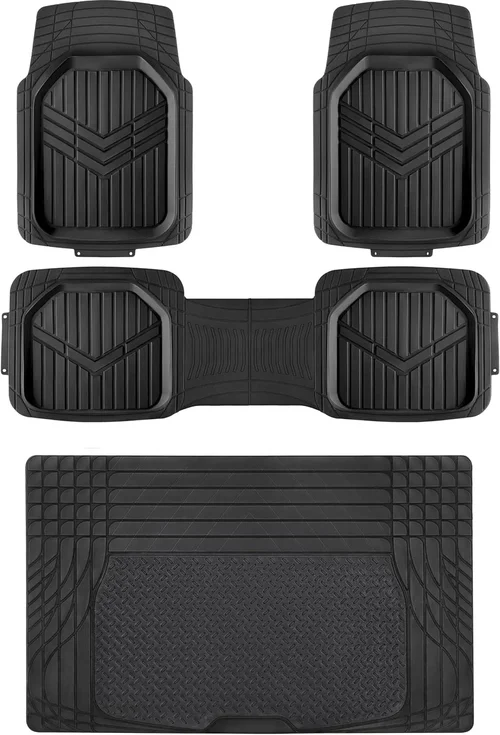
❌ Mistake: Choosing Universal Mats for a New SUV
Why it’s bad: Universal mats rarely provide complete coverage and can slide around, exposing your carpet to spills and wear. They also lack the tailored look of custom-fit options, making your interior appear cheap or unfinished.
What to do instead: Always prioritize vehicle-specific mats. Even if they cost more upfront, the protection and aesthetics are worth it—especially in a newer or leased SUV where resale value matters.
❌ Mistake: Ignoring Third-Row and Cargo Area Protection
Why it’s bad: Many buyers only buy front and rear mats, forgetting that kids, pets, and gear can damage the third row and trunk. Spills in these areas are harder to clean and can lead to mold or odors.
What to do instead: Purchase a full kit that includes third-row and cargo liners. Most reputable brands sell complete sets at a slight discount compared to buying pieces separately.
❌ Mistake: Overlooking Anti-Slip Backing
Why it’s bad: Mats without grippy undersides can shift during hard braking or acceleration, potentially interfering with pedal operation—a serious safety risk.
What to do instead: Ensure the mats have nibbed rubber, silicone dots, or molded anchors that lock into factory retention hooks. Test the fit by pressing down and trying to slide the mat before final installation.
❌ Mistake: Buying Based Solely on Price
Why it’s bad: Cheap mats often use inferior materials that crack, warp, or emit toxic fumes. You’ll end up replacing them sooner, costing more over time.
What to do instead: Focus on value, not price. A $150 set that lasts 10 years is far better than a $40 set that fails in 18 months.
❌ Mistake: Not Checking Compatibility with Trim Level
Why it’s bad: SUVs often have different floor configurations based on seat type, drivetrain, or optional packages. A mat designed for a base model may not fit a premium trim with heated seats or center consoles.
What to do instead: Double-check your exact model year, trim, and options before ordering. Use the manufacturer’s fitment tool or call customer service to confirm.
❌ Mistake: Skipping the Warranty Review
Why it’s bad: Without a solid warranty, you’re on the hook for replacements if the mats degrade prematurely. Some brands exclude common issues like fading or warping.
What to do instead: Read the fine print. Choose brands that offer at least a 3-year warranty with clear coverage terms and easy claim processes.
❌ Mistake: Assuming All “All-Weather” Mats Are Equal
Why it’s bad: The term “all-weather” is unregulated. Some mats are merely water-resistant, while others are fully impermeable and designed for extreme conditions.
What to do instead: Look for detailed specs: material type, temperature range, and real-user reviews mentioning performance in snow, mud, or heavy rain.
Budget Guidelines: How Much Should You Spend?
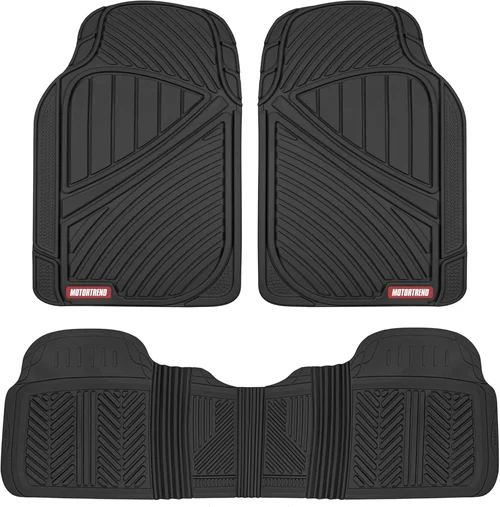
- Entry-Level ($25–$60): These are typically universal vinyl or thin rubber mats. They offer basic spill protection but lack custom fit, durability, and aesthetic appeal. Best for short-term use or older vehicles where interior condition is less critical.
- Mid-Range ($80–$150): This is the sweet spot for most SUV owners. You’ll find custom-fit TPE or rubber mats from reputable brands with good coverage, anti-slip backing, and solid warranties. Examples include Maxliner Core and Husky Liners WeatherBeater.
- Premium ($150–$250): Top-tier custom-fit mats with advanced materials, full coverage (including cargo), raised sidewalls, and lifetime warranties. Ideal for new SUVs, families, or those who demand maximum protection. WeatherTech DigitalFit and OEM sets fall here.
- Luxury ($250+): High-end options with premium finishes, color matching, integrated branding, and sometimes even smart features like embedded sensors. Often sold through dealerships or specialty retailers. Justified only if you prioritize aesthetics and brand alignment.
Expert Tips for Getting the Best Deal
- Buy during off-seasons: Winter mats sell best in fall, so shop in spring for deeper discounts. Conversely, summer sales may offer deals on lighter-duty liners.
- Check manufacturer websites directly: Brands like WeatherTech and Husky often run exclusive promotions, bundle deals, or free shipping that aren’t available on third-party retailers.
- Use price-tracking tools: Set alerts on Google Shopping, CamelCamelCamel (for Amazon), or Honey to notify you when prices drop.
- Consider refurbished or open-box items: Some retailers sell returned mats (often unused) at 30–50% off. Ensure they come with the same warranty as new.
- Read return policies carefully: Fitment issues are common. Choose sellers with hassle-free returns—some even cover return shipping.
- Test before committing: If possible, visit an auto parts store to see samples in person. Feel the material, check thickness, and compare flexibility.
- Bundle with other accessories: Many brands offer discounts when you buy mats, seat covers, and cargo liners together.
- Don’t forget installation: Most all-weather mats require no tools, but ensure they come with clear instructions and retention clips if needed.

Frequently Asked Questions
Q: Do all-weather mats really protect against salt and road chemicals?
A: Yes—high-quality TPE and rubber mats are chemically resistant and won’t degrade when exposed to de-icing salts, antifreeze, or oil. Just rinse them regularly to prevent buildup.
Q: Can I use all-weather mats over factory carpet mats?
A: It’s not recommended. Factory mats can trap moisture underneath, leading to mold. Remove them and install all-weather mats directly on the carpet for best results.
Q: Are all-weather mats safe for use with heated seats?
A: Absolutely. Modern mats are designed to allow heat transfer. Just ensure they don’t cover seat controls or ventilation ports.
Q: How often should I clean my all-weather mats?
A: For daily drivers, a quick wipe or rinse every 2–4 weeks is sufficient. In harsh conditions (snow, mud), clean them weekly to maintain performance.
Q: Will all-weather mats void my vehicle’s warranty?
A: No. Aftermarket floor mats are considered non-invasive accessories and won’t affect your factory warranty, as long as they don’t damage the interior.
Q: Can I cut custom-fit mats to size?
A: Generally, no. Cutting can compromise structural integrity and void the warranty. Always choose the correct model-specific version.
Q: Are there all-weather mats for electric SUVs with unique floor designs?
A: Yes. Brands like WeatherTech now offer mats for EVs like the Tesla Model Y, Ford Mustang Mach-E, and Rivian R1S, accounting for flat floors and battery compartments.
Q: Do all-weather mats reduce resale value?
A: On the contrary—they preserve your carpet, which significantly boosts resale value. Many buyers specifically look for vehicles with protected interiors.
Q: How do I know if a mat is truly “custom-fit”?
A: Look for terms like “digital scan,” “laser-measured,” or “vehicle-specific.” Reputable brands list exact compatible models and years on their product pages.
Q: Can I recycle old floor mats?
A: Some brands offer recycling programs. Check with the manufacturer or local auto recyclers. TPE and rubber are often accepted at specialized facilities.
Our Final Recommendations
- Best for Budget-Conscious Buyers: Maxliner Core – Excellent custom fit, TPE construction, and full coverage at under $120. Great for families needing reliable protection without premium pricing.
- Best Overall Value: Husky Liners WeatherBeater – Durable rubber design, lifetime warranty, and superior traction. Ideal for SUVs used in varied conditions, from city streets to mountain trails.
- Best Premium Option: WeatherTech DigitalFit – The industry benchmark for precision fit, odorless TPE, and comprehensive coverage. Worth the investment for new or luxury SUVs.
- Best for Beginners: OEM Factory Mats – If you drive a mainstream SUV (e.g., Honda, Toyota), factory mats offer seamless integration and peace of mind. Easy to install and perfectly matched.
- Best for Advanced Users (Off-Road/Work Vehicles): Rugged Ridge All-Terrain Mats – Extra-thick rubber, aggressive tread patterns, and reinforced edges. Built for Jeeps, trucks, and SUVs that see serious abuse.
Conclusion: Making the Right Choice
Choosing the right all-weather floor mats for your SUV isn’t just about keeping your car clean—it’s about protecting your investment, enhancing safety, and simplifying maintenance for years to come. As we’ve explored, the key lies in prioritizing custom fit, high-quality materials, comprehensive coverage, and reputable brands. While budget matters, the true cost of a poor choice shows up in faded carpets, slipping mats, and premature replacements.
In 2026, the market offers more intelligent, sustainable, and user-focused options than ever before. Whether you’re a weekend adventurer, a busy parent, or a meticulous car enthusiast, there’s a set of mats designed specifically for your needs. Take the time to assess your driving habits, climate, and vehicle specifics. Read reviews, compare warranties, and don’t hesitate to invest in quality—your SUV’s interior will thank you.
Ultimately, the best floor mats are the ones you’ll never have to think about. They’ll do their job silently, reliably, and without complaint, so you can focus on what really matters: enjoying the ride. So go ahead—protect your SUV the right way. Your future self (and your carpet) will be glad you did.