
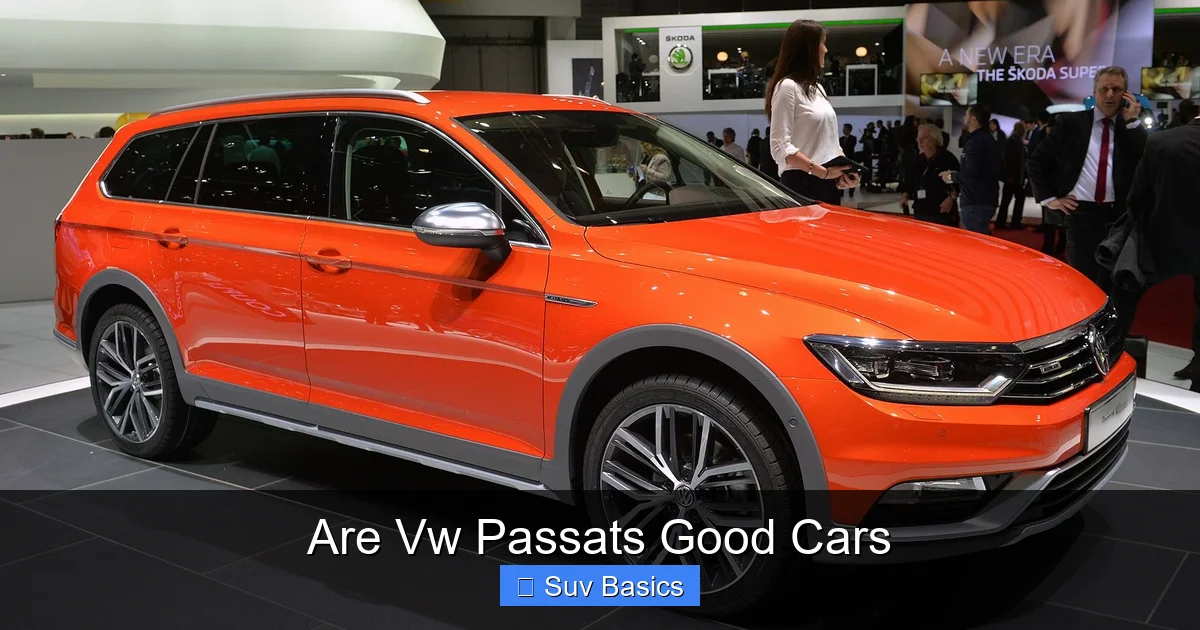
The Volkswagen Passat is a solid choice for drivers seeking a comfortable, well-built midsize sedan with European styling and smooth handling. While it may not lead the pack in tech or fuel economy, it offers strong safety ratings, a spacious interior, and a refined driving experience that makes it a worthy contender in its class.
If you’re in the market for a dependable midsize sedan that blends comfort, style, and practicality, the Volkswagen Passat deserves a serious look. Over the years, this German-engineered car has built a reputation for delivering a refined driving experience without breaking the bank. Whether you’re commuting to work, road-tripping with family, or just want a car that feels premium without the luxury price tag, the Passat checks a lot of boxes.
But are VW Passats good cars? That’s the million-dollar question—and the answer isn’t a simple yes or no. Like any vehicle, the Passat has its strengths and weaknesses. It won’t turn heads like a sports car or dominate off-road trails like an SUV, but it shines in everyday usability. From its quiet cabin to its smooth ride, the Passat is designed for drivers who value comfort and reliability over flashy performance. And with a long history dating back to the 1970s, Volkswagen has had plenty of time to refine this model into a well-rounded package.
If you’re interested in larger vehicles, you might want to explore our SUVs explained guide.
Key Takeaways
- Reliable and Durable: The VW Passat is known for its solid build quality and long-term reliability, especially with proper maintenance.
- Comfortable Ride: With a smooth suspension and quiet cabin, the Passat excels in comfort, making it ideal for daily commutes and long trips.
- Spacious Interior: It offers generous legroom and trunk space, outperforming many rivals in passenger and cargo room.
- Safety First: The Passat consistently earns high safety ratings from IIHS and NHTSA, with standard advanced driver-assist features.
- Fuel-Efficient Options: Available turbocharged engines provide a good balance of power and fuel economy, especially on the highway.
- Stylish Design: Clean, understated European styling gives the Passat a timeless look that appeals to many buyers.
- Tech and Features: While not the most cutting-edge, recent models include user-friendly infotainment and connectivity options.
📑 Table of Contents
- Performance and Engine Options
- Interior Comfort and Space
- Safety Features and Ratings
- Technology and Infotainment
- Reliability and Long-Term Value
- Styling and Exterior Design
- Conclusion: Is the VW Passat Right for You?
Performance and Engine Options
The Volkswagen Passat offers a range of engine options depending on the model year and trim, but most recent versions come equipped with a 2.0-liter turbocharged four-cylinder engine. This engine delivers around 174 to 220 horsepower, depending on the configuration, and pairs with either a six-speed automatic or a seven-speed dual-clutch transmission (DSG). While it’s not the most powerful sedan in its class, the Passat provides more than enough power for daily driving, highway merging, and light passing.
One of the standout features of the Passat’s engine is its smoothness. The turbocharged setup delivers power in a linear, predictable manner, avoiding the jerky acceleration some competitors exhibit. The DSG transmission, in particular, is praised for its quick shifts and responsiveness, making gear changes nearly imperceptible. This contributes to a driving experience that feels both sporty and composed.
Fuel Economy and Efficiency
When it comes to fuel economy, the Passat holds its own against rivals like the Toyota Camry and Honda Accord. On average, you can expect around 23–25 miles per gallon in the city and 34–36 mpg on the highway, depending on the drivetrain and model year. These numbers are competitive for a non-hybrid midsize sedan, especially considering the car’s size and power output.
For drivers who prioritize long-distance efficiency, the Passat’s highway performance is a major selling point. The aerodynamic design and well-tuned engine help it sip fuel efficiently at cruising speeds. Plus, the large fuel tank means fewer stops on road trips—something frequent travelers will appreciate.
Interior Comfort and Space
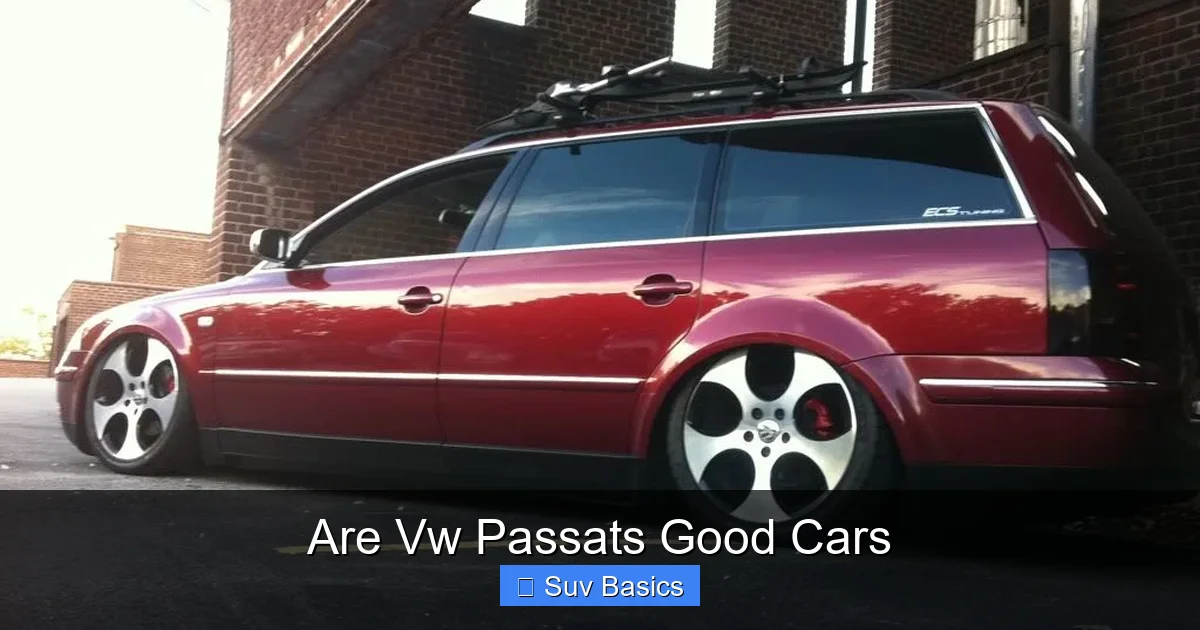
Visual guide about Are Vw Passats Good Cars
Image source: i.pinimg.com
Step inside the Passat, and you’re greeted by a cabin that feels more upscale than its price point suggests. Volkswagen has long been known for its attention to interior design, and the Passat is no exception. High-quality materials, soft-touch surfaces, and a clean, minimalist layout give the cabin a premium feel. Even in base trims, the dashboard and door panels avoid the cheap plastics found in some competitors.
Passenger and Cargo Room
One of the Passat’s biggest advantages is its interior space. It offers some of the most generous legroom in the midsize sedan segment—especially in the rear seats. Adults can sit comfortably in the back without feeling cramped, making it a great choice for families or carpooling. The front seats are also well-bolstered and supportive, with plenty of adjustability for drivers of all sizes.
Cargo space is another strong suit. With 15.9 cubic feet of trunk space, the Passat beats out many rivals, including the Accord and Camry. The wide opening and low load floor make it easy to pack in groceries, luggage, or sports gear. And if you need even more room, the 60/40 split-folding rear seats allow you to expand the cargo area for larger items.
If you need even more space, you might consider an SUV; learn about the history of SUVs to see how they’ve evolved.
Noise Levels and Ride Quality
Volkswagen has done an excellent job of insulating the Passat’s cabin from outside noise. On the highway, wind and road noise are kept to a minimum, creating a peaceful environment for conversation or music. This quietness, combined with the car’s well-tuned suspension, results in a ride that feels smooth and composed over bumps and potholes.
The suspension setup—MacPherson struts in the front and a multi-link rear—absorbs road imperfections without feeling floaty or disconnected. It’s a balance that many drivers appreciate, especially on long drives. Whether you’re navigating city streets or cruising down the interstate, the Passat delivers a comfortable, confidence-inspiring ride.
Safety Features and Ratings
Safety is a top priority for many car buyers, and the Volkswagen Passat doesn’t disappoint. It consistently earns high marks from both the Insurance Institute for Highway Safety (IIHS) and the National Highway Traffic Safety Administration (NHTSA). In recent model years, the Passat has received a “Top Safety Pick” or “Top Safety Pick+” rating from the IIHS, depending on trim and equipment.
Standard and Available Safety Tech
Even in base trims, the Passat comes equipped with a robust suite of standard safety features. These include forward collision warning, automatic emergency braking, blind-spot monitoring, rear cross-traffic alert, and adaptive cruise control. Higher trims add features like lane-keeping assist, parking sensors, and a rearview camera with dynamic guidelines.
These systems work seamlessly to help prevent accidents and reduce driver fatigue. For example, the adaptive cruise control maintains a safe following distance in traffic, while the blind-spot monitoring system alerts you to vehicles in your blind zone—especially helpful during lane changes on busy highways.
Crash Test Performance
In crash tests, the Passat performs well across the board. It earns “Good” ratings in most IIHS categories, including moderate overlap front, side, and roof strength. The NHTSA gives it an overall five-star safety rating, with top marks in frontal and side crash protection. These results reflect Volkswagen’s commitment to building safe, structurally sound vehicles.
For families or safety-conscious drivers, the Passat’s strong safety record is a major plus. It’s a car you can feel confident driving—and letting others drive—knowing it’s designed to protect you in the event of a collision.
Technology and Infotainment
While the Passat may not be the most tech-forward sedan on the market, it offers a solid suite of features that meet the needs of most drivers. The infotainment system centers around a touchscreen display—typically 6.5 or 8 inches, depending on the trim—that supports Apple CarPlay and Android Auto. This means you can easily mirror your smartphone’s apps, including navigation, music, and messaging.
User Interface and Connectivity
The interface is intuitive and responsive, with clearly labeled menus and minimal lag. Physical buttons for climate control and audio functions are still present, which many drivers prefer over fully touch-based systems. Bluetooth, USB ports, and available wireless charging keep you connected on the go.
Higher trims offer additional features like a premium Fender audio system, navigation, and a digital cockpit display. While the graphics aren’t as flashy as those in luxury brands, the system is reliable and easy to use—even for tech newcomers.
Limitations and Updates
One area where the Passat lags slightly is in over-the-air software updates and advanced driver-assist features like hands-free highway driving. Unlike some newer models from Hyundai or Tesla, the Passat doesn’t offer semi-autonomous capabilities. However, for drivers who don’t need cutting-edge tech, this isn’t a dealbreaker. The system does what it’s supposed to do: keep you connected and entertained without unnecessary complexity.
Reliability and Long-Term Value
One of the biggest questions buyers have is whether the Passat will last. The good news? With proper maintenance, the Passat can be a reliable long-term companion. According to sources like J.D. Power and Consumer Reports, the Passat scores above average in reliability, especially in recent model years (2015 and newer).
Common Issues and Maintenance
Like any car, the Passat isn’t immune to issues. Some older models (particularly 2012–2014) had reports of electrical glitches, transmission hesitation, or turbocharger problems. However, Volkswagen has addressed many of these concerns in later updates. Routine maintenance—oil changes, brake inspections, and timing belt replacements—is key to keeping the car running smoothly.
The Passat also benefits from a strong network of dealerships and certified mechanics, making repairs and parts relatively easy to find. Extended warranties and certified pre-owned programs add extra peace of mind for used buyers.
Resale Value
While the Passat doesn’t hold its value as well as a Toyota or Honda, it still depreciates at a reasonable rate. After three years, you can expect to retain about 50–55% of its original value, which is competitive for the segment. Factors like low mileage, clean history, and higher trims can boost resale value.
Styling and Exterior Design
The Passat’s design is classic Volkswagen: clean, understated, and timeless. It doesn’t try to be flashy or overly aggressive. Instead, it features smooth lines, a wide grille, and subtle chrome accents that give it a sophisticated look. The proportions are balanced, with a long wheelbase and a low, planted stance that hints at its European roots.
Customization and Trim Levels
Volkswagen offers the Passat in several trim levels, from the base S to the well-equipped SEL and R-Line. Each trim adds more features and styling cues—like larger wheels, LED lighting, and sportier bumpers. The R-Line, in particular, gives the Passat a more athletic appearance with unique wheels, a rear spoiler, and blacked-out trim.
For buyers who want a car that looks premium without screaming “luxury,” the Passat’s design is a major draw. It’s the kind of car that looks just as good in a business parking lot as it does in a suburban driveway.
Conclusion: Is the VW Passat Right for You?
So, are VW Passats good cars? The answer is a resounding yes—for the right buyer. If you value comfort, space, safety, and a refined driving experience, the Passat is an excellent choice. It may not be the most exciting or tech-heavy sedan on the market, but it delivers where it counts: reliability, practicality, and everyday usability.
It’s ideal for commuters, families, and anyone who wants a well-built car that doesn’t require constant attention. While it may not turn heads at the car show, it will get you where you need to go—comfortably, safely, and efficiently.
If you’re considering a midsize sedan and haven’t test-driven the Passat, you’re missing out.
Alternatively, if you’re leaning toward an SUV, check out our top 5 luxury SUVs of 2024 for inspiration.
Schedule a drive, explore the features, and see for yourself why so many drivers continue to choose Volkswagen’s dependable flagship.
Frequently Asked Questions
Are VW Passats expensive to maintain?
The Passat is generally affordable to maintain, especially with routine care. While parts and labor can be slightly more than domestic brands, it’s still reasonable compared to luxury vehicles. Regular oil changes and timely servicing help prevent major issues.
How long do VW Passats last?
With proper maintenance, a VW Passat can easily last 150,000 to 200,000 miles or more. Many owners report trouble-free driving well beyond 200,000 miles, especially with newer models and timely repairs.
Is the VW Passat a safe car?
Yes, the Passat is considered very safe. It earns top ratings from IIHS and NHTSA and comes standard with advanced safety features like automatic emergency braking and blind-spot monitoring.
Does the Passat have good gas mileage?
Yes, the Passat offers competitive fuel economy, averaging 23–25 mpg in the city and 34–36 mpg on the highway. This makes it efficient for both city driving and long trips.
Is the VW Passat reliable?
Recent model years (2015 and newer) of the Passat are considered reliable, with above-average scores from J.D. Power and Consumer Reports. Older models may have more reported issues, so check maintenance history.
Can the Passat handle snow and bad weather?
The Passat performs well in light to moderate snow, especially with all-season tires. While it’s not available with all-wheel drive, its traction control and stability systems help maintain grip in slippery conditions.