
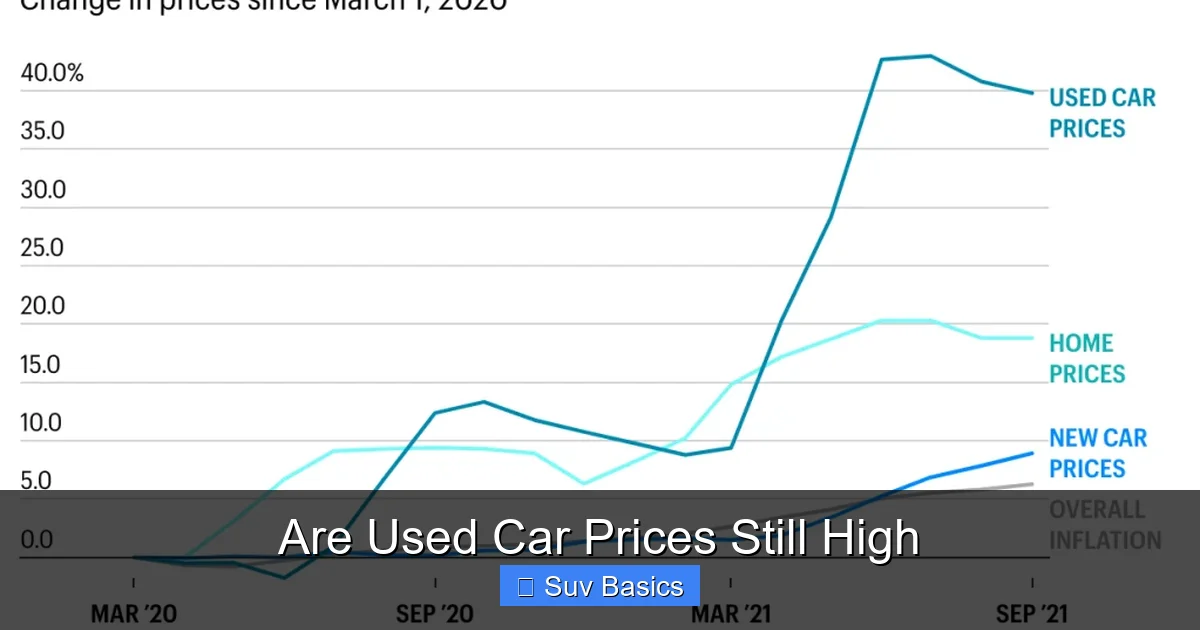
Used car prices have dropped from pandemic peaks but remain above pre-2020 levels. Supply chain recovery and increased inventory are helping, yet high interest rates and strong demand keep costs elevated—especially for popular SUVs.
If you’ve been eyeing a used SUV lately, you’re probably wondering: *Are used car prices still high?* The short answer is yes—but it’s not as bad as it was two years ago. During the pandemic, used car prices skyrocketed due to chip shortages, factory shutdowns, and a surge in demand. At one point, some models were selling for more than their original MSRP. Today, the market is cooling, but we’re not back to “normal” just yet.
So what’s really going on? While inventory has improved and prices have dipped from their 2022 peaks, they’re still significantly higher than pre-pandemic levels. For SUV buyers—especially those looking for reliable, fuel-efficient options—this means you’ll likely pay a premium compared to 2019. But with smart strategies and a bit of patience, you can still find a great deal without breaking the bank.
Key Takeaways
- Prices are down from 2022 highs but still elevated: The average used car now costs about 20–30% more than in 2019, despite recent declines.
- SUVs remain in high demand: Compact and midsize SUVs like the Honda CR-V and Toyota RAV4 command premium resale values due to fuel efficiency and versatility.
- Interest rates impact affordability: Higher auto loan rates mean monthly payments stay high even if sticker prices dip slightly.
- Certified pre-owned (CPO) vehicles offer value: CPO SUVs often include warranties and inspections, making them a safer bet in a pricey market.
- Timing your purchase matters: Late summer and year-end sales often bring better deals as dealers clear inventory.
- Private sellers may offer lower prices: Buying directly from owners can save money, but requires more due diligence.
- Depreciation patterns vary by model: Some SUVs lose value faster—research specific models before buying to avoid overpaying.
📑 Table of Contents
- Why Are Used Car Prices Still High in 2024?
- How Much Have Used Car Prices Dropped?
- Is Now a Good Time to Buy a Used SUV?
- Smart Strategies for Buying a Used SUV in a High-Price Market
- Which Used SUVs Offer the Best Value?
- The Bottom Line: Patience and Research Pay Off
Why Are Used Car Prices Still High in 2024?
Even though the worst of the supply crunch is over, several factors continue to keep used car prices elevated. Understanding these forces can help you make a smarter buying decision.
Supply Chain Recovery Is Slow
New car production has rebounded, but not fast enough to flood the used market with fresh trade-ins. Automakers are still catching up on backlogged orders, which means fewer new vehicles are being sold—and thus, fewer used ones entering the market through trade-ins. This limited turnover keeps used inventory tight, especially for in-demand SUVs.
High Demand for SUVs Persists
SUVs dominate the used car market for good reason: they offer space, safety, and all-weather capability. Models like the Toyota RAV4, Honda CR-V, and Subaru Forester remain top picks for families and commuters alike. Because demand outpaces supply, these vehicles hold their value well—and that translates to higher resale prices.
Interest Rates Add to the Cost
Even if the sticker price of a used SUV drops slightly, rising interest rates mean your monthly payment might not. The average auto loan rate in 2024 hovers around 7–9%, up from under 5% in 2021. That adds hundreds—or even thousands—of dollars in interest over the life of a loan, making affordability a bigger challenge than the price tag alone suggests.
How Much Have Used Car Prices Dropped?
Good news: prices are coming down—just not as fast as many hoped. According to industry reports, the average used car price fell by about 8–10% from its peak in early 2022. As of mid-2024, the typical used vehicle sells for around $27,000, compared to $23,000 in 2019.
SUVs Are Slowing the Decline
While sedans and hatchbacks have seen steeper price drops, SUVs—particularly compact and midsize models—are resisting depreciation. For example, a 2020 Honda CR-V that sold for $32,000 new might now go for $26,000 used. That’s a solid drop, but still well above its historical depreciation curve. Luxury SUVs like the Lexus RX or Acura MDX also retain value better than average.
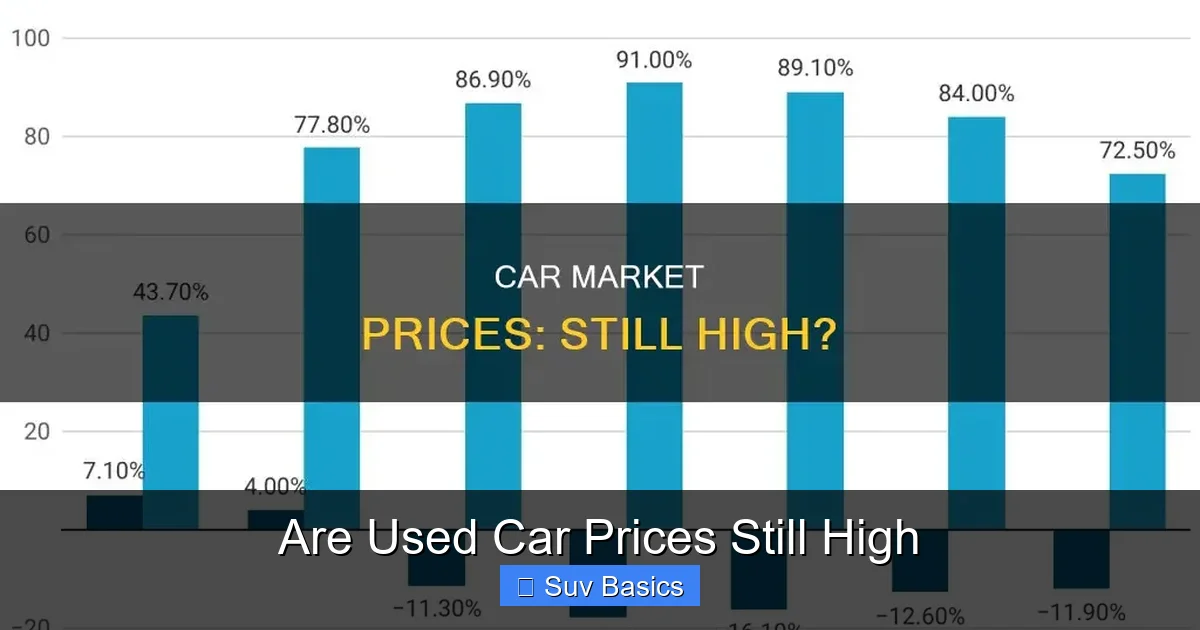
Visual guide about Are Used Car Prices Still High
Image source: shunauto.com
Regional Differences Matter
Prices vary widely by location. In urban areas with high demand and limited parking, used SUVs often command higher prices. Meanwhile, rural regions with more inventory and lower competition may offer better deals. Always check local listings and compare prices across platforms like CarGurus, Autotrader, and Cars.com.
Is Now a Good Time to Buy a Used SUV?
This is the million-dollar question. The answer depends on your budget, needs, and willingness to wait.
Pros of Buying Now
- More inventory available: Dealerships have more used SUVs on lots than in 2021–2022, giving you more options.
- Negotiating power is returning: With more supply, dealers are more open to price discussions—especially on older models.
- Certified pre-owned programs are expanding: Many brands now offer extended CPO warranties, roadside assistance, and free maintenance, adding peace of mind.
Cons of Buying Now
- Prices still above historical norms: You’re unlikely to find a “steal” unless you’re flexible on model or mileage.
- High financing costs: Even with a lower price, monthly payments can be steep due to interest rates.
- Depreciation risk: If you buy now and prices drop further in 2025, you could lose equity quickly.
Smart Strategies for Buying a Used SUV in a High-Price Market
You don’t have to overpay. With the right approach, you can score a reliable used SUV without stretching your budget.
Set a Realistic Budget—Including Interest
Don’t just focus on the purchase price. Use an auto loan calculator to estimate your monthly payment based on current rates. Aim to keep your total car payment (including insurance and maintenance) under 15% of your take-home pay. For example, if you earn $5,000/month after taxes, your car expenses should stay below $750.
Consider Certified Pre-Owned (CPO)
CPO SUVs cost more than non-certified ones, but they often come with perks like extended warranties, multi-point inspections, and return policies. For instance, a CPO 2021 Toyota RAV4 Hybrid might cost $2,000 more than a similar non-CPO model—but it could save you $3,000 in potential repairs down the road.
Shop Off-Peak Seasons
Dealers are more motivated to move inventory in late summer (August–September) and at year-end (November–December). These periods often bring incentives, markdowns, and better trade-in values. Avoid spring and early summer, when demand peaks and prices rise.
Expand Your Search Radius
Don’t limit yourself to local listings. Use online tools to search within a 100–150 mile radius. You might find a better deal just a few hours away—and many dealers offer delivery or shipping for a small fee.
Get a Pre-Purchase Inspection
Whether buying from a dealer or private seller, always have an independent mechanic inspect the SUV before you commit. This $100–$150 investment can uncover hidden issues like transmission problems, frame damage, or worn suspension—saving you thousands in repairs.
Which Used SUVs Offer the Best Value?
Not all SUVs are created equal when it comes to resale value and reliability. Here are a few standout models that balance affordability, performance, and long-term value.
Toyota RAV4 (2019–2021)
The RAV4 is a top pick for its reliability, fuel efficiency, and strong resale value. A 2020 RAV4 LE with 40,000 miles might cost around $24,000—higher than average, but worth it for the peace of mind. Look for models with Toyota Safety Sense 2.0 for added driver aids.
Honda CR-V (2018–2020)
Similar to the RAV4, the CR-V offers excellent fuel economy, a spacious interior, and low maintenance costs. A 2019 CR-V EX with 50,000 miles typically sells for $23,000–$25,000. Avoid base LX trims if possible—they lack key features like Apple CarPlay.
Subaru Forester (2019–2021)
If you live in a snowy or rural area, the Forester’s standard all-wheel drive and high ground clearance make it a smart choice. Prices range from $22,000 to $26,000 depending on trim and mileage. Watch for models with the EyeSight safety suite.
Mazda CX-5 (2017–2020)
For buyers who want a more engaging drive, the CX-5 offers sporty handling and a premium interior. It depreciates faster than Toyota or Honda, so you can often find a well-equipped 2018 CX-5 Grand Touring for under $22,000.
The Bottom Line: Patience and Research Pay Off
So, are used car prices still high? Yes—but the market is shifting. While we’re not back to 2019 pricing, the steepest increases are behind us. For SUV buyers, the key is to stay informed, be flexible, and prioritize value over impulse.
Focus on reliable models, consider CPO options, and time your purchase wisely. And remember: a slightly higher upfront cost may be worth it if it means fewer repairs and better resale value down the road. With the right strategy, you can drive away in a quality used SUV without feeling like you overpaid.
Frequently Asked Questions
Are used car prices expected to drop further in 2024?
Yes, experts predict a gradual decline in used car prices through late 2024 and into 2025 as new car production stabilizes and inventory grows. However, prices are unlikely to return to pre-pandemic levels due to persistent demand and higher manufacturing costs.
Should I buy a used SUV now or wait?
If you need a vehicle immediately, buying now makes sense—especially if you find a good CPO deal. But if you can wait, holding off until late 2024 or early 2025 could yield better prices and more options.
Do private sellers offer lower prices than dealerships?
Often, yes. Private sellers typically price their vehicles 10–15% below dealer listings because they don’t have overhead costs. However, you lose protections like warranties and return policies, so inspections are crucial.
Are hybrid or electric SUVs more expensive used?
Generally, yes—due to high demand and limited supply. However, some older hybrids like the Toyota RAV4 Hybrid hold their value well, making them a smart long-term investment despite the higher upfront cost.
How can I avoid overpaying for a used SUV?
Research fair market values using tools like Kelley Blue Book or Edmunds, get a pre-purchase inspection, and compare at least three similar listings. Don’t rush—patience often leads to better deals.
Do certified pre-owned SUVs cost more?
Yes, CPO SUVs usually cost $1,000–$3,000 more than non-certified ones. But they often include extended warranties, roadside assistance, and rigorous inspections, which can save money on repairs and boost resale value.