
The Volkswagen Tiguan is generally considered a reliable compact SUV, especially in recent model years. While early versions had some mechanical hiccups, newer Tiguans benefit from improved engineering, strong safety scores, and solid owner satisfaction.
Key Takeaways
- Reliability has improved significantly since 2018: Earlier models (2009–2017) faced transmission and electrical issues, but post-2018 redesigns brought better build quality and fewer complaints.
- High safety ratings boost confidence: The Tiguan earns top marks from the IIHS and NHTSA, making it a dependable family choice.
- Fuel efficiency is competitive: With up to 29 mpg highway, the Tiguan balances power and economy well for its class.
- Routine maintenance is key to longevity: Following VW’s service schedule helps prevent common problems like turbocharger or timing chain wear.
- Owner satisfaction is strong: Many drivers praise the Tiguan’s smooth ride, spacious interior, and user-friendly tech.
- Extended warranty may be worth considering: Given Volkswagen’s reputation, an extended plan can offer peace of mind for long-term ownership.
- Used buyers should focus on 2018+ models: These years offer the best blend of reliability, features, and value.
📑 Table of Contents
- Are Tiguans Reliable? A Straightforward Look at Volkswagen’s Compact SUV
- Understanding Tiguan Reliability Ratings
- Common Tiguan Problems and How to Avoid Them
- Safety and Owner Satisfaction: Real-World Reliability Indicators
- Maintenance Tips to Maximize Tiguan Longevity
- Should You Buy a Tiguan? Final Verdict on Reliability
Are Tiguans Reliable? A Straightforward Look at Volkswagen’s Compact SUV
If you’re shopping for a compact SUV that blends European styling, decent cargo space, and everyday practicality, the Volkswagen Tiguan has likely crossed your radar. But before you sign on the dotted line—or even take one for a test drive—you’re probably asking the million-dollar question: *Are Tiguans reliable?*
It’s a fair concern. Volkswagen has had its share of reliability ups and downs over the years, and not every model earns top marks. However, the Tiguan’s story is more nuanced than a simple “yes” or “no.” While early-generation models (2009–2017) struggled with certain mechanical issues, the current-generation Tiguan—introduced in 2018—has turned a major corner in terms of dependability, owner satisfaction, and overall build quality.
In this guide, we’ll break down everything you need to know about Tiguan reliability, from real-world owner experiences to expert ratings, common problems, and tips for keeping your Tiguan running smoothly for years to come.
Understanding Tiguan Reliability Ratings
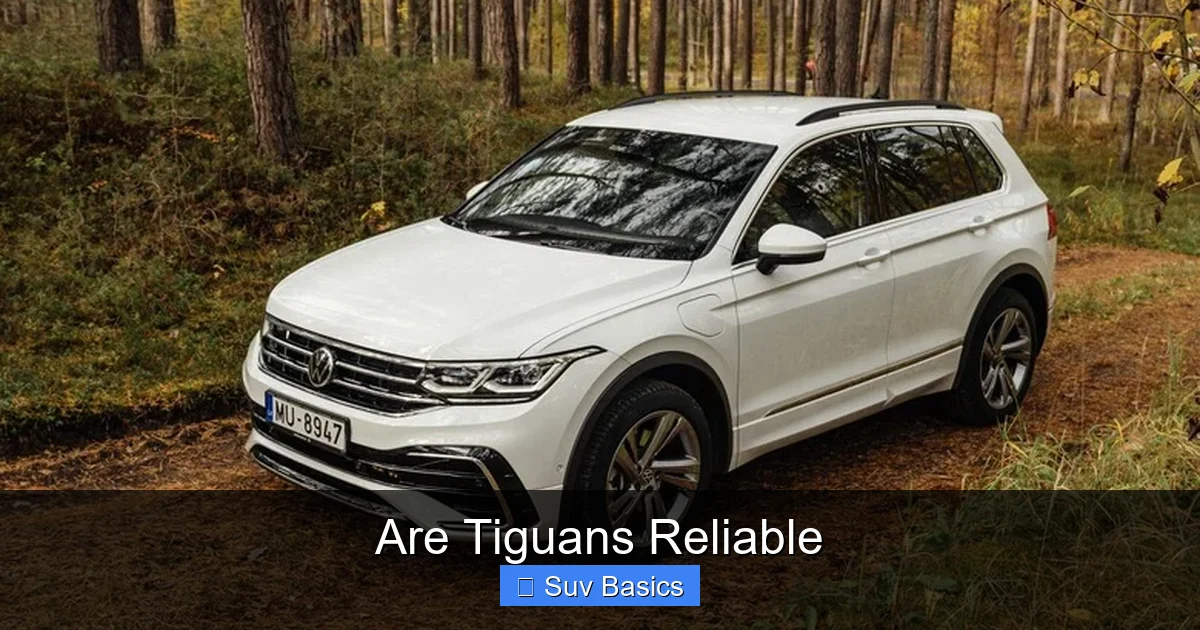
Visual guide about Are Tiguans Reliable
Image source: slashgear.com
When evaluating whether the Tiguan is reliable, it helps to look at third-party ratings from trusted sources like J.D. Power, Consumer Reports, and RepairPal.
J.D. Power gives the 2023 Tiguan a predicted reliability score of 85 out of 100, which falls into the “Good” category. That’s not class-leading, but it’s solid—especially when you consider that many competitors in the compact SUV segment score similarly. Consumer Reports, meanwhile, has shown mixed results over the years but has consistently rated post-2018 Tiguans as “average” to “good” in reliability, with notable improvements in electrical and engine systems.
RepairPal ranks the Tiguan slightly below the segment average for overall reliability, citing higher-than-average annual repair costs (around $600 vs. the segment average of $521). However, this doesn’t necessarily mean the car breaks down more often—it often reflects the cost of parts and labor at VW dealerships, which can be pricier than independent shops.
The takeaway? The Tiguan isn’t the most bulletproof SUV on the market, but it’s far from the least reliable. And if you stick with newer models and stay on top of maintenance, you’ll likely enjoy a trouble-free ownership experience.
How Model Year Affects Reliability
One of the biggest factors in Tiguan reliability is the model year. The first-generation Tiguan (2009–2017) was known for a few recurring issues:
– Dual-clutch automatic transmission (DSG) shuddering or hesitation
– Electrical glitches (e.g., infotainment system freezing)
– Premature timing chain wear in some 2.0T engines
These problems led to frustration among early adopters and gave the Tiguan a somewhat shaky reputation. However, Volkswagen addressed many of these concerns with the second-generation redesign in 2018.
The 2018+ Tiguan features a more conventional 8-speed automatic transmission (replacing the problematic DSG in most trims), improved engine management software, and better electrical architecture. As a result, complaints dropped significantly. According to the NHTSA, reported issues for 2018–2023 models are far fewer and less severe than in earlier years.
If you’re buying used, aim for a 2018 or newer Tiguan—especially one with a clean maintenance history.
Common Tiguan Problems and How to Avoid Them
No car is perfect, and the Tiguan is no exception. While newer models are much more dependable, a few issues still pop up from time to time. Knowing what to watch for can save you headaches down the road.
Turbocharger and Engine Concerns
The Tiguan uses a 2.0-liter turbocharged four-cylinder engine across all trims. While this engine is generally robust, turbocharged engines require careful maintenance. Low oil levels, infrequent oil changes, or using the wrong oil grade can lead to turbo wear or failure.
*Tip:* Always use VW-approved synthetic oil (typically 5W-40) and change it every 5,000 to 7,500 miles—even if the dashboard says “oil life” is longer. This simple habit can extend your engine’s life significantly.
Suspension and Steering Noises
Some owners report clunking or knocking sounds from the front suspension, especially over bumps. This is often due to worn control arm bushings or strut mounts. While not a safety issue, it can be annoying and may require replacement after 60,000–80,000 miles.
Regular inspections during oil changes can catch these issues early. If you hear unusual noises, don’t ignore them—have a trusted mechanic check the suspension components.
Infotainment and Electrical Glitches
The Tiguan’s touchscreen system (MIB2 or MIB3, depending on year) is user-friendly but not immune to occasional freezes or slow response times. Software updates from VW can often resolve these issues.
*Tip:* Visit your local VW dealer for a free software update if your system feels sluggish. Also, avoid aftermarket accessories that plug into the OBD-II port—they can interfere with the car’s electronics.
Safety and Owner Satisfaction: Real-World Reliability Indicators
Reliability isn’t just about avoiding breakdowns—it’s also about feeling confident behind the wheel. The Tiguan scores well here, thanks to strong safety ratings and generally positive owner feedback.
The Insurance Institute for Highway Safety (IIHS) awarded the 2023 Tiguan its Top Safety Pick+ rating, the organization’s highest honor. It earned “Good” scores in all crashworthiness tests and “Superior” ratings for front crash prevention. The National Highway Traffic Safety Administration (NHTSA) also gives the Tiguan a 5-star overall safety rating.
Owners frequently praise the Tiguan for its comfortable ride, quiet cabin, and generous standard features—even on base trims. The available third-row seat (on front-wheel-drive models) is a rare bonus in the compact SUV class, making the Tiguan a versatile choice for growing families.
That said, some drivers note that the ride can feel a bit firm on rough roads, and the third row is best suited for kids. But for daily commuting, weekend trips, and school runs, the Tiguan delivers a smooth and reassuring experience.
Maintenance Tips to Maximize Tiguan Longevity
Even the most reliable cars need proper care. The Tiguan is no different. Follow these best practices to keep your SUV running strong:
– **Stick to the maintenance schedule:** VW recommends specific intervals for oil changes, brake fluid flushes, and cabin air filter replacements. Don’t skip them.
– **Use quality parts and fluids:** Always opt for OEM (original equipment manufacturer) or high-quality aftermarket parts. Cheap substitutes can cause more problems than they solve.
– **Warm up the engine gently:** Turbocharged engines benefit from a brief warm-up period in cold weather—avoid revving the engine immediately after starting.
– **Check tire pressure monthly:** Properly inflated tires improve fuel economy, handling, and tire life.
– **Keep it clean:** Regular washing and waxing protect the paint, while interior cleaning prevents wear on upholstery and controls.
If you’re not comfortable doing basic maintenance yourself, find a reputable VW specialist or dealership service center. They’ll have the right tools and knowledge to keep your Tiguan in top shape.
Should You Buy a Tiguan? Final Verdict on Reliability
So, are Tiguans reliable? The answer is a cautious but confident *yes*—especially if you choose a 2018 or newer model and commit to regular maintenance.
The Tiguan won’t win any awards for being the most trouble-free SUV on the road, but it’s a solid, well-built vehicle that offers excellent value, strong safety credentials, and a pleasant driving experience. Early-generation models had their flaws, but Volkswagen has clearly listened to feedback and made meaningful improvements.
If you’re looking for a stylish, practical compact SUV with European flair and room for the whole family, the Tiguan is absolutely worth considering. Just be smart about your purchase: check the vehicle history, get a pre-purchase inspection, and consider an extended warranty if you plan to keep it long-term.
With the right care, your Tiguan could easily last 150,000 miles or more—proving that reliability isn’t just about the brand, but how you treat your ride.
Frequently Asked Questions
Are Tiguans reliable long-term?
Yes, especially models from 2018 onward. With proper maintenance, many owners report driving their Tiguans well beyond 150,000 miles without major issues. Earlier models may require more attention due to known transmission and electrical concerns.
What year Tiguan is most reliable?
The 2018 and newer Tiguans are the most reliable. This generation introduced a redesigned platform, improved transmission, and better engine management, significantly reducing common problems seen in earlier versions.
Do Tiguans have a lot of electrical problems?
Early models (pre-2018) did experience some infotainment and sensor glitches, but newer Tiguans have far fewer electrical issues. Regular software updates from VW help keep systems running smoothly.
Is the Tiguan expensive to maintain?
Slightly more than average due to dealership labor rates and OEM parts, but not excessively so. Annual maintenance costs are around $600, which is manageable for a vehicle in this class.
Can a Tiguan last 200,000 miles?
Yes, it’s possible—especially with diligent maintenance. Many owners have reached or exceeded 200,000 miles, particularly with the 2.0T engine, which is known for durability when properly cared for.
Should I buy a used Tiguan?
Yes, if it’s a 2018 or newer model with a clean service history. Avoid high-mileage first-gen models unless you’re prepared for potential repairs. Always get a pre-purchase inspection.