
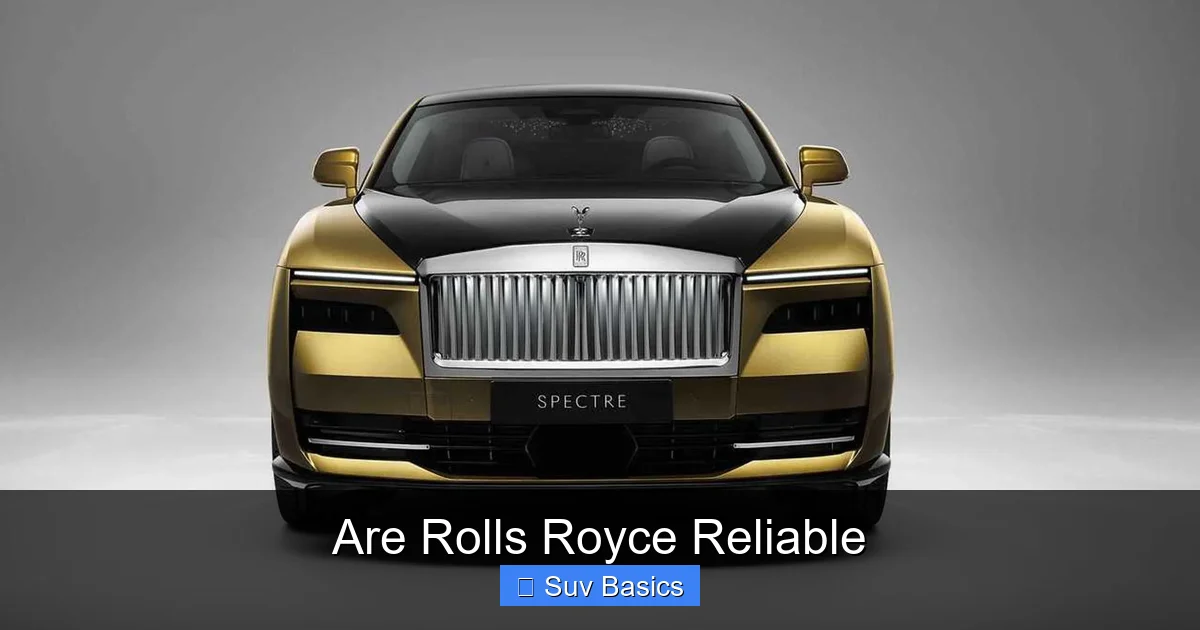
Rolls Royce vehicles are built with exceptional craftsmanship and engineering, but their reliability depends heavily on maintenance and usage. While they offer a luxurious and smooth driving experience, owners should expect higher upkeep costs and occasional mechanical quirks.
When you think of luxury automobiles, few names evoke the same level of prestige and elegance as Rolls Royce. Known for their whisper-quiet cabins, hand-stitched leather, and iconic Spirit of Ecstasy hood ornament, Rolls Royce vehicles are more than just cars—they’re rolling works of art. Behind the opulence lies a common question among potential buyers: Are Rolls Royce reliable?
The short answer? It’s complicated. Rolls Royce reliability isn’t a simple yes or no. These vehicles are engineered for comfort, refinement, and status, not necessarily for bulletproof dependability like a Toyota or Honda. That said, with proper care, many Rolls Royce models can deliver years of smooth, trouble-free service. The key lies in understanding what you’re getting into—and being prepared for the responsibilities that come with owning such a high-end machine.
Unlike mass-market cars, Rolls Royce vehicles are built in extremely low volumes. Each car is hand-assembled by skilled artisans at the company’s headquarters in Goodwood, England. This level of craftsmanship ensures top-tier quality, but it also means that repairs and maintenance require specialized knowledge and parts. So while the build quality is exceptional, the real test of reliability comes down to how well the car is maintained over time.
Key Takeaways
- Exceptional Build Quality: Rolls Royce vehicles are handcrafted with premium materials and meticulous attention to detail, contributing to long-term durability when properly maintained.
- High Maintenance Costs: Routine servicing and repairs are significantly more expensive than average vehicles due to specialized parts and labor.
- Reliability Varies by Model: Newer models like the Cullinan and Ghost benefit from modern technology, while older models may show age-related issues.
- Low Annual Mileage Matters: Most Rolls Royce owners drive fewer than 5,000 miles per year, which can lead to mechanical issues from inactivity if not properly managed.
- Extended Warranties Recommended: Purchasing an extended warranty or service plan can help manage unexpected repair costs and ensure consistent care.
- Resale Value Holds Well: Despite reliability concerns, Rolls Royce cars retain value better than many luxury brands due to their exclusivity and prestige.
- Not Ideal for Daily Driving: These vehicles shine on special occasions or weekend drives but may not be practical or cost-effective for everyday use.
📑 Table of Contents
- Understanding Rolls Royce Reliability
- Common Reliability Issues and How to Avoid Them
- Maintenance: The Key to Long-Term Reliability
- Model-by-Model Reliability Comparison
- Resale Value and Long-Term Ownership
- Is a Rolls Royce Right for You?
- Final Thoughts
Understanding Rolls Royce Reliability
To assess whether Rolls Royce is reliable, it’s important to look at both the brand’s reputation and real-world owner experiences. Reliability in luxury vehicles often differs from mainstream cars. While a Honda might be praised for going 200,000 miles with minimal issues, a Rolls Royce is judged more on how it feels, sounds, and performs over time—even if it requires more frequent attention.
One of the biggest factors affecting Rolls Royce reliability is usage. Most owners don’t drive their Rolls Royce daily. In fact, many use it only on weekends or special occasions, logging fewer than 5,000 miles per year. While this preserves the car’s appearance, it can actually lead to mechanical problems. Engines, seals, and electronics can degrade from inactivity, leading to issues like dry rot in hoses, battery drain, or fuel system clogs.
What Owners Say About Reliability
Owner forums and reviews paint a mixed but generally positive picture. Many long-term owners report that their Rolls Royce has been dependable, especially when serviced regularly at authorized dealerships. However, others mention unexpected electrical glitches, suspension issues, or costly repairs after the warranty expires.
For example, a 2018 Ghost owner in California reported “flawless performance” over 40,000 miles, praising the car’s smoothness and comfort. Meanwhile, a 2015 Wraith owner in New York experienced multiple air suspension failures, each costing over $3,000 to fix. These stories highlight a key point: reliability often depends on individual maintenance habits and how the car is used.
Common Reliability Issues and How to Avoid Them
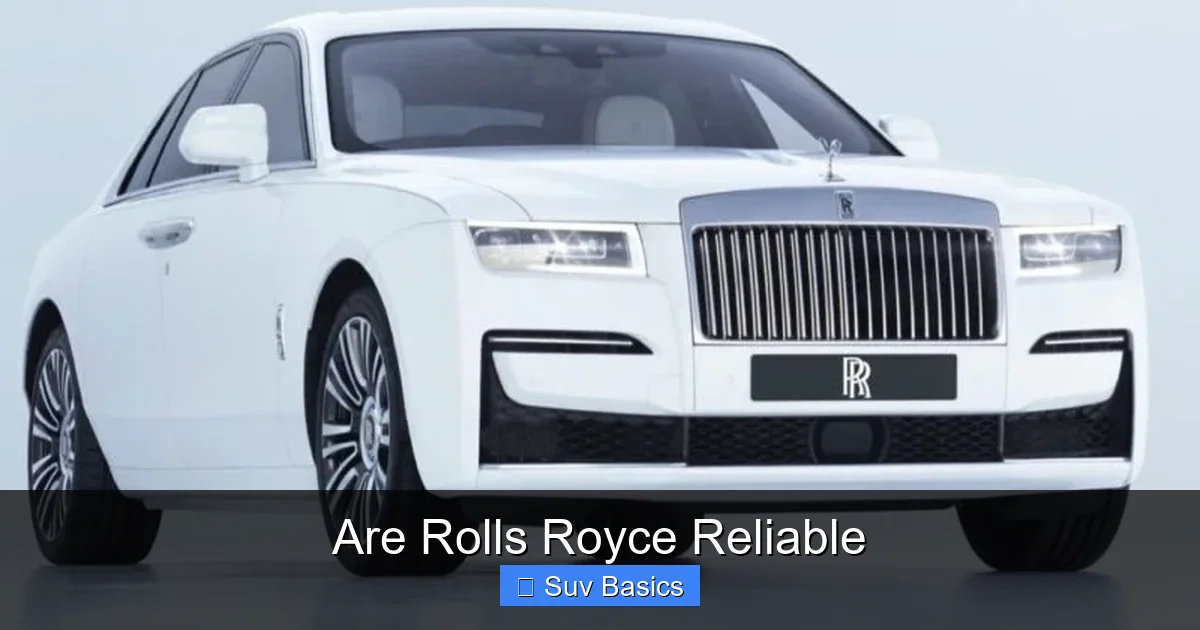
Visual guide about Are Rolls Royce Reliable
Image source: itisreliable.com
No car is perfect, and Rolls Royce is no exception. While the brand has improved significantly in recent years, some models have faced recurring issues. Being aware of these can help you make an informed decision and take preventive steps.
Electrical and Software Glitches
Modern Rolls Royce models come loaded with advanced infotainment systems, driver assistance features, and digital interfaces. While impressive, these systems can be prone to software bugs or connectivity issues. Some owners report problems with the touchscreen freezing, Bluetooth dropping, or navigation systems failing to update.
To minimize these issues, ensure your vehicle receives regular software updates from a Rolls Royce service center. Avoid third-party modifications, which can interfere with factory programming.
Suspension and Air Ride Problems
The air suspension system is a hallmark of Rolls Royce comfort, providing a cloud-like ride over any terrain. However, it’s also one of the most expensive components to repair. Over time, air springs can leak, compressors can fail, and sensors may malfunction—especially in older models.
Regular inspections and keeping the system clean can help. If you notice a drop in ride height or a warning light, address it immediately to prevent further damage.
Engine and Cooling System Concerns
Rolls Royce engines are powerful and smooth, but they’re also complex. The V12 engines in models like the Phantom and Cullinan require precise cooling and lubrication. Low mileage can lead to oil sludge buildup, while infrequent use may cause coolant to stagnate.
To prevent engine issues, follow the manufacturer’s recommended service intervals—even if you haven’t driven much. Consider using a battery maintainer if the car sits for long periods.
Maintenance: The Key to Long-Term Reliability
If there’s one truth about Rolls Royce reliability, it’s this: maintenance is everything. These cars are not designed to be neglected. Skipping oil changes, ignoring warning lights, or using non-genuine parts can quickly lead to expensive repairs.
Service Costs and What to Expect
Routine maintenance for a Rolls Royce is significantly more expensive than for a standard vehicle. An oil change can cost $500 or more, and a full service might run $2,000–$3,000. Tires, brakes, and fluids are also pricier due to the car’s size and performance requirements.
However, many owners find that the cost is worth it for the peace of mind and performance. Authorized service centers use only genuine parts and trained technicians, ensuring your car stays in peak condition.
Extended Warranties and Service Plans
Given the high cost of repairs, purchasing an extended warranty or prepaid service plan is highly recommended. Rolls Royce offers programs like the Rolls Royce Motor Cars Care plan, which covers scheduled maintenance for up to 10 years or 100,000 miles.
These plans not only reduce out-of-pocket expenses but also ensure your car is serviced according to factory standards. They can also increase resale value, as buyers appreciate documented, professional care.
Model-by-Model Reliability Comparison
Not all Rolls Royce models are created equal when it comes to reliability. Newer vehicles benefit from improved technology and manufacturing processes, while older models may show age-related wear.
Phantom: The Flagship with Proven Track Record
The Rolls Royce Phantom is the brand’s flagship sedan and one of its most reliable models. With a long production history and continuous updates, the Phantom has a solid reputation for durability. Owners praise its smooth ride and low mechanical issues—when properly maintained.
Ghost: Balancing Luxury and Practicality
The Ghost, introduced in 2010, has become one of Rolls Royce’s best-selling models. It’s slightly more driver-focused than the Phantom and has shown good reliability in recent years. The latest generation (2020+) features updated electronics and improved build quality.
Cullinan: The Luxury SUV with Growing Pains
As Rolls Royce’s first SUV, the Cullinan brought the brand into a new segment. While it offers unmatched luxury and off-road capability, some early models experienced software bugs and suspension quirks. These issues have largely been addressed in newer versions, but buyers should still research specific model years.
Wraith and Dawn: Performance with a Price
The Wraith coupe and Dawn convertible are stunning vehicles, but their performance-oriented nature can lead to higher wear and tear. Owners report more frequent maintenance needs, especially if driven aggressively. These models are best suited for enthusiasts who are prepared for the upkeep.
Resale Value and Long-Term Ownership
One of the surprising aspects of Rolls Royce ownership is how well these cars hold their value. Unlike many luxury brands that depreciate rapidly, Rolls Royce vehicles often retain 50–60% of their value after five years—especially if they’re well-maintained and low-mileage. For readers interested in utility vehicles, our SUV guide offers helpful insights.
This strong resale value is due to the brand’s exclusivity, timeless design, and high demand among collectors. A well-cared-for Phantom or Ghost can even appreciate in value under the right conditions.
However, this also means that neglect can be costly. A poorly maintained Rolls Royce may lose value quickly and become difficult to sell. Regular servicing, detailed records, and careful storage are essential for preserving both reliability and resale potential.
Is a Rolls Royce Right for You?
So, are Rolls Royce reliable? The answer depends on your expectations and lifestyle. If you’re looking for a car that starts every time, needs minimal maintenance, and costs little to own, a Rolls Royce is probably not the best choice.
But if you value unparalleled comfort, craftsmanship, and status—and you’re willing to invest in proper care—a Rolls Royce can be a deeply rewarding ownership experience. These cars are built to impress, to pamper, and to last—provided you treat them with the respect they deserve.
Before buying, consider your driving habits, budget for maintenance, and long-term goals. Test drive multiple models, speak with current owners, and review service records if buying used. And remember: a Rolls Royce isn’t just a car. It’s a commitment.
Final Thoughts
Rolls Royce reliability is a nuanced topic. These vehicles are not the most dependable cars on the road in the traditional sense, but they are built to an extraordinary standard of quality and refinement. With proper maintenance, many owners enjoy years of trouble-free luxury.
The key is understanding what you’re getting into. High upfront cost, expensive repairs, and the need for specialized care are all part of the Rolls Royce experience. But for those who appreciate the finer things in life, the answer to “Are Rolls Royce reliable?” might just be: reliable enough—when you treat them like the masterpieces they are.
Frequently Asked Questions
Are Rolls Royce cars reliable long-term?
Yes, Rolls Royce vehicles can be reliable long-term if they are properly maintained and serviced regularly. However, their reliability depends heavily on usage patterns and care. Low-mileage owners should be especially vigilant about inactivity-related issues.
What is the most reliable Rolls Royce model?
The Rolls Royce Phantom is often considered the most reliable model due to its long production history, proven engineering, and consistent updates. The newer Ghost (2020+) also ranks highly for reliability.
How often should a Rolls Royce be serviced?
Rolls Royce recommends servicing every 10,000 miles or once a year, whichever comes first. Even if you drive very little, annual servicing is crucial to prevent issues from inactivity.
Are Rolls Royce repairs expensive?
Yes, repairs and maintenance for Rolls Royce vehicles are significantly more expensive than average cars. Labor rates, specialized parts, and dealership-only servicing contribute to higher costs.
Can a Rolls Royce be used as a daily driver?
While possible, using a Rolls Royce as a daily driver is not ideal. The high cost of ownership, fuel consumption, and potential for wear and tear make it better suited for occasional or weekend use.
Do Rolls Royce cars have good resale value?
Yes, Rolls Royce vehicles tend to hold their value well compared to other luxury brands. Well-maintained, low-mileage models can retain 50–60% of their value after five years, especially among collectors.