

Range Rovers are stylish, capable luxury SUVs with impressive off-road skills and premium interiors. However, they come with high ownership costs and mixed reliability records, making them better suited for buyers who value prestige and performance over long-term value. For a deeper look at how SUVs have evolved, check out this history of SUVs.
Key Takeaways
- Luxury and Comfort: Range Rovers offer top-tier interiors with premium materials, advanced tech, and a smooth, quiet ride.
- Off-Road Excellence: With advanced terrain response systems, they handle tough trails better than most SUVs.
- High Ownership Costs: Maintenance, repairs, and fuel consumption are significantly higher than average.
- Mixed Reliability: While newer models have improved, older Range Rovers are known for frequent mechanical issues.
- Strong Resale Value: Despite reliability concerns, they hold their value well due to brand prestige.
- Performance Options: From efficient diesels to high-powered V8s and plug-in hybrids, there’s a Range Rover for nearly every need.
- Best for the Right Buyer: Ideal for those who prioritize luxury and capability but can afford ongoing expenses.
📑 Table of Contents
- Are Range Rovers Good Cars? A Honest Look at the Iconic Luxury SUV
- Luxury and Comfort: The Heart of the Range Rover Experience
- Performance and Capability: More Than Just a Pretty Face
- Reliability and Maintenance: The Elephant in the Room
- Safety and Technology: Protecting You and Your Passengers
- Who Should Buy a Range Rover?
Are Range Rovers Good Cars? A Honest Look at the Iconic Luxury SUV
When you think of luxury SUVs, the Range Rover likely comes to mind. With its boxy silhouette, commanding presence, and British pedigree, it’s a vehicle that turns heads from Beverly Hills to the Scottish Highlands. But beyond the glamour and prestige, the real question remains: are Range Rovers good cars?
The answer isn’t a simple yes or no. Like any vehicle, Range Rovers come with strengths and weaknesses. They’re engineered for both rugged off-road adventures and smooth city cruising, wrapped in a package that screams sophistication. But they also come with a hefty price tag—not just at purchase, but over the long term. So, whether a Range Rover is a good car for you depends on your priorities, budget, and expectations.
In this guide, we’ll break down everything you need to know about Range Rovers. From performance and reliability to cost of ownership and real-world usability, we’ll give you the full picture so you can decide if this luxury SUV deserves a spot in your driveway.
Luxury and Comfort: The Heart of the Range Rover Experience
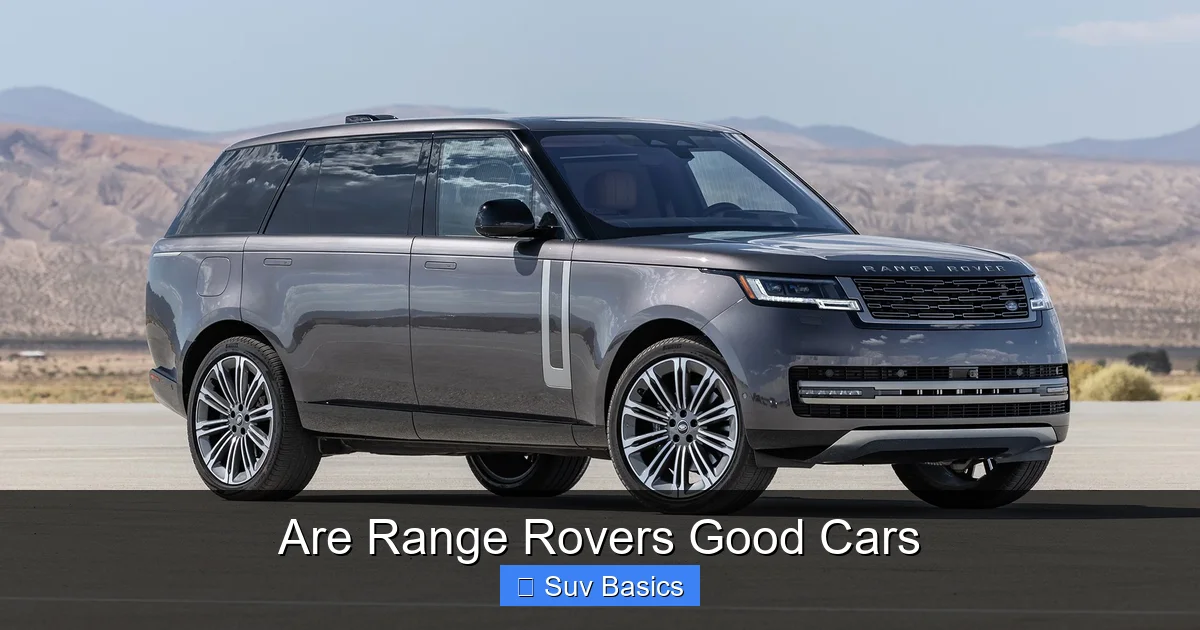
Visual guide about Are Range Rovers Good Cars
Image source: motortrend.com
One of the biggest reasons people are drawn to Range Rovers is the sheer level of luxury they offer. From the moment you step inside, you’re greeted by soft leather, real wood trim, and a quiet cabin that feels more like a high-end lounge than a vehicle. If you’re interested in seeing how it compares to other premium models, see our roundup of the top luxury SUVs for 2024.
Interior Quality and Design
Range Rovers are known for their meticulously crafted interiors. Even base models come with premium materials, heated and ventilated seats, and ambient lighting. Higher trims add features like massaging seats, panoramic sunroofs, and rear-seat entertainment systems. The attention to detail is impressive—stitching is precise, buttons have a satisfying click, and the overall layout feels both modern and timeless.
Technology and Infotainment
Modern Range Rovers come equipped with the latest tech. The Pivi Pro infotainment system, introduced in recent years, features a responsive 13.1-inch touchscreen with Apple CarPlay, Android Auto, and over-the-air updates. While earlier systems were criticized for being slow or glitchy, the newer versions are much more reliable and user-friendly.
Ride Comfort and Noise Isolation
Thanks to adaptive air suspension and advanced noise-canceling technology, Range Rovers deliver one of the smoothest rides in the SUV segment. Whether you’re cruising down the highway or navigating pothole-ridden city streets, the cabin remains quiet and composed. It’s the kind of ride that makes long road trips feel effortless.
Performance and Capability: More Than Just a Pretty Face
Don’t let the luxury fool you—Range Rovers are seriously capable machines. They’re built to handle everything from muddy trails to high-speed autobahn runs.
Engine Options and Power
Range Rover offers a wide range of powertrains to suit different needs. The base engine is usually a turbocharged 2.0-liter four-cylinder, which provides decent power for daily driving. For more oomph, there’s a 3.0-liter inline-six with mild-hybrid technology, delivering around 395 horsepower. At the top end, you’ll find a 5.0-liter supercharged V8 that produces over 518 horsepower—perfect for those who want a luxury SUV that can also sprint from 0 to 60 in under 5 seconds.
There’s also a plug-in hybrid (PHEV) option, combining a 2.0-liter engine with an electric motor for improved fuel efficiency and lower emissions. While not as efficient as a full EV, it’s a good compromise for eco-conscious buyers who still want performance.
Off-Road Prowess
Range Rovers have long been praised for their off-road abilities. The Terrain Response 2 system automatically adjusts the vehicle’s settings based on the surface—whether it’s snow, sand, mud, or rock. With high ground clearance, locking differentials, and advanced traction control, a Range Rover can tackle trails that would leave many trucks struggling.
For example, the Range Rover can ford up to 35.4 inches of water—more than most SUVs on the market. That’s thanks to sealed electronics and a clever air intake system that raises when needed. If you’re planning weekend adventures or live in an area with rough terrain, this capability is a major advantage. To understand how SUVs stack up for various needs, refer to this SUV evaluation guide.
On-Road Handling
Despite their size, Range Rovers handle surprisingly well. The adaptive suspension keeps body roll in check during cornering, and the steering is precise and responsive. It doesn’t feel like a truck—it feels like a luxury cruiser that just happens to be built like a tank.
Reliability and Maintenance: The Elephant in the Room
Now, let’s talk about the elephant in the room: reliability. For years, Range Rovers have had a reputation for being expensive to maintain and prone to mechanical issues. But is that still true?
Reliability Ratings
According to sources like J.D. Power and Consumer Reports, Range Rovers have historically scored below average in reliability. Common issues include electrical problems, air suspension failures, and transmission glitches. However, newer models (2020 and later) have shown improvement, with better build quality and more reliable electronics.
That said, even the latest Range Rovers aren’t immune to problems. A 2022 model might still develop a glitch in the infotainment system or a sensor issue. The key is staying on top of maintenance and addressing small issues before they become big (and expensive) ones.
Cost of Ownership
Owning a Range Rover isn’t cheap. Routine maintenance—oil changes, brake pads, tire rotations—costs more than average due to specialized parts and labor. A simple oil change can run $150 or more, and replacing air suspension components can cost over $2,000.
Then there’s fuel economy. Even the most efficient models get around 20–25 mpg combined, while the V8 versions dip below 15 mpg. If you drive a lot, fuel costs can add up quickly.
Warranty and Service Plans
Land Rover offers a 4-year/50,000-mile basic warranty and a 6-year/75,000-mile powertrain warranty. Some dealers also offer prepaid maintenance plans, which can help spread out costs. But even with a warranty, repairs outside of coverage can be steep.
Safety and Technology: Protecting You and Your Passengers
Range Rovers take safety seriously, with a full suite of driver-assistance features and high crash-test ratings.
Crash Test Ratings
The National Highway Traffic Safety Administration (NHTSA) gives most recent Range Rover models a 5-star overall safety rating. The Insurance Institute for Highway Safety (IIHS) also rates them highly, with “Good” scores in most categories, including frontal crash protection and side impact.
Advanced Driver Assistance Systems (ADAS)
Standard safety features include adaptive cruise control, lane-keeping assist, automatic emergency braking, blind-spot monitoring, and rear cross-traffic alert. Higher trims add features like a 360-degree camera, night vision, and head-up display.
These systems aren’t just for show—they can genuinely help prevent accidents. For example, the automatic emergency braking has been shown to reduce rear-end collisions by up to 50%.
Security Features
Range Rovers come with advanced anti-theft systems, including GPS tracking, remote locking, and engine immobilizers. Some models even offer a “Secure Tracker” subscription that alerts you if your vehicle is moved without authorization.
Resale Value and Brand Prestige
One area where Range Rovers shine is resale value. Despite reliability concerns, they hold their value better than many luxury SUVs.
Depreciation Rates
According to Kelley Blue Book, a Range Rover typically retains about 50–55% of its value after three years. That’s better than competitors like the BMW X7 or Mercedes GLS, which often depreciate faster. The strong brand image and limited production help maintain demand in the used market.
Brand Image and Status
Let’s be honest—part of the appeal of a Range Rover is the status it conveys. It’s a symbol of success, adventure, and refined taste. Whether you’re pulling up to a business meeting or a country club, a Range Rover makes a statement. If you are comparing luxury brands, you might also want to see a Top Luxury SUVs Compared to see how it stacks up against others.
That said, the brand image has evolved. While it was once associated with British aristocracy, today’s Range Rover drivers come from all walks of life—entrepreneurs, celebrities, and outdoor enthusiasts alike.
Who Should Buy a Range Rover?
So, are Range Rovers good cars? For the right buyer, absolutely.
Best For:
- Luxury seekers: If you want a premium interior, smooth ride, and cutting-edge tech, a Range Rover delivers.
- Off-road adventurers: Few SUVs can match its trail capability.
- High-income buyers: If you can afford the purchase price and ongoing costs, the ownership experience can be rewarding.
- Families needing space: With three rows available in the long-wheelbase model, it’s great for large families.
Not Ideal For:
- Budget-conscious buyers: High upfront and maintenance costs make it a poor choice for those watching their wallet.
- Those needing maximum reliability: If you want a car that “just works” with minimal hassle, consider a Lexus or Toyota.
- City dwellers with tight parking: The large size can be a challenge in crowded urban areas.
Final Verdict: Are Range Rovers Good Cars?
Range Rovers are exceptional vehicles in many ways. They combine luxury, performance, and off-road capability in a package that few competitors can match. The ride is smooth, the interior is stunning, and the brand carries undeniable prestige.
But they’re not perfect. Reliability can be hit-or-miss, and the cost of ownership is high. You’re paying not just for a car, but for an experience—and that comes at a premium.
If you value comfort, style, and capability—and have the budget to support it—a Range Rover could be a fantastic choice. But if you’re looking for something practical, affordable, and trouble-free, you might want to keep looking.
In the end, are Range Rovers good cars? Yes—but only if you’re ready for what comes with them.
Frequently Asked Questions
Are Range Rovers reliable?
Range Rovers have historically had below-average reliability ratings, especially older models. However, newer versions (2020 and later) have shown improvement. Regular maintenance and prompt repairs can help avoid major issues.
How much does it cost to maintain a Range Rover?
Maintenance costs are significantly higher than average. Routine services can cost 30–50% more than mainstream brands, and major repairs like air suspension or transmission work can run into thousands of dollars.
Can a Range Rover really go off-road?
Yes. With advanced terrain response systems, high ground clearance, and locking differentials, Range Rovers are among the most capable off-road SUVs on the market—ideal for trails, mud, sand, and snow.
What is the fuel economy of a Range Rover?
Fuel economy varies by engine. The base four-cylinder gets around 22–25 mpg combined, while the V8 models drop to 13–15 mpg. Plug-in hybrids offer better efficiency, with up to 42 MPGe.
Do Range Rovers hold their value?
Yes, they retain value better than many luxury SUVs, typically holding 50–55% of their value after three years. Strong brand demand helps maintain resale prices.
Is a Range Rover a good family car?
It can be, especially the long-wheelbase models with three rows. They offer ample space, safety features, and comfort. However, the high cost and size may not suit all families.