
Range Rovers are among the most luxurious and capable SUVs on the market, blending off-road prowess with high-end comfort. While they offer impressive performance and prestige, potential buyers should weigh reliability concerns and higher maintenance costs against their undeniable style and refinement.
Key Takeaways
- Luxury and Comfort: Range Rovers are renowned for their plush interiors, advanced tech, and smooth ride quality, making them ideal for long drives and city commutes.
- Off-Road Capability: With advanced all-terrain systems, air suspension, and high ground clearance, they excel in challenging environments.
- Performance Options: From efficient mild-hybrid engines to powerful V8s and plug-in hybrids, there’s a Range Rover for every driving preference.
- Reliability Concerns: Historically, Range Rovers have had lower reliability ratings compared to rivals like Lexus or BMW, though recent models show improvement.
- High Ownership Costs: Maintenance, insurance, and fuel can be expensive, especially for older or high-performance variants.
- Status Symbol: Owning a Range Rover signals success and taste, appealing to those who value brand prestige.
- Resale Value: While depreciation is steep initially, well-maintained models hold value better than some competitors over time.
📑 Table of Contents
- Are Range Rovers Good? A Balanced Look at the Iconic Luxury SUV
- Range Rover: A Legacy of Luxury and Capability
- Performance and Powertrains
- Off-Road Prowess: Built for Adventure
- Comfort and Interior Space
- Reliability and Ownership Costs
- Are Range Rovers Worth It?
Are Range Rovers Good? A Balanced Look at the Iconic Luxury SUV
When you think of luxury SUVs, the Range Rover likely comes to mind. With its boxy silhouette, floating roof design, and commanding presence, it’s a vehicle that turns heads. But beyond the glamour and status, are Range Rovers actually good? The answer isn’t black and white. These vehicles blend world-class comfort, serious off-road ability, and cutting-edge technology—but they also come with notable drawbacks, especially around reliability and cost.
Whether you’re considering a new Range Rover for daily driving, weekend adventures, or simply the prestige of owning one, it’s important to look past the badge and evaluate what really matters: performance, comfort, value, and long-term ownership experience. In this guide, we’ll break down everything you need to know to decide if a Range Rover is the right SUV for you.
Range Rover: A Legacy of Luxury and Capability

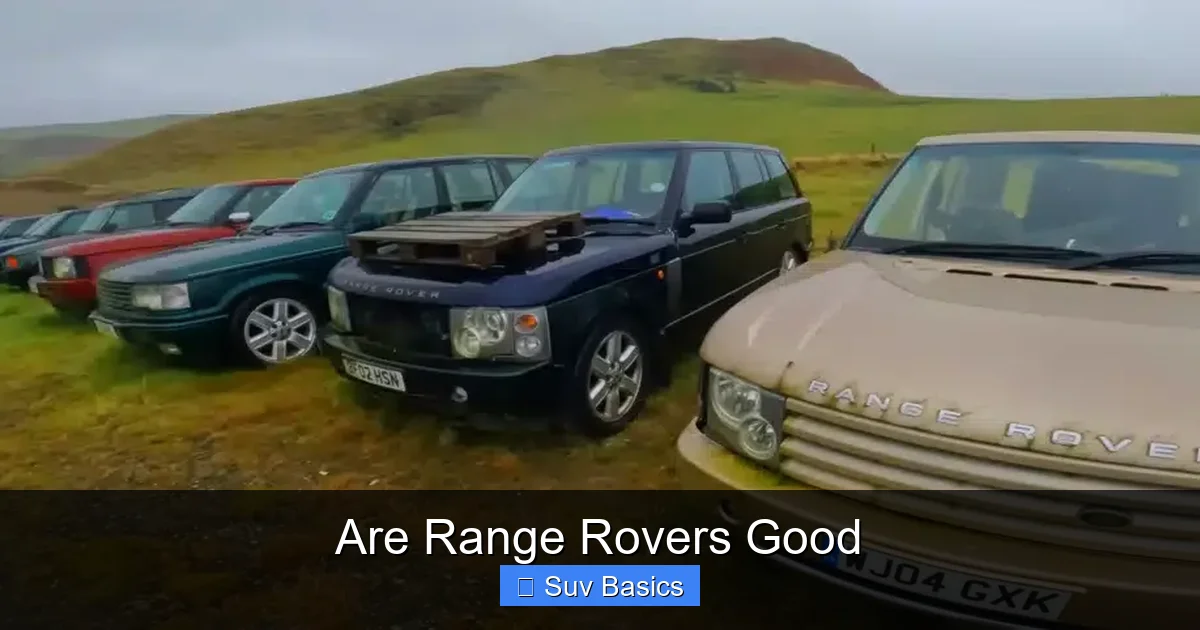
Visual guide about Are Range Rovers Good
Image source: cdn.bristolrovers.co.uk
The Range Rover has been a symbol of refined adventure since its debut in 1970. What started as a rugged off-roader has evolved into one of the most luxurious SUVs on the planet. Today’s Range Rover isn’t just about conquering trails—it’s about doing so in supreme comfort, with leather seats, ambient lighting, and a whisper-quiet cabin.
Land Rover, the parent company, has consistently pushed the envelope in both engineering and design. The modern Range Rover offers a seamless blend of old-school toughness and modern elegance. Whether you’re navigating city streets or muddy backroads, the Range Rover is built to handle it all—without sacrificing an ounce of sophistication.
Design and Craftsmanship
The exterior design is instantly recognizable. Clean lines, a floating roof, and a bold grille give it a timeless yet modern look. Inside, it’s a different world. Premium materials like Windsor leather, real wood trim, and soft-touch surfaces create a cabin that feels more like a first-class lounge than a car interior.
Even the base models come well-equipped, but higher trims like the Autobiography offer massaging seats, four-zone climate control, and rear-seat entertainment systems. It’s this attention to detail that sets the Range Rover apart from many competitors.
Technology and Infotainment
The latest Range Rovers feature a 13.1-inch curved touchscreen powered by Land Rover’s Pivi Pro infotainment system. It’s intuitive, responsive, and supports wireless Apple CarPlay and Android Auto. Over-the-air updates mean your SUV can improve over time, adding new features and fixing bugs without a dealership visit.
Additional tech includes a head-up display, a 3D surround camera system, and advanced driver-assistance features like adaptive cruise control and lane-keeping assist. While the tech is impressive, some users report occasional glitches—common in complex automotive systems.
Performance and Powertrains
Range Rovers are not just about looks—they’re seriously capable machines. Under the hood, you’ll find a range of engines designed to deliver both power and efficiency.
Engine Options
The current lineup includes several powertrains:
– A 3.0-liter inline-six mild-hybrid engine (395 hp)
– A 4.4-liter twin-turbo V8 (523 hp)
– A plug-in hybrid (PHEV) version combining a 3.0-liter engine with an electric motor (503 hp combined)
The mild-hybrid offers a great balance of performance and fuel economy, ideal for daily driving. The V8, found in the Range Rover SV and Autobiography models, delivers thrilling acceleration—0 to 60 mph in under 5 seconds. The PHEV version can travel up to 70 miles on electric power alone, making it a smart choice for eco-conscious luxury buyers.
Driving Dynamics
Despite their size, Range Rovers handle surprisingly well. The air suspension system adapts to road conditions, providing a smooth ride on highways and firm control during cornering. The steering is precise, and the all-wheel-drive system ensures excellent traction in rain, snow, or off-road terrain.
For those who enjoy spirited driving, the Dynamic Mode sharpens throttle response and stiffens the suspension. It’s not a sports car, but it’s far more agile than you’d expect from a vehicle this large.
Off-Road Prowess: Built for Adventure
One of the Range Rover’s strongest selling points is its off-road capability. It’s not just a luxury SUV—it’s a true off-roader with serious credentials.
Terrain Response System
The Terrain Response 2 system automatically adjusts the vehicle’s settings based on the driving surface. Whether you’re on sand, mud, snow, or rocks, the system optimizes traction, suspension, and throttle response. You can also manually select modes for more control.
Ground Clearance and Approach Angles
With up to 11.7 inches of ground clearance (thanks to the air suspension), the Range Rover can tackle steep inclines, deep ruts, and rocky trails with ease. The approach, departure, and breakover angles are designed for serious off-roading, rivaling dedicated 4x4s like the Jeep Wrangler.
Real-World Example
Imagine driving through a remote mountain pass after a heavy rain. Mud covers the road, and visibility is low. The Range Rover’s all-terrain progress control (ATPC) acts like cruise control for off-roading, maintaining a steady speed while you focus on steering. It’s features like this that make the Range Rover a favorite among adventurers and explorers.
Comfort and Interior Space
If luxury is your priority, the Range Rover delivers in spades. It’s designed to make every journey feel effortless.
Seating and Space
The standard five-seat configuration offers generous legroom and headroom in both rows. Opt for the long-wheelbase version, and you get a third row or extra rear legroom—perfect for families or executive transport.
The seats are heated, ventilated, and available with massage functions. Rear passengers enjoy their own climate controls, USB ports, and optional entertainment screens. It’s a cabin built for comfort, whether you’re commuting or on a cross-country trip.
Quiet and Refinement
Noise insulation is top-notch. Even at highway speeds, wind and road noise are minimal. The suspension absorbs bumps and potholes with ease, creating a floating sensation that’s hard to match.
For those who value peace and quiet, the Range Rover is one of the best SUVs on the market. It’s the kind of vehicle where you can have a conversation without raising your voice—even on rough roads.
Reliability and Ownership Costs
Here’s where things get tricky. While Range Rovers are impressive, they’re not without their flaws—especially when it comes to long-term reliability.
Reliability Ratings
Historically, Range Rovers have scored below average in reliability surveys from J.D. Power and Consumer Reports. Common issues include electrical glitches, air suspension failures, and transmission problems. However, newer models (2020 and later) have shown improvement, with better build quality and more robust electronics.
Maintenance and Repairs
Owning a Range Rover isn’t cheap. Routine maintenance is more expensive than average, and repairs can be costly—especially if you need to replace the air suspension or infotainment system. It’s wise to budget for annual maintenance and consider an extended warranty.
Fuel Economy
Fuel efficiency varies by engine. The mild-hybrid gets around 20–23 mpg combined, while the V8 drops to 15–17 mpg. The PHEV version offers the best of both worlds, with electric-only driving for short trips and gasoline power for longer journeys.
Insurance and Depreciation
Insurance premiums are higher than average due to the vehicle’s value and repair costs. Depreciation is steep in the first few years, but well-maintained models can retain value better than some rivals over time.
Are Range Rovers Worth It?
So, are Range Rovers good? The short answer is: yes—if you value luxury, capability, and brand prestige. They’re exceptional vehicles for those who want the best of both worlds: a smooth, comfortable ride on pavement and serious off-road ability when needed.
But they’re not for everyone. If you prioritize reliability and low ownership costs, a Lexus LX or Mercedes-Benz GLE might be a better fit. However, if you’re willing to accept higher maintenance costs for unparalleled comfort and style, the Range Rover is hard to beat.
For many owners, the joy of driving a Range Rover—the sense of occasion, the admiration from others, the confidence it inspires—makes the trade-offs worthwhile.
Frequently Asked Questions
Are Range Rovers reliable?
Range Rovers have historically had lower reliability ratings, especially in older models. However, recent versions (2020 and newer) show significant improvement in build quality and electronics. Regular maintenance is key to longevity.
How much does it cost to maintain a Range Rover?
Annual maintenance can range from $1,000 to $2,500, depending on the model and mileage. Repairs, especially for air suspension or electronics, can be expensive. An extended warranty is recommended.
Can a Range Rover really go off-road?
Yes. With advanced Terrain Response systems, high ground clearance, and robust all-wheel drive, Range Rovers are among the most capable luxury SUVs off-road. They can handle mud, sand, snow, and rocky trails with ease.
What’s the best engine for a Range Rover?
The 3.0-liter mild-hybrid offers the best balance of power, efficiency, and smoothness for daily driving. The PHEV is ideal for eco-conscious buyers, while the V8 suits those who want maximum performance.
Do Range Rovers hold their value?
They depreciate quickly in the first 2–3 years, but well-maintained models retain value better than some competitors over the long term. Higher trims and special editions tend to hold value better.
Is a Range Rover a good family SUV?
Yes, especially the long-wheelbase version. It offers spacious seating, advanced safety features, and a quiet, comfortable ride. The optional third row makes it suitable for larger families.