
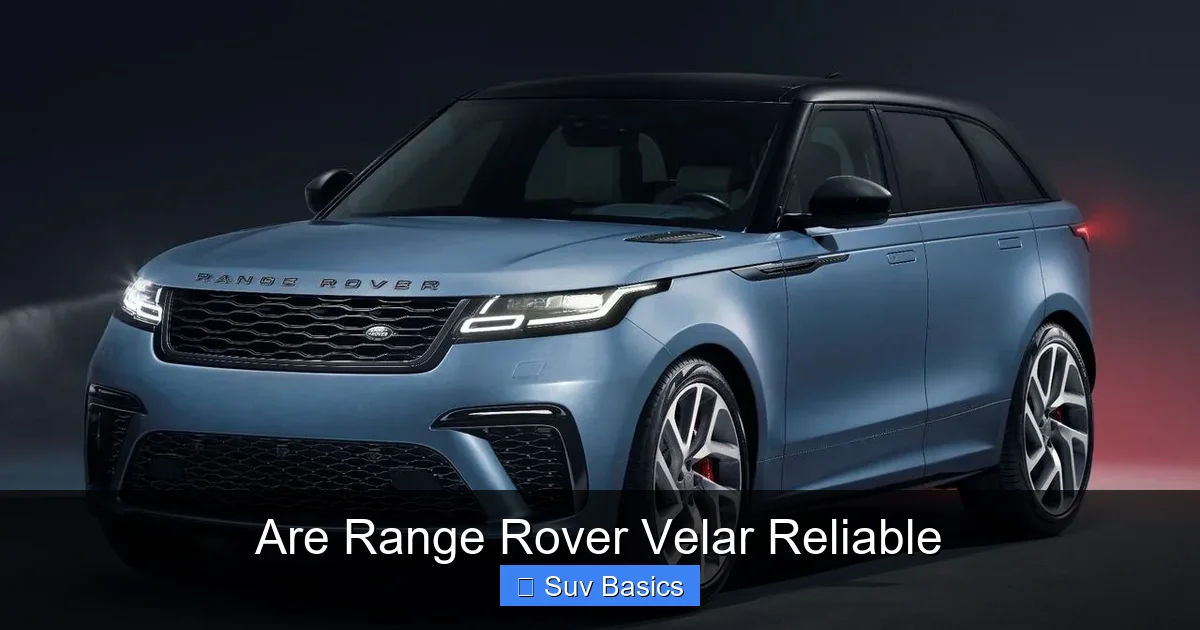
The Range Rover Velar blends sleek design with off-road capability, but reliability can vary by model year and maintenance habits. While it offers a premium driving experience, potential buyers should weigh common issues against its stylish appeal and advanced features.
Key Takeaways
- Mixed Reliability Ratings: The Velar scores average to below-average in long-term reliability studies, with some model years performing better than others.
- Common Mechanical Issues: Owners report problems with electronics, air suspension, and infotainment systems, especially in early 2018–2020 models.
- Importance of Maintenance: Regular servicing at authorized centers significantly improves longevity and reduces unexpected repairs.
- Strong Resale Value: Despite reliability concerns, the Velar holds its value well due to its desirable brand and design.
- Warranty and Extended Coverage: Land Rover’s warranty and optional extended plans can help manage repair costs for peace of mind.
- Owner Satisfaction: Many drivers love the Velar’s comfort and style, often accepting minor flaws for the overall luxury experience.
- Best Model Years: 2021 and newer models show improved reliability and updated software, making them smarter buys.
📑 Table of Contents
- Are Range Rover Velar Reliable? A Deep Dive into Real-World Performance
- Understanding Reliability: What the Data Says
- Common Issues in the Range Rover Velar
- Maintenance and Ownership Costs: What to Expect
- Best and Worst Model Years for Reliability
- Tips to Improve Your Velar’s Longevity
- Is the Range Rover Velar Worth It?
Are Range Rover Velar Reliable? A Deep Dive into Real-World Performance
When you think of luxury SUVs, the Range Rover Velar likely comes to mind. With its minimalist interior, floating roof design, and whisper-quiet cabin, it’s easy to fall in love at first sight. But beyond the glossy brochures and Instagram-worthy angles lies a more practical question: Are Range Rover Velar reliable? It’s a fair concern—especially when you’re investing upwards of $60,000 in a vehicle that promises both elegance and capability.
The short answer? The Velar is stylish, comfortable, and packed with tech, but its reliability isn’t as bulletproof as some competitors. Like many luxury vehicles, it trades some dependability for advanced features and high-end materials. That doesn’t mean it’s a bad choice—just that you’ll want to go in with your eyes open. Whether you’re eyeing a new model or a used one, understanding the common issues, maintenance needs, and owner experiences can help you make a smarter decision. If you are still deciding on a vehicle, you may want to check out our Ultimate 2024 Evaluation Guide.
Understanding Reliability: What the Data Says
Reliability isn’t just about whether a car starts every morning—it’s about how often it needs repairs, how expensive those repairs are, and how long it lasts without major issues. Organizations like J.D. Power, Consumer Reports, and What Car? have evaluated the Range Rover Velar, and the results are mixed.
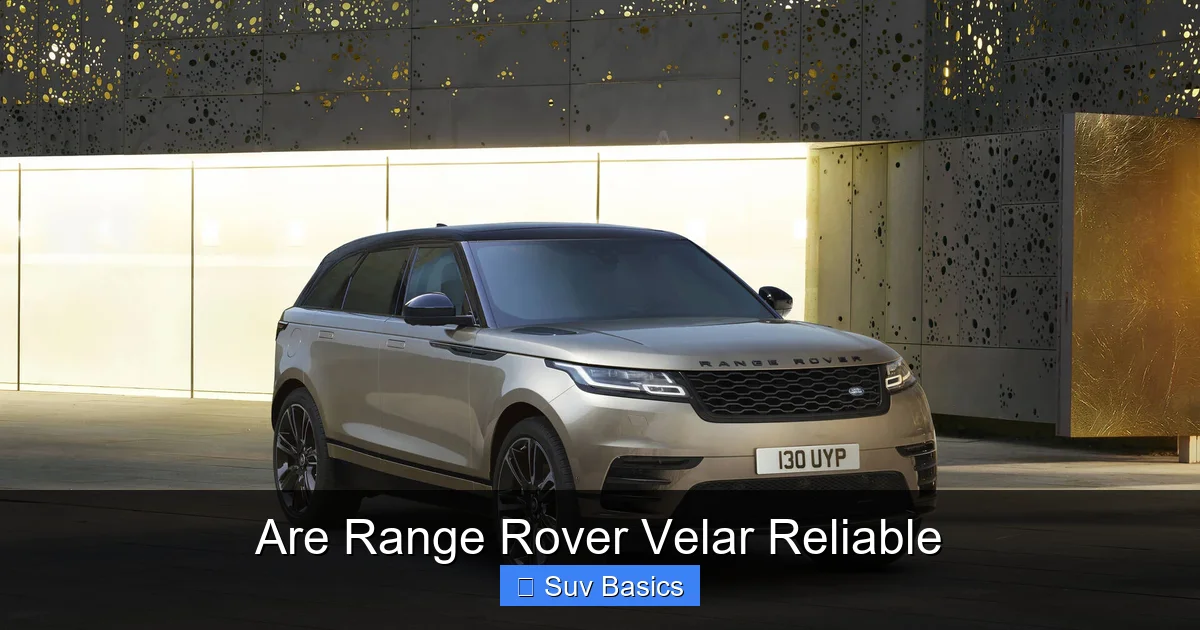
Visual guide about Are Range Rover Velar Reliable
Image source: i.gaw.to
J.D. Power and Consumer Reports Ratings
J.D. Power gives the Velar a below-average predicted reliability score, typically ranking it lower than rivals like the Lexus RX or Acura RDX. Consumer Reports echoes this sentiment, citing concerns about electrical systems and in-car electronics. In their 2023 reliability survey, Land Rover as a brand ranked near the bottom, with the Velar contributing to that trend.
What Car? Reliability Index
UK-based What Car? found that nearly 30% of Velar owners reported a fault within the first four years—higher than the industry average. The most common complaints involved the infotainment system, air suspension, and minor electrical glitches. Still, many owners said the issues were resolved under warranty, which helped maintain satisfaction.
Real Owner Experiences
Online forums like Reddit and Land Rover-specific communities reveal a split. Some owners praise their Velars for thousands of trouble-free miles, while others recount repeated visits to the dealership for software updates or sensor replacements. One 2019 Velar owner shared that their car spent two weeks in the shop fixing a faulty terrain response system—something that shouldn’t happen in a premium SUV.
Common Issues in the Range Rover Velar
No car is perfect, but the Velar has a few recurring problems that potential buyers should know about. Most of these aren’t deal-breakers, but they can be frustrating—and costly—if not addressed early.
Infotainment and Electronics Glitches
The Velar’s dual-touchscreen setup is sleek but can be glitchy. Owners report slow response times, frozen screens, and Bluetooth connectivity issues. In some cases, a simple software update fixes the problem, but others require hardware replacements. The good news? Land Rover has rolled out over-the-air updates in newer models to reduce these headaches.
Air Suspension Problems
The Velar’s air suspension delivers a smooth, floating ride—but it’s also a common failure point. Sensors can misread terrain, causing the car to ride too high or too low. In worst cases, air springs or compressors fail, leading to expensive repairs. A replacement compressor can cost over $1,500, and that’s before labor. Regular inspections and avoiding deep potholes can help prolong its life.
Engine and Transmission Concerns
Most Velars use either a 2.0-liter four-cylinder or a 3.0-liter inline-six engine, both paired with an 8-speed automatic. While generally smooth, some owners report hesitation during acceleration or rough shifting. These issues are often software-related and can be fixed with a dealership update. However, if left unchecked, they may point to deeper transmission wear.
Brake and Sensor Issues
The Velar’s advanced driver aids—like adaptive cruise control and lane-keeping assist—rely on cameras and sensors. Dirt, snow, or minor damage can cause false alerts or system shutdowns. One owner noted their parking sensors triggered constantly after a car wash, requiring a recalibration at the dealer.
Maintenance and Ownership Costs: What to Expect
Owning a Velar isn’t just about the sticker price. Maintenance, repairs, and fuel can add up quickly—especially if you skip routine care.
Routine Maintenance Schedule
Land Rover recommends servicing every 15,000 miles or 12 months, whichever comes first. This includes oil changes, brake inspections, and software checks. While that sounds reasonable, dealership labor rates are high—often $150–$200 per hour. A basic service can cost $300–$500, and that’s before any unexpected repairs.
Extended Warranty and Service Plans
Given the potential for costly fixes, many owners opt for an extended warranty. Land Rover offers certified pre-owned (CPO) coverage and optional extended plans that cover up to 7 years or 100,000 miles. These can be worth it if you plan to keep the car long-term. Third-party providers like CarShield also offer coverage, though terms vary.
DIY vs. Dealership Repairs
Some maintenance tasks—like oil changes and cabin air filter replacements—can be done at home with the right tools. But for anything involving the air suspension, electronics, or software, it’s best to go to a certified technician. Tampering with these systems can void your warranty or cause more damage.
Best and Worst Model Years for Reliability
Not all Velars are created equal. Some model years have fewer issues than others, so timing your purchase matters.
2018–2020: The Problematic Early Years
The first-generation Velars (2018–2020) had the most reported issues. Early software bugs, air suspension failures, and infotainment glitches were common. If you’re buying used, avoid high-mileage examples from this era unless they’ve had a full inspection and recent servicing.
2021 and Newer: Improved Reliability
Starting in 2021, Land Rover made significant updates. The infotainment system was upgraded to the newer Pivi Pro interface, which is faster and more reliable. Air suspension components were also revised, and over-the-air updates reduced the need for dealership visits. These changes make 2021+ models the best choice for reliability.
Hybrid and PHEV Options
The Velar P400e plug-in hybrid adds complexity with its electric motor and battery. While fuel-efficient, it introduces new potential failure points. Early PHEV models had software issues with charging and power delivery. If considering a hybrid, stick to 2022 or newer for the most stable experience. You might also want to explore the potential of crossover SUV hybrids before making your choice.
Tips to Improve Your Velar’s Longevity
You can’t change the car’s design, but you can influence how long it lasts. A few smart habits go a long way.
Stick to the Service Schedule
Don’t skip oil changes or ignore warning lights. Even small issues can snowball if left unchecked. Use only approved fluids and parts to avoid voiding your warranty.
Use Premium Fuel
The Velar’s engines are tuned for premium gasoline (91 octane or higher). Using regular fuel can reduce performance and increase engine wear over time.
Protect the Electronics
Keep the interior clean and avoid exposing screens to direct sunlight for long periods. Use a sunshade when parked, and update the software regularly through the infotainment system or dealer.
Drive Gently on Rough Terrain
While the Velar is capable off-road, frequent abuse can strain the air suspension and drivetrain. Use terrain response modes wisely, and avoid deep ruts or rocks unless necessary.
Is the Range Rover Velar Worth It?
So, after all this, should you buy a Range Rover Velar? The answer depends on your priorities.
If you value style, comfort, and cutting-edge tech—and you’re prepared for the occasional repair—the Velar is a compelling choice. It drives like a dream on the highway, turns heads in the parking lot, and offers a level of refinement few SUVs match. But if you’re looking for bulletproof reliability and low ownership costs, a Lexus or Acura might be a safer bet. For those looking for high-end luxury, check out these top luxury SUVs of 2024 to see how it stacks up.
For many owners, the trade-off is worth it. They accept the quirks because they love how the car makes them feel. And with proper care—especially in newer models—the Velar can deliver years of enjoyable driving.
Ultimately, the question “Are Range Rover Velar reliable?” doesn’t have a yes-or-no answer. It’s more about managing expectations. Do your research, choose a well-maintained example, and consider an extended warranty. Then, enjoy the ride—because when it’s working right, the Velar is truly something special.
Frequently Asked Questions
Is the Range Rover Velar expensive to maintain?
Yes, maintenance costs are higher than average due to premium parts and dealership labor rates. Routine services can cost $300–$500, and major repairs like air suspension can exceed $1,500.
Which Velar model year is the most reliable?
The 2021 and newer models are the most reliable, thanks to updated software, improved infotainment, and revised suspension components.
Do Velars have a lot of electrical problems?
Some owners report infotainment glitches, sensor errors, and software bugs—especially in 2018–2020 models. These are often fixable with updates or dealer repairs.
Can I drive a Velar off-road?
Yes, the Velar has strong off-road capability with terrain response modes and adjustable air suspension. However, frequent rough use can increase wear and repair risks.
Does the Velar hold its value well?
Yes, despite reliability concerns, the Velar retains strong resale value due to its desirable design and brand prestige.
Should I buy a used Range Rover Velar?
Only if it’s a 2021 or newer model with a full service history and warranty coverage. Avoid high-mileage early models unless thoroughly inspected.