

The Porsche Panamera blends luxury and performance, but reliability depends on model year, maintenance, and driving habits. While newer models show improved dependability, older versions may face electrical and transmission concerns. With proper care, the Panamera can be a surprisingly reliable high-performance sedan. For a broader perspective on utility vehicles, check out our SUV guide.
Key Takeaways
- Reliability varies by generation: Early Panamera models (2010–2016) had more reported issues, while newer models (2017+) benefit from improved engineering and technology.
- Regular maintenance is critical: Porsche’s high-performance systems demand timely servicing—skipping oil changes or ignoring warning lights can lead to costly repairs.
- Electrical and infotainment glitches are common: Some owners report software bugs, touchscreen freezes, and sensor malfunctions, especially in pre-2017 models.
- Transmission concerns in early automatics: The PDK dual-clutch transmission is generally robust, but early versions had occasional shifting hiccups and software-related delays.
- High repair costs are expected: Even with reliability improvements, parts and labor for a Panamera are significantly more expensive than average sedans.
- Hybrid models add complexity: The Panamera 4 E-Hybrid and Turbo S E-Hybrid offer efficiency but introduce battery and charging system considerations that affect long-term reliability.
- Owner satisfaction remains high: Despite potential issues, most Panamera owners praise its driving dynamics, comfort, and prestige, often outweighing reliability concerns.
📑 Table of Contents
- Are Porsche Panamera Reliable? A Deep Dive into Long-Term Performance
- Understanding Reliability: What Does It Really Mean?
- Common Reliability Issues in the Porsche Panamera
- Reliability by Generation: Which Panamera Is the Most Dependable?
- Tips to Maximize Your Panamera’s Reliability
- Owner Experiences: Real-World Reliability Insights
- Conclusion: Is the Porsche Panamera Reliable?
Are Porsche Panamera Reliable? A Deep Dive into Long-Term Performance
When you think of Porsche, images of roaring engines, sleek curves, and track-ready performance likely come to mind. But what about daily usability and long-term dependability? The Porsche Panamera, a luxury four-door sports sedan, has sparked debate among enthusiasts and everyday drivers alike: Are Porsche Panamera reliable? It’s not just a question of speed or style—it’s about whether this high-performance machine can stand the test of time without constant trips to the service center.
The Panamera first hit the market in 2009, challenging the notion that sports cars must be two-seaters. It combined the soul of a 911 with the practicality of a family sedan, offering all-wheel drive, spacious seating, and a hatchback for extra cargo room. But with such innovation came complexity. Early adopters quickly discovered that blending supercar DNA with luxury sedan features introduced unique reliability challenges. Today, over a decade later, the Panamera has evolved significantly. So, is it finally living up to Porsche’s legendary reputation for engineering excellence—or is it still a high-maintenance dream machine?
Understanding Reliability: What Does It Really Mean?
Before diving into the Panamera’s track record, it’s important to define what “reliability” means in the context of a luxury performance vehicle. Unlike economy cars built for maximum longevity with minimal cost, the Panamera is engineered for driving excitement, advanced technology, and premium materials. This means reliability isn’t just about avoiding breakdowns—it’s about consistent performance, minimal unexpected repairs, and long-term value retention.
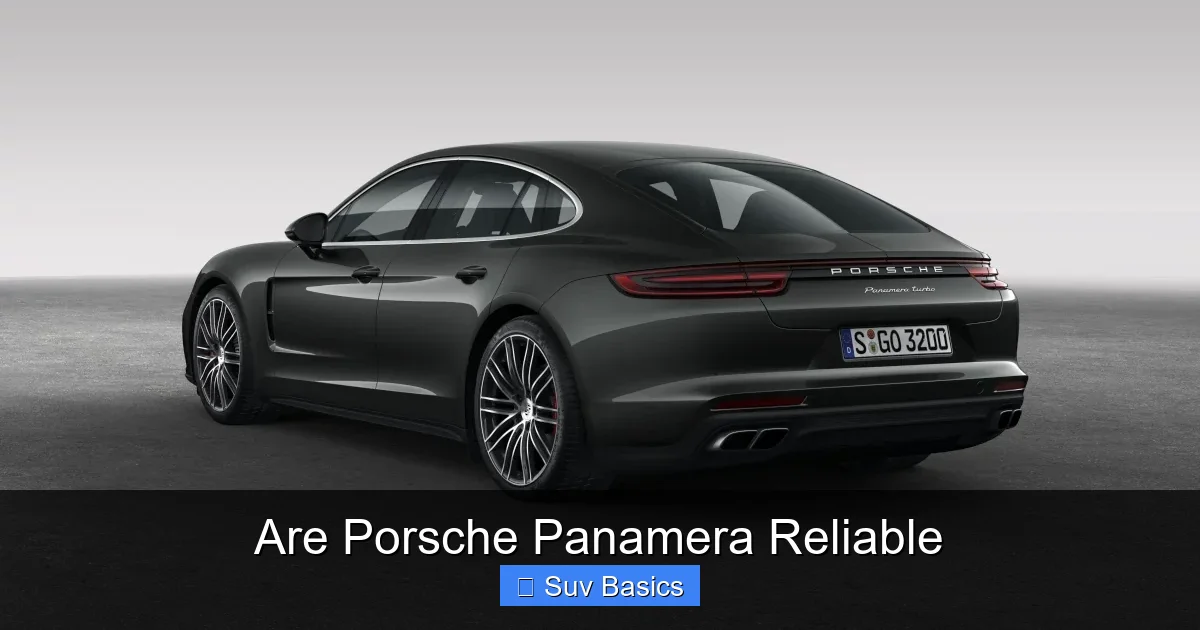
Visual guide about Are Porsche Panamera Reliable
Image source: porschereview.com
How Reliability Is Measured
Organizations like J.D. Power, Consumer Reports, and RepairPal assess vehicle reliability using owner surveys, repair frequency data, and cost-of-ownership metrics. For the Panamera, scores have improved over time. For example, the 2020–2023 models earned above-average ratings for dependability, especially in the luxury sedan category. However, earlier models (2010–2016) often ranked below average due to recurring mechanical and electrical issues.
The Role of Maintenance
One key factor in the Panamera’s reliability is how well it’s maintained. Porsche vehicles are precision instruments, and skipping scheduled services—like oil changes every 10,000 miles or brake fluid replacements every two years—can lead to accelerated wear. Owners who follow the maintenance schedule religiously report far fewer problems than those who delay or DIY repairs without proper tools or knowledge.
Common Reliability Issues in the Porsche Panamera
No car is perfect, and the Panamera is no exception. While it’s not plagued by widespread catastrophic failures, certain issues appear more frequently than others—especially in earlier generations.
Electrical and Infotainment Glitches
One of the most reported problems in pre-2017 Panamera models involves the PCM (Porsche Communication Management) system. Owners have experienced frozen touchscreens, unresponsive navigation, and Bluetooth pairing failures. In some cases, the system would reboot randomly while driving. Porsche has issued software updates over the years, but some older units still require dealership intervention.
Transmission and Drivetrain Concerns
The Panamera uses Porsche’s PDK (Porsche Doppelkupplung) dual-clutch automatic transmission, which is praised for lightning-fast shifts and smooth operation. However, early PDK units (2010–2014) occasionally exhibited hesitation during low-speed maneuvers or abrupt downshifts. These issues were largely resolved with software updates, but some owners still report occasional jerking in stop-and-go traffic.
Suspension and Air Ride Problems
Models equipped with adaptive air suspension (PASM) can develop leaks or compressor failures over time. The compressor, which maintains air pressure in the suspension bags, is located in the trunk and can wear out after 80,000–100,000 miles. Replacing it costs between $1,500 and $2,500, making it one of the pricier common repairs.
Engine and Cooling System
The Panamera offers a range of engines, from the 3.0L V6 to the twin-turbo 4.0L V8 in the Turbo models. While generally robust, the V8 engines can be prone to carbon buildup on intake valves (a common issue in direct-injection engines), leading to rough idling or reduced performance. Regular walnut blasting—a cleaning procedure—can prevent this. Additionally, some owners report coolant leaks from the water pump or thermostat housing, especially after 70,000 miles.
Reliability by Generation: Which Panamera Is the Most Dependable?
Not all Panamera models are created equal when it comes to reliability. Understanding the differences between generations can help you make a smarter purchase decision.
First Generation (2010–2016)
The original Panamera was groundbreaking but buggy. Early models suffered from a higher rate of electrical faults, transmission quirks, and interior trim issues (like peeling leather or sticky buttons). The 2010–2013 models are particularly known for PCM glitches and premature wear on suspension components. That said, well-maintained examples can still be reliable today—especially if they’ve had major services performed.
Second Generation (2017–2023)
The 2017 redesign brought a host of improvements: a lighter chassis, updated infotainment (PCM 4.0), better fuel efficiency, and enhanced build quality. Reliability scores jumped significantly. The 2018–2020 models are often considered the sweet spot—offering modern tech without the teething issues of the first year. The 2021+ models benefit from further refinements, including over-the-air software updates and improved hybrid systems.
Hybrid Models: A Mixed Bag
The Panamera 4 E-Hybrid and Turbo S E-Hybrid combine a gasoline engine with an electric motor for up to 31 miles of electric-only range. While they’re efficient and powerful, the added complexity of the hybrid system introduces new potential failure points. Battery degradation, charging port issues, and software integration problems have been reported, though not at alarming rates. Proper charging habits and regular diagnostics can mitigate these risks. For more on hybrid SUVs, see our luxury hybrid SUV overview.
Tips to Maximize Your Panamera’s Reliability
If you already own a Panamera—or are considering buying one—here are practical steps to keep it running smoothly for years.
Stick to the Maintenance Schedule
Porsche recommends service intervals based on time or mileage, whichever comes first. Don’t skip oil changes, brake fluid flushes, or spark plug replacements. Use only Porsche-approved fluids and parts to avoid compatibility issues.
Address Warning Lights Immediately
The Panamera’s onboard diagnostics are sophisticated. If the check engine light, ABS warning, or suspension alert appears, don’t ignore it. Early diagnosis can prevent minor issues from becoming major repairs.
Use Quality Fuel and Drive Responsibly
Premium fuel is required for optimal performance and engine longevity. Avoid short trips when possible—frequent cold starts increase engine wear. Let the car warm up before pushing the RPMs, especially in colder climates. If you’re considering luxury SUVs, our luxury SUV comparisons can help you decide.
Store and Charge Hybrids Properly
If you own a hybrid Panamera, avoid letting the battery sit at 0% for extended periods. Charge regularly and use the “Charge Now” feature to maintain battery health. Park in a garage during extreme temperatures to protect the battery.
Consider an Extended Warranty
Given the high cost of repairs, many owners opt for Porsche’s extended warranty or a third-party plan. This can provide peace of mind, especially for out-of-warranty vehicles or those with higher mileage.
Owner Experiences: Real-World Reliability Insights
Talking to actual Panamera owners reveals a nuanced picture. On forums like Rennlist and Porsche Club of America, many drivers report 100,000+ miles with only routine maintenance. One owner, Sarah from Colorado, shared: “My 2018 Panamera 4 has been flawless. I follow the service schedule, and it still feels like new at 85,000 miles.”
Others aren’t as lucky. A 2012 Panamera S owner in Florida noted multiple PCM reboots and a $2,200 air suspension repair at 68,000 miles. “It’s a beautiful car, but it’s not cheap to keep,” he said. “You have to be prepared for the costs.”
Overall, satisfaction remains high. The Panamera’s blend of performance, comfort, and prestige often outweighs reliability concerns—especially for those who view driving as an experience, not just transportation.
Conclusion: Is the Porsche Panamera Reliable?
So, are Porsche Panamera reliable? The answer isn’t a simple yes or no—it depends. If you’re looking at a well-maintained second-generation model (2017 or newer), the Panamera can be a surprisingly dependable luxury sedan with thrilling performance. However, older models and hybrid variants require more attention and a bigger repair budget.
Reliability improves dramatically with proper care, timely maintenance, and awareness of common issues. While it may never match the bulletproof reputation of a Toyota or Honda, the Panamera offers something those cars can’t: the soul of a sports car in a practical, four-door package. For the right owner—one who values driving excitement and is willing to invest in upkeep—the Panamera can be a rewarding, long-term companion.
Frequently Asked Questions
Is the Porsche Panamera reliable long-term?
The Panamera can be reliable long-term, especially models from 2017 onward. With proper maintenance and timely repairs, many owners report 100,000+ miles of trouble-free driving. Older models may require more frequent attention.
What are the most common problems with the Panamera?
Common issues include electrical glitches in the infotainment system, air suspension leaks, PDK transmission quirks in early models, and carbon buildup on direct-injection engines. Most are manageable with regular servicing.
Are Panamera repairs expensive?
Yes, repairs are significantly more expensive than average sedans. Labor rates at Porsche dealerships are high, and parts are premium-priced. Budgeting $1,500–$3,000 annually for maintenance and repairs is wise.
Is the hybrid Panamera reliable?
The hybrid models are generally reliable but add complexity with the electric motor and battery. Battery degradation and charging system issues can occur over time, though they’re not widespread.
Which year Panamera is the most reliable?
The 2018–2020 Panamera models are often considered the most reliable, offering updated technology, improved build quality, and fewer reported issues compared to earlier years.
Should I buy a used Porsche Panamera?
Yes, if you choose a well-documented, low-mileage example from 2017 or later. Always get a pre-purchase inspection by a Porsche specialist to uncover hidden issues and verify maintenance history.