

The Maserati Granturismo is a stunning Italian grand tourer with breathtaking style and performance, but reliability can be a concern compared to German rivals. While newer models have improved, owners must stay on top of maintenance to avoid costly repairs and enjoy long-term dependability.
Key Takeaways
- Stylish and powerful: The Granturismo delivers head-turning design and thrilling V8 performance, making it a dream for driving enthusiasts.
- Reliability varies by model year: Early models (2007–2012) had more mechanical and electrical issues, while post-2013 updates improved durability.
- High maintenance costs: Routine servicing and unexpected repairs can be expensive due to specialized parts and labor.
- Electrical gremlins are common: Owners often report glitches with infotainment, sensors, and dashboard warnings—especially in older versions.
- Proper care improves longevity: Regular servicing at authorized centers and using quality fluids can significantly boost reliability.
- Not ideal as a daily driver: Best suited for weekend use or occasional driving due to comfort compromises and upkeep demands.
- Strong resale depends on condition: Well-maintained examples hold value better, but neglected cars depreciate quickly.
📑 Table of Contents
- Are Maserati Granturismo Reliable? A Real-World Look
- Understanding the Granturismo’s Reputation
- Common Reliability Issues to Watch For
- Maintenance: The Key to Long-Term Reliability
- Ownership Costs: What to Expect
- Is the Granturismo Right for You?
Are Maserati Granturismo Reliable? A Real-World Look
When you think of Italian automotive passion, names like Ferrari and Lamborghini come to mind—but Maserati holds its own with a blend of elegance, performance, and heritage. The Maserati Granturismo, introduced in 2007, was designed as a grand tourer meant to cruise comfortably over long distances while delivering spine-tingling acceleration. With its muscular V8 engine, sleek coupe body, and that iconic trident badge, it’s hard not to fall in love at first sight.
But beauty, as they say, is only skin deep—especially when it comes to reliability. While the Granturismo excels in style and driving dynamics, its dependability has been a topic of debate among owners and experts alike. Unlike German competitors such as the Porsche 911 or Mercedes-AMG GT, which are known for engineering precision and long-term reliability, the Granturismo often requires more attention under the hood. So, are Maserati Granturismo reliable? The short answer is: it depends. Much like a high-performance thoroughbred, this car rewards careful handling and consistent care—but neglect it, and you might be in for some expensive surprises.
Understanding the Granturismo’s Reputation
The Maserati Granturismo has always been more about emotion than practicality. It’s a car that turns heads at red lights, purrs like a contented lion at idle, and roars to life when you press the throttle. But that emotional appeal comes with trade-offs. Over the years, the Granturismo has developed a reputation for being temperamental—especially in its earlier years. If you’re looking for a luxury alternative with potentially lower maintenance, consider exploring luxury SUV options such as the luxury SUV options such as the top picks for 2024.
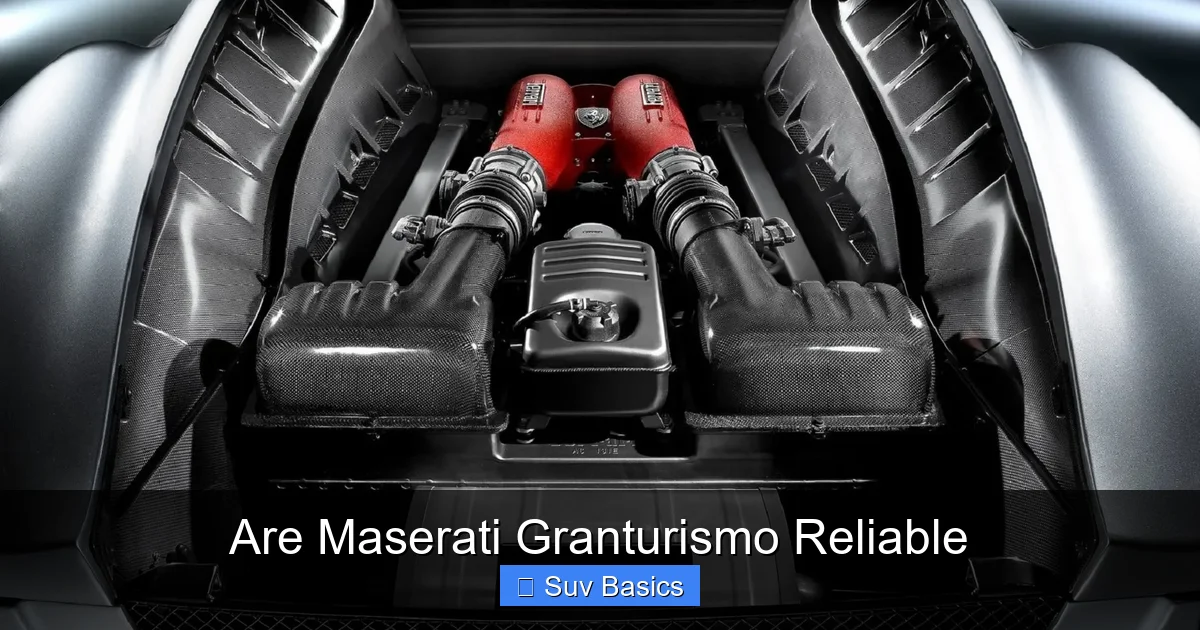
Visual guide about Are Maserati Granturismo Reliable
Image source: motorbiscuit.com
Early Model Concerns (2007–2012)
The first generation of the Granturismo, produced from 2007 to 2012, is where most reliability concerns stem from. Owners frequently reported issues with the electrical system, including malfunctioning infotainment screens, faulty parking sensors, and erratic dashboard warnings. The climate control system was another weak point, with some drivers experiencing complete failures in extreme temperatures.
Mechanically, the 4.2L and 4.7L V8 engines are robust when properly maintained, but they’re not immune to problems. Timing chain tensioners, water pumps, and alternators have been known to fail prematurely—especially if oil changes are skipped or delayed. One owner in California reported a $4,500 repair bill after a timing chain issue caused engine damage, a problem that could have been avoided with timely servicing.
Improvements in Later Models (2013–2019)
Starting in 2013, Maserati made several updates to address early complaints. The infotainment system was revised, and electrical components were upgraded for better durability. The introduction of the Granturismo MC (Maserati Corse) and later the MC Centennial edition brought improved build quality and attention to detail.
Still, even newer models aren’t flawless. While major engine failures are less common, owners still report occasional glitches—like the car failing to start due to a faulty battery sensor or the adaptive suspension acting up on rough roads. These issues don’t necessarily mean the car is unreliable, but they do highlight that the Granturismo requires a more hands-on approach than, say, a Lexus or BMW.
Common Reliability Issues to Watch For
If you’re considering buying a used Maserati Granturismo, it’s essential to know what to look for. While no car is perfect, some problems are more prevalent than others.
Electrical System Glitches
One of the most frequently cited issues is the car’s electrical system. From flickering interior lights to unresponsive touchscreens, these problems can be frustrating and costly to fix. The Granturismo uses a complex network of sensors and control modules, and when one fails, it can trigger a cascade of warning lights on the dashboard.
For example, a common issue is the “Check Engine” light coming on due to a faulty oxygen sensor—even when the engine is running fine. While this might seem minor, ignoring it can lead to reduced fuel efficiency and potential damage to the catalytic converter over time.
Suspension and Brake Wear
The Granturismo’s sport-tuned suspension delivers a firm, responsive ride, but it also wears out faster than softer setups. Components like control arms, bushings, and shock absorbers may need replacement every 50,000 to 70,000 miles—especially if the car is driven aggressively or on rough roads.
Brake pads and rotors also wear quickly due to the car’s weight and performance-oriented setup. Owners who track their cars or drive spiritedly may find themselves replacing brakes every 20,000 to 30,000 miles. While this is normal for a high-performance vehicle, it’s something to budget for.
Transmission and Drivetrain Concerns
The Granturismo comes with a six-speed automatic or optional six-speed manual transmission. The automatic, built by ZF, is generally reliable but can develop shifting harshness over time if the transmission fluid isn’t changed regularly. Maserati recommends a fluid change every 60,000 miles, but many owners skip this service—leading to premature wear.
The rear differential is another area to monitor. Some owners have reported whining noises or fluid leaks, which can indicate worn gears or seals. Replacing a differential can cost upwards of $3,000, so it’s wise to have it inspected during pre-purchase inspections.
Maintenance: The Key to Long-Term Reliability
Here’s the good news: the Maserati Granturismo can be reliable—if you treat it right. Like any high-performance machine, it thrives on attention and care. Neglect it, and you’ll pay the price. But follow a disciplined maintenance routine, and it can deliver years of thrilling drives.
Stick to the Service Schedule
Maserati provides a detailed maintenance schedule, and sticking to it is non-negotiable. This includes oil changes every 7,500 miles (or annually), brake fluid flushes every two years, and spark plug replacements every 60,000 miles. Using high-quality synthetic oil and OEM parts is crucial—cheap alternatives can lead to engine sludge or premature wear.
One owner in Florida credits his Granturismo’s smooth operation to religiously following the service schedule at a Maserati dealership. “I’ve had it for eight years and 60,000 miles,” he says. “No major issues—just regular oil changes and brake jobs. It still feels like new.”
Use Authorized Service Centers
While independent shops may offer lower labor rates, Maserati’s systems are complex and require specialized diagnostic tools. Authorized service centers have trained technicians who understand the nuances of the Granturismo’s engine, electronics, and suspension. They’re also more likely to use genuine parts, which are designed to meet the car’s exact specifications.
That said, labor costs at dealerships can be steep—often $150 to $200 per hour. To save money, some owners perform basic maintenance themselves (like oil changes and air filter replacements) and only visit the dealer for major services or recalls.
Monitor Fluid Levels and Tire Wear
Regularly check engine oil, coolant, brake fluid, and transmission fluid levels. Low or dirty fluids can cause serious damage. Also, inspect tires for uneven wear, which could indicate alignment or suspension issues. The Granturismo’s wide rear tires can be expensive to replace—up to $400 each for high-performance rubber—so proper alignment and rotation are essential.
Ownership Costs: What to Expect
Owning a Maserati Granturismo isn’t just about the purchase price—it’s about the ongoing costs. Insurance, fuel, maintenance, and repairs all add up. On average, owners report annual maintenance costs between $2,000 and $4,000, depending on mileage and driving habits. For those interested in comparing luxury SUVs that might offer better value, check out our detailed comparisons.
Fuel economy is another consideration. The V8 engine delivers thrilling performance but drinks premium gasoline at a rate of 13–16 mpg in the city and 20–23 mpg on the highway. With gas prices fluctuating, this can be a significant expense over time.
Depreciation is steep, especially for older models. A 2010 Granturismo might have cost $100,000 new but could be worth less than $30,000 today. However, well-maintained low-mileage examples—especially the MC or Centennial editions—can hold their value better.
Is the Granturismo Right for You?
So, are Maserati Granturismo reliable? The answer isn’t black and white. If you’re looking for a daily driver that’s hassle-free and budget-friendly, this isn’t the car for you. But if you’re a driving enthusiast who values style, sound, and soul over practicality, the Granturismo can be a deeply rewarding companion.
It’s best suited for weekend cruises, road trips, or special occasions—not stop-and-go traffic or long commutes. And if you’re willing to invest time and money into maintenance, you’ll be rewarded with a car that feels alive every time you drive it.
In the end, the Granturismo is more than just transportation. It’s a statement. And like any statement piece, it demands care, attention, and a little bit of love.
Frequently Asked Questions
Is the Maserati Granturismo reliable for daily driving?
The Granturismo is not ideal for daily use due to high maintenance costs, stiff suspension, and potential electrical issues. It’s better suited for occasional or weekend driving where its performance and style can shine. If you need a practical daily driver, many luxury SUVs provide similar comfort with lower upkeep.
What are the most common problems with the Maserati Granturismo?
Common issues include electrical glitches (infotainment, sensors), suspension wear, brake degradation, and occasional engine components like water pumps or timing chains failing if not properly maintained.
How often should I service my Maserati Granturismo?
Follow the manufacturer’s schedule: oil changes every 7,500 miles, brake fluid every 2 years, and major services every 30,000–60,000 miles. Regular inspections help catch problems early.
Can I save money by using an independent mechanic?
Yes, for basic services like oil changes or brake jobs. However, for complex electronics or engine work, a Maserati-certified technician with proper diagnostic tools is recommended to avoid costly mistakes.
Do newer Granturismo models have better reliability?
Yes, models from 2013 onward have seen improvements in build quality, electrical systems, and engine durability, making them more reliable than early versions—though they still require diligent care.
What should I check before buying a used Maserati Granturismo?
Have a pre-purchase inspection done by a Maserati specialist. Focus on engine condition, transmission health, electrical systems, suspension components, and service history to avoid hidden issues.