

Land Rover Range Rovers offer luxury and off-road capability, but their reliability has been a mixed bag over the years. While newer models show improvement, they still lag behind some competitors in long-term dependability—especially if maintenance is neglected.
Key Takeaways
- Mixed Reliability Record: Range Rovers have historically scored below average in reliability studies, though recent models are improving.
- High Maintenance Costs: Repairs and servicing can be expensive due to complex electronics and premium parts.
- Electrical and Software Glitches: Common issues include infotainment system failures, sensor malfunctions, and software bugs.
- Engine and Transmission Concerns: Some models have experienced timing chain problems, oil leaks, and transmission hiccups.
- Importance of Regular Maintenance: Staying on top of scheduled service greatly improves longevity and reduces breakdowns.
- Strong Resale Value Despite Issues: High demand for used Range Rovers keeps resale values relatively strong.
- Best for Luxury Lovers, Not Budget Buyers: Ideal if you prioritize comfort and prestige over low ownership costs.
📑 Table of Contents
- Are Land Rover Range Rovers Reliable? The Real Answer
- What the Data Says About Range Rover Reliability
- Common Reliability Issues in Range Rovers
- How Newer Models Compare to Older Ones
- Tips to Improve Your Range Rover’s Reliability
- Is a Range Rover Right for You?
- Final Thoughts: Balancing Luxury and Reliability
Are Land Rover Range Rovers Reliable? The Real Answer
If you’re considering a Land Rover Range Rover, you’re probably drawn to its sleek design, plush interior, and legendary off-road prowess. But beneath that polished exterior lies a question many buyers wrestle with: Are Range Rovers actually reliable? For a general overview of what defines an SUV, see our SUVs Explained guide.
The short answer? It depends. Range Rovers blend luxury and performance like few other SUVs, but their reliability has been a point of debate for years. While they’re built to handle everything from city streets to rugged trails, they’ve also earned a reputation for being finicky—especially when it comes to electronics and long-term durability.
In this guide, we’ll break down the real story behind Range Rover reliability. We’ll look at what owners say, what experts report, and how newer models compare to older ones. Whether you’re eyeing a brand-new Range Rover or a certified pre-owned model, understanding its reliability can save you time, money, and headaches down the road.
What the Data Says About Range Rover Reliability
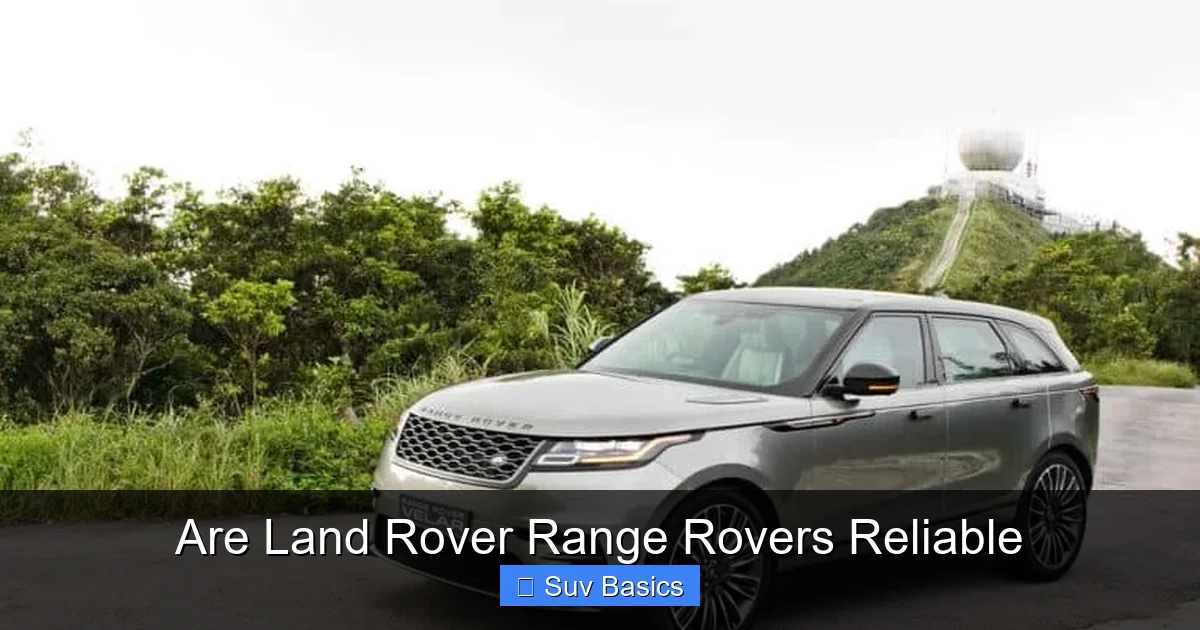
Visual guide about Are Land Rover Range Rovers Reliable
Image source: autocareaids.com
Reliability ratings from trusted sources like J.D. Power, Consumer Reports, and RepairPal consistently place Land Rover—and the Range Rover specifically—below average. For example, Consumer Reports gave the 2023 Range Rover a predicted reliability score of just 30 out of 100, one of the lowest in the luxury SUV category.
That said, it’s not all bad news. J.D. Power’s 2023 Vehicle Dependability Study showed slight improvement for Land Rover compared to previous years, suggesting that the brand is making progress. Still, they ranked near the bottom among all automakers.
Why the low scores? It often comes down to frequency of repairs and cost. Range Rovers are packed with advanced technology—adaptive air suspension, terrain response systems, and high-end infotainment—all of which can malfunction. And when they do, fixing them isn’t cheap.
Owner Experiences: The Good, the Bad, and the Expensive
Talk to Range Rover owners, and you’ll hear a mix of glowing praise and frustrating complaints. Many love the ride quality, interior comfort, and commanding driving position. “It feels like you’re floating on air,” says one owner of a 2021 model. “But I’ve had the infotainment screen go black twice.”
Common issues reported by owners include:
- Infotainment system freezing or rebooting
- Air suspension leaks or failures
- Battery drain or electrical gremlins
- Transmission shifting roughly
- Sunroof or window motor problems
These problems often appear after the warranty period, which can be a financial burden. A single air suspension repair can cost over $2,000, and software updates may require a trip to the dealership.
Common Reliability Issues in Range Rovers
Let’s dive deeper into the most frequent problems that affect Range Rover reliability.
Electrical and Infotainment Glitches
Range Rovers are loaded with tech, and that’s both a blessing and a curse. The Pivi Pro infotainment system, introduced in newer models, is sleek and responsive—but not immune to bugs. Owners report random reboots, slow response times, and connectivity issues with Apple CarPlay and Android Auto.
These aren’t just annoyances. A malfunctioning system can disable navigation, climate control, or even safety features like blind-spot monitoring. Dealerships often resolve these with software updates, but some issues require hardware replacements.
Air Suspension Failures
One of the Range Rover’s signature features is its adaptive air suspension, which delivers a smooth, adjustable ride. However, it’s also a common point of failure. Over time, air springs can develop leaks, and compressors may wear out—especially in older models or vehicles driven off-road frequently.
Symptoms include a sagging rear end, warning lights on the dashboard, or a rough ride. Replacing air springs can cost $800–$1,500 per corner, and the compressor runs another $1,000–$2,000. Some owners opt for coil spring conversions to avoid future issues, though this changes the vehicle’s ride characteristics.
Engine and Transmission Concerns
Range Rovers come with a range of engines, including turbocharged four-cylinders, V6s, and V8s. While generally powerful, some have had reliability hiccups.
For example, early versions of the 3.0L V6 (used in models from 2013–2018) were known for timing chain issues that could lead to engine damage if not addressed. Oil leaks from the valve cover gasket are also common and relatively easy to fix—if caught early.
Transmission problems, such as rough shifting or delayed engagement, have been reported in both automatic and hybrid models. Regular fluid changes and software updates can help, but major transmission repairs are costly.
Battery and Charging System Problems
Modern Range Rovers rely heavily on electrical systems, including start-stop technology and hybrid powertrains. This puts extra strain on the battery and charging system.
Owners often report premature battery failure, especially in colder climets. The vehicle’s complex electronics can also cause parasitic drain, where the battery slowly loses charge even when the car is off. A failing alternator or faulty control module can make this worse.
How Newer Models Compare to Older Ones
There’s no denying that older Range Rovers—particularly those from the 2000s and early 2010s—have a rougher reputation. Models like the L322 (2003–2012) were plagued by electrical gremlins, air suspension woes, and build quality inconsistencies. To see how SUVs have evolved over the years, check out our history of SUVs.
But Land Rover has made strides in recent years. The current generation (L460, introduced in 2022) features a more robust electrical architecture, improved build quality, and over-the-air software updates—something that helps fix bugs without a dealership visit.
Improvements in the Latest Range Rover
The 2023 and 2024 Range Rovers benefit from:
- Redesigned Pivi Pro infotainment with faster processing
- Enhanced driver assistance features with better reliability
- More durable air suspension components
- Stronger focus on quality control during manufacturing
Early owner feedback suggests fewer major issues, though some minor glitches still pop up. The hybrid and plug-in hybrid (PHEV) versions add complexity, but Land Rover has worked to improve battery management and charging reliability.
That said, even new models aren’t immune to problems. A 2023 Range Rover might still need a software update or a sensor replacement within the first year. But the frequency and severity of issues appear to be decreasing.
Tips to Improve Your Range Rover’s Reliability
If you already own a Range Rover—or are planning to buy one—there are steps you can take to boost its dependability.
Stick to the Maintenance Schedule
This can’t be stressed enough. Range Rovers require regular servicing, including oil changes, brake fluid flushes, and air filter replacements. Skipping maintenance is a fast track to expensive repairs.
For example, failing to replace the timing chain tensioner on time can lead to catastrophic engine damage. Similarly, ignoring a small oil leak can result in low oil levels and engine wear.
Use a Trusted Land Rover Specialist
While dealerships offer expertise, they’re also expensive. Many owners find value in independent shops that specialize in Land Rovers. These mechanics often have the same diagnostic tools and experience at a lower cost.
Just make sure they’re certified and use genuine or high-quality aftermarket parts.
Address Warning Lights Immediately
Don’t ignore that check engine light or suspension warning. Early diagnosis can prevent small issues from becoming big ones. For instance, a faulty oxygen sensor might seem minor, but it can reduce fuel efficiency and damage the catalytic converter over time.
Consider an Extended Warranty
Given the potential for high repair costs, an extended warranty (also called a vehicle service contract) can provide peace of mind. Just read the fine print—some exclude wear items like air springs or batteries.
Drive It Regularly
Range Rovers aren’t meant to sit in the garage. Infrequent use can lead to battery drain, stiff suspension components, and moisture buildup in the fuel system. Even a short weekly drive helps keep systems active and healthy.
Is a Range Rover Right for You?
So, are Land Rover Range Rovers reliable? The honest answer is: they’re improving, but they’re not the most dependable SUVs on the market. If you’re looking for a no-fuss, low-maintenance vehicle, a Toyota or Honda might be a better fit.
But if you value luxury, prestige, and off-road capability—and you’re prepared for the potential costs—a Range Rover can be a rewarding choice. Just go in with your eyes open.
Who Should Buy a Range Rover?
- Luxury seekers who prioritize comfort and style
- Off-road enthusiers who want a capable SUV
- Buyers who can afford higher maintenance and repair costs
- Those who plan to keep the vehicle for a shorter term (3–5 years)
Who Should Think Twice?
- Budget-conscious buyers
- People who need a daily driver with minimal downtime
- Those who dislike frequent trips to the mechanic
- First-time luxury SUV owners unfamiliar with high-end maintenance
Final Thoughts: Balancing Luxury and Reliability
The Range Rover remains one of the most iconic SUVs in the world. It blends elegance, performance, and capability in a way few competitors can match. But its reliability history means it’s not for everyone.
With proper care, a Range Rover can serve you well for many years. But it demands attention, timely maintenance, and a willingness to invest in repairs when needed. If you’re ready for that commitment, the driving experience may just be worth it.
In the end, the question isn’t just “Are Range Rovers reliable?”—it’s “Are they reliable enough for your lifestyle and budget?” For the right buyer, the answer is a confident yes.
Frequently Asked Questions
Are Range Rovers expensive to maintain?
Yes, Range Rovers are significantly more expensive to maintain than average SUVs. Routine services, parts, and labor costs are higher due to their luxury components and specialized engineering.
Do Range Rovers break down a lot?
They have a higher-than-average breakdown rate compared to mainstream brands, especially older models. However, newer Range Rovers are showing improved reliability with fewer major issues.
What year Range Rover is the most reliable?
Recent models, particularly the 2022 and newer L460 generation, are considered the most reliable due to updated technology, better build quality, and improved diagnostics.
Can you drive a Range Rover every day?
Yes, many people use Range Rovers as daily drivers. Just be prepared for higher fuel consumption, maintenance costs, and the possibility of unexpected repairs.
Do Range Rovers have transmission problems?
Some models, especially older ones, have experienced transmission issues like rough shifting or delayed response. Regular fluid changes and software updates can help prevent these problems.
Is it worth buying a used Range Rover?
It can be, if you find a well-maintained example with a full service history. Opt for certified pre-owned models with extended warranties to reduce risk.