
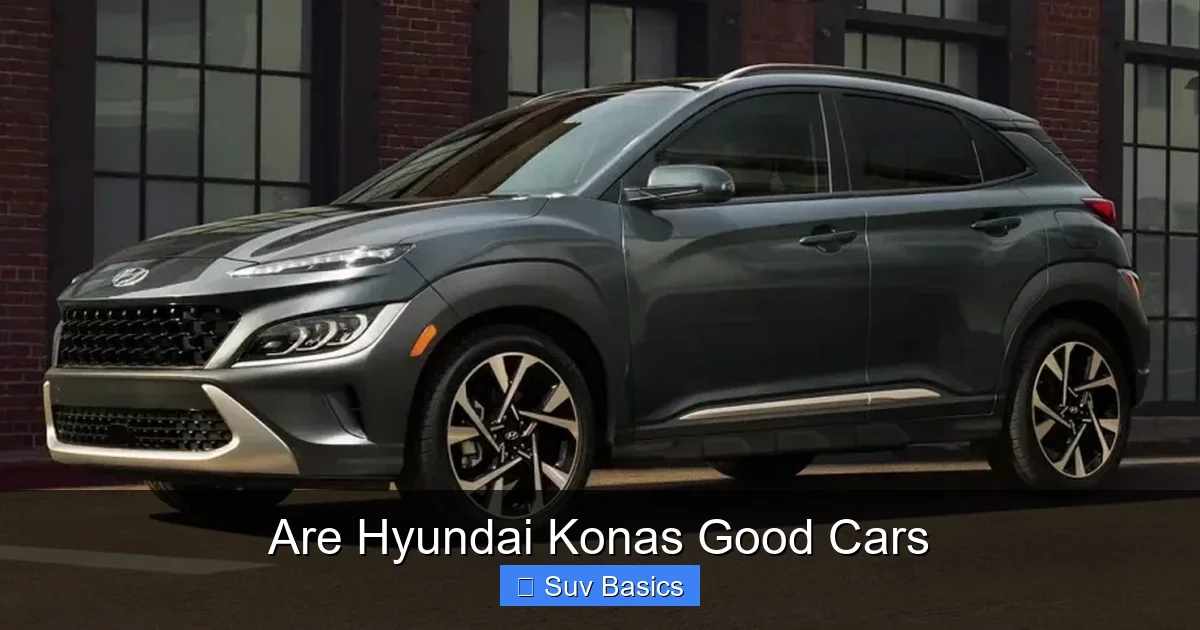
The Hyundai Kona is a standout in the subcompact SUV segment, offering a blend of style, tech, and practicality at an affordable price. With strong safety ratings, efficient engines, and a comfortable ride, it’s a smart choice for city commuters and small families alike.
If you’re in the market for a compact SUV that doesn’t compromise on style, safety, or technology, the Hyundai Kona deserves a serious look. Launched in 2018, the Kona quickly gained popularity for its bold design and well-rounded performance. Whether you’re navigating tight city streets or taking weekend road trips, this subcompact SUV aims to deliver a smooth, enjoyable driving experience. But are Hyundai Konas good cars? Let’s dive in and find out.
Hyundai has built a reputation for offering reliable, feature-packed vehicles at accessible prices, and the Kona is a prime example of that philosophy. It competes with popular models like the Honda HR-V, Toyota C-HR, and Mazda CX-30. What sets the Kona apart is its combination of modern tech, strong safety credentials, and a surprisingly fun-to-drive character—especially in the higher trims. From daily commutes to spontaneous adventures, the Kona is designed to keep up with your lifestyle.
Key Takeaways
- Excellent Safety Ratings: The Hyundai Kona earns top marks from the IIHS and NHTSA, making it one of the safest cars in its class.
- Fuel-Efficient and Eco-Friendly Options: With a standard 2.0L engine and an available hybrid or electric version, the Kona delivers impressive fuel economy.
- Modern Tech and Infotainment: Features like Apple CarPlay, Android Auto, and an intuitive touchscreen come standard across all trims.
- Compact Yet Spacious Interior: Despite its small footprint, the Kona offers surprising passenger comfort and usable cargo space.
- Strong Warranty Coverage: Hyundai backs the Kona with a 5-year/60,000-mile basic warranty and 10-year/100,000-mile powertrain warranty.
- Stylish and Bold Design: The Kona stands out with its aggressive front grille, LED lighting, and available two-tone roof options.
- Great Value for Money: Priced competitively, the Kona delivers premium features without the premium price tag.
📑 Table of Contents
- Performance and Engine Options
- Interior Comfort and Cargo Space
- Technology and Infotainment
- Safety Ratings and Reliability
- Trim Levels and Pricing
- Ownership Experience and Warranty
- Final Verdict: Are Hyundai Konas Good Cars?
Performance and Engine Options
The Hyundai Kona offers a few different powertrain choices, so you can pick the one that best fits your driving needs. The base model comes with a 2.0-liter four-cylinder engine that produces 147 horsepower. It’s paired with a continuously variable transmission (CVT), which helps maximize fuel efficiency. While it’s not the most powerful engine on the block, it’s more than adequate for city driving and light highway cruising.
For those who want a bit more pep, the turbocharged 1.6-liter four-cylinder engine is a game-changer. Available in the SEL, N Line, and Limited trims, this engine delivers 195 horsepower and 195 lb-ft of torque. It’s mated to a seven-speed dual-clutch automatic transmission, which shifts quickly and smoothly. The turbo engine gives the Kona a sportier feel, making it more engaging to drive, especially when merging onto highways or passing slower traffic.
Fuel Economy: Efficiency That Pays Off
One of the biggest selling points of the Hyundai Kona is its fuel efficiency. The 2.0-liter engine gets an EPA-estimated 28 mpg in the city and 35 mpg on the highway. That’s impressive for a vehicle in this class. If you do a lot of city driving, those numbers translate into fewer trips to the gas station and more money in your pocket.
The turbocharged version is slightly less efficient but still respectable, with ratings of 26 mpg city and 32 mpg highway. And if you’re looking for even better fuel economy—or want to go fully electric—Hyundai offers the Kona Electric, which boasts an EPA-estimated range of up to 258 miles on a single charge. That makes it one of the most affordable long-range EVs on the market.
All-Wheel Drive: Tackling Tough Conditions
While the base Kona comes with front-wheel drive, all-wheel drive (AWD) is available on most trims. This is a big plus if you live in an area with snow, rain, or rough terrain. The AWD system automatically sends power to the rear wheels when it detects slippage, improving traction and stability. It’s not designed for serious off-roading, but it handles light trails and slippery roads with confidence.
Interior Comfort and Cargo Space
Visual guide about Are Hyundai Konas Good Cars
Image source: motorbiscuit.com
Step inside the Hyundai Kona, and you’ll find a cabin that punches above its weight class. The materials are a mix of soft-touch plastics and durable fabrics, giving it a modern, upscale feel. Higher trims add leather upholstery, heated front seats, and a heated steering wheel—features you’d expect in more expensive SUVs.
Seating is comfortable for four adults, with decent legroom in the back. Taller passengers might find headroom a bit tight, especially with the sunroof, but overall, it’s a pleasant space for short to medium-length trips. The front seats offer good support, and the driving position is upright and commanding, which helps with visibility.
Cargo Capacity: Practical for Everyday Use
With the rear seats up, the Kona offers 19.2 cubic feet of cargo space. That’s enough for groceries, gym bags, or a weekend’s worth of luggage. Fold down the 60/40-split rear seats, and you get up to 45.8 cubic feet—plenty for larger items like camping gear or furniture. The cargo floor is adjustable, so you can create a flat loading surface or add hidden storage underneath.
There are also plenty of small storage compartments throughout the cabin, including door pockets, a center console bin, and cupholders. It’s clear Hyundai thought about real-world usability when designing the Kona’s interior.
Technology and Infotainment
Hyundai has loaded the Kona with tech features that make driving safer and more enjoyable. Even the base SE trim comes with an 8-inch touchscreen, Apple CarPlay, Android Auto, and Bluetooth connectivity. That means you can easily connect your smartphone and access your favorite apps, music, and navigation without fumbling with cords.
Available Upgrades for a Premium Feel
Step up to higher trims, and you’ll find even more advanced features. The Limited trim, for example, includes a 10.25-inch digital instrument cluster, a premium Bose audio system, and wireless device charging. The navigation system is responsive and easy to use, and the voice recognition works well for hands-free commands.
One standout feature is Hyundai’s Blue Link connected services, which offer remote start, vehicle locator, and emergency assistance via a smartphone app. It’s a nice touch that adds peace of mind, especially for parents or frequent travelers.
Safety Tech That Protects
The Kona comes standard with Hyundai’s SmartSense suite of driver-assistance features. This includes forward collision warning, automatic emergency braking, lane departure warning, and driver attention monitoring. Higher trims add blind-spot monitoring, rear cross-traffic alert, and adaptive cruise control. These features help prevent accidents and make long drives less stressful.
Safety Ratings and Reliability
When it comes to safety, the Hyundai Kona doesn’t cut corners. It earned a Top Safety Pick award from the Insurance Institute for Highway Safety (IIHS) in recent years, thanks to strong crash test results and advanced safety tech. The National Highway Traffic Safety Administration (NHTSA) also gave it a five-star overall safety rating.
Real-World Safety Performance
In real-world scenarios, the Kona’s safety systems have proven effective. For example, the forward collision warning has helped drivers avoid rear-end crashes in stop-and-go traffic. The lane-keeping assist gently steers the car back into its lane if it starts to drift—great for long highway trips when fatigue sets in.
Hyundai’s reputation for reliability also adds to the Kona’s appeal. According to J.D. Power and Consumer Reports, Hyundai vehicles consistently rank above average in dependability. The Kona has had few major recalls, and owners report few mechanical issues over time.
Trim Levels and Pricing
The Hyundai Kona is available in several trim levels: SE, SEL, N Line, and Limited. Each adds more features and performance upgrades. The SE is the most affordable, starting around $23,000, while the Limited can reach $30,000 or more with options.
Which Trim Is Right for You?
If you’re on a budget but still want modern features, the SE or SEL trims are great choices. The SEL adds more safety tech and comfort features like dual-zone climate control and a power-adjustable driver’s seat. The N Line is perfect for driving enthusiasts who want the turbo engine and sport-tuned suspension. And if you want all the bells and whistles, the Limited trim delivers luxury-level amenities at a mainstream price.
Ownership Experience and Warranty
One of the biggest advantages of buying a Hyundai is the warranty. The Kona comes with a 5-year/60,000-mile basic warranty and a 10-year/100,000-mile powertrain warranty. That’s one of the best in the industry and gives buyers confidence in the vehicle’s long-term reliability.
Maintenance and Service Costs
Routine maintenance for the Kona is affordable. Oil changes, tire rotations, and brake inspections are reasonably priced, and Hyundai offers service specials through its dealership network. The Kona also uses regular unleaded fuel, so you won’t need to pay extra for premium gas.
Many owners report low repair costs and high satisfaction with dealership service. Hyundai’s growing network of service centers also makes it easy to get support wherever you are.
Final Verdict: Are Hyundai Konas Good Cars?
So, are Hyundai Konas good cars? The answer is a resounding yes—especially if you’re looking for a compact SUV that offers great value, modern tech, and strong safety credentials. It’s not the most powerful or spacious vehicle in its class, but it makes up for it with style, efficiency, and reliability.
Whether you choose the fuel-efficient base model, the sporty N Line, or the eco-friendly Electric version, the Kona delivers a well-rounded driving experience. It’s ideal for urban drivers, young professionals, and small families who want a vehicle that’s practical, safe, and fun to drive.
In a crowded market of subcompact SUVs, the Hyundai Kona stands out as a smart, sensible choice. With its bold design, impressive warranty, and thoughtful features, it’s easy to see why so many drivers are choosing the Kona as their go-to ride.
Frequently Asked Questions
Is the Hyundai Kona reliable?
Yes, the Hyundai Kona is considered reliable. It has strong ratings from J.D. Power and Consumer Reports, with few major mechanical issues reported by owners. Hyundai’s excellent warranty also adds to its dependability.
How much does a Hyundai Kona cost?
The Hyundai Kona starts around $23,000 for the base SE trim. Higher trims like the Limited can cost $30,000 or more, depending on options and packages.
Does the Hyundai Kona have all-wheel drive?
Yes, all-wheel drive is available on most trims, including the SEL, N Line, and Limited. It improves traction in wet or snowy conditions.
What is the fuel economy of the Hyundai Kona?
The base 2.0L engine gets up to 28 mpg city and 35 mpg highway. The turbocharged 1.6L version gets 26 mpg city and 32 mpg highway.
Is the Hyundai Kona a good car for families?
Yes, the Kona is a great choice for small families. It offers good safety ratings, comfortable seating for four, and enough cargo space for everyday needs.
Does the Hyundai Kona come in an electric version?
Yes, the Hyundai Kona Electric is available with an EPA-estimated range of up to 258 miles. It’s one of the most affordable long-range EVs on the market.