
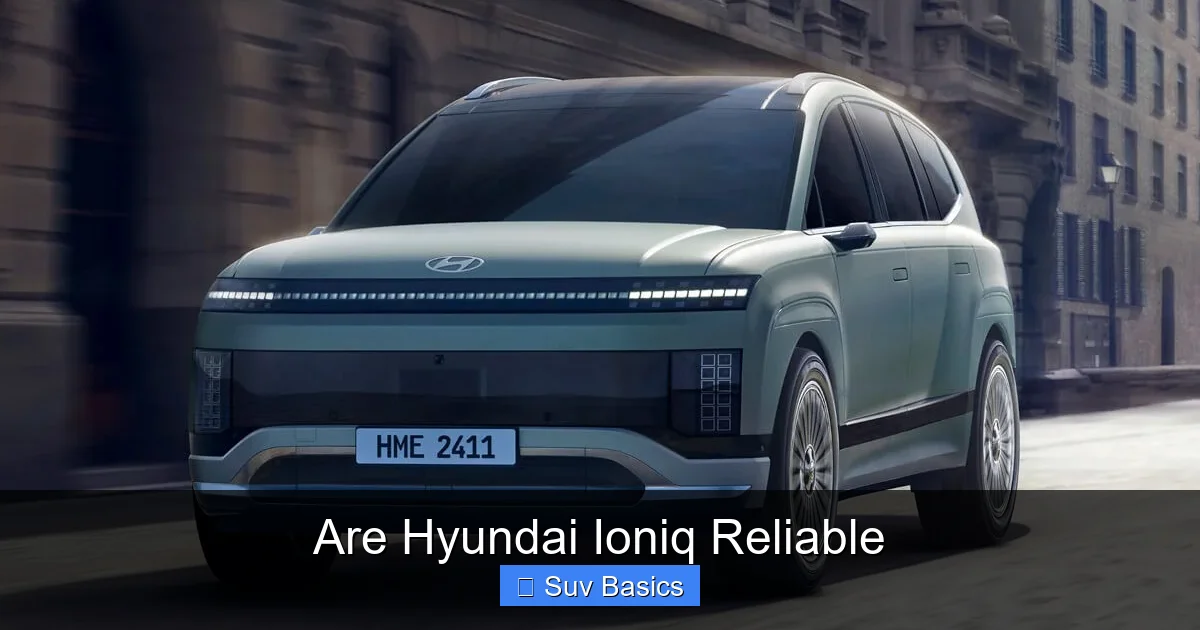
The Hyundai Ioniq is widely regarded as a reliable hybrid and electric vehicle, praised for its strong warranty, low maintenance costs, and consistent performance. With high safety ratings and positive owner feedback, it’s a smart choice for eco-conscious drivers seeking dependability.
If you’re in the market for a fuel-efficient, eco-friendly car that won’t leave you stranded with constant repairs, the Hyundai Ioniq deserves a serious look. Launched in 2016, the Ioniq lineup includes hybrid, plug-in hybrid, and fully electric versions—all built on the same efficient platform. But the big question on most buyers’ minds is simple: Are Hyundai Ioniq reliable?
If you’re also interested in larger family vehicles, our guide on SUVs offers valuable insights.
The short answer? Yes—very. Over the past several years, the Ioniq has built a solid reputation for dependability, earning praise from industry experts, safety organizations, and everyday drivers alike. Whether you’re commuting to work, running errands around town, or taking a weekend road trip, the Ioniq is designed to deliver consistent performance with minimal hassle.
What makes the Ioniq stand out isn’t just its green credentials—it’s the combination of affordability, advanced technology, and long-term reliability. Hyundai has worked hard to position the Ioniq as a practical alternative to pricier hybrids and EVs, and it shows in the ownership experience. From its smooth ride to its intuitive infotainment system, the Ioniq feels well-built and thoughtfully engineered.
Key Takeaways
- Excellent Reliability Ratings: The Hyundai Ioniq consistently earns high marks from J.D. Power and Consumer Reports for long-term dependability.
- Strong Manufacturer Warranty: Hyundai backs the Ioniq with a 10-year/100,000-mile powertrain warranty, one of the best in the industry.
- Low Maintenance Costs: Hybrid and electric Ioniq models require fewer repairs and less frequent servicing than traditional gas vehicles.
- High Safety Scores: The Ioniq earns top marks from the IIHS and NHTSA, with advanced driver-assistance features standard on most trims.
- Positive Owner Satisfaction: Real-world users report smooth driving experiences, great fuel economy, and minimal mechanical issues.
- Eco-Friendly Without Compromise: Whether you choose the hybrid, plug-in hybrid, or fully electric version, the Ioniq delivers efficiency without sacrificing reliability.
📑 Table of Contents
- Hyundai Ioniq Reliability Ratings and Expert Reviews
- Warranty and Long-Term Protection
- Maintenance and Repair Costs
- Safety Ratings and Driver-Assistance Features
- Performance and Driving Experience
- Conclusion: Is the Hyundai Ioniq Reliable?
Hyundai Ioniq Reliability Ratings and Expert Reviews
When it comes to measuring reliability, third-party evaluations from trusted sources like J.D. Power, Consumer Reports, and RepairPal offer valuable insights. The Hyundai Ioniq consistently performs well across these platforms, often ranking above average in its class.
J.D. Power gives the Ioniq a solid reliability score, particularly for its hybrid and electric variants. In their Vehicle Dependability Study, Hyundai as a brand has climbed the ranks in recent years, and the Ioniq plays a big role in that success. Consumer Reports also praises the Ioniq for its low predicted reliability issues, especially in the hybrid model, which has proven to be exceptionally durable over time.
One reason for this strong performance is Hyundai’s focus on proven technology. Rather than rushing untested systems into production, the Ioniq uses refined hybrid and electric powertrains that have been optimized for longevity. For example, the hybrid version uses a 1.6-liter four-cylinder engine paired with an electric motor—a setup that’s both efficient and mechanically simple, reducing the chance of breakdowns.
Real-World Owner Experiences
Beyond the numbers, real owners tell a compelling story. On forums like Reddit, Edmunds, and Hyundai-specific communities, Ioniq drivers frequently report trouble-free ownership. Common themes include smooth acceleration, quiet operation, and minimal visits to the service center.
One owner from California shared that after 60,000 miles in their Ioniq Hybrid, they’ve only needed routine maintenance—oil changes, tire rotations, and brake inspections. “I’ve never had a single unexpected repair,” they said. “It just keeps going.”
Another driver in the Pacific Northwest praised the Ioniq Electric for its cold-weather performance. “Even in winter, the battery holds up well, and the cabin heats up quickly. I’ve had no issues with range or charging.”
These anecdotes reflect a broader trend: the Ioniq is built to last. While no car is completely immune to problems, the Ioniq’s track record suggests it’s one of the more dependable options in the green vehicle segment.
Warranty and Long-Term Protection
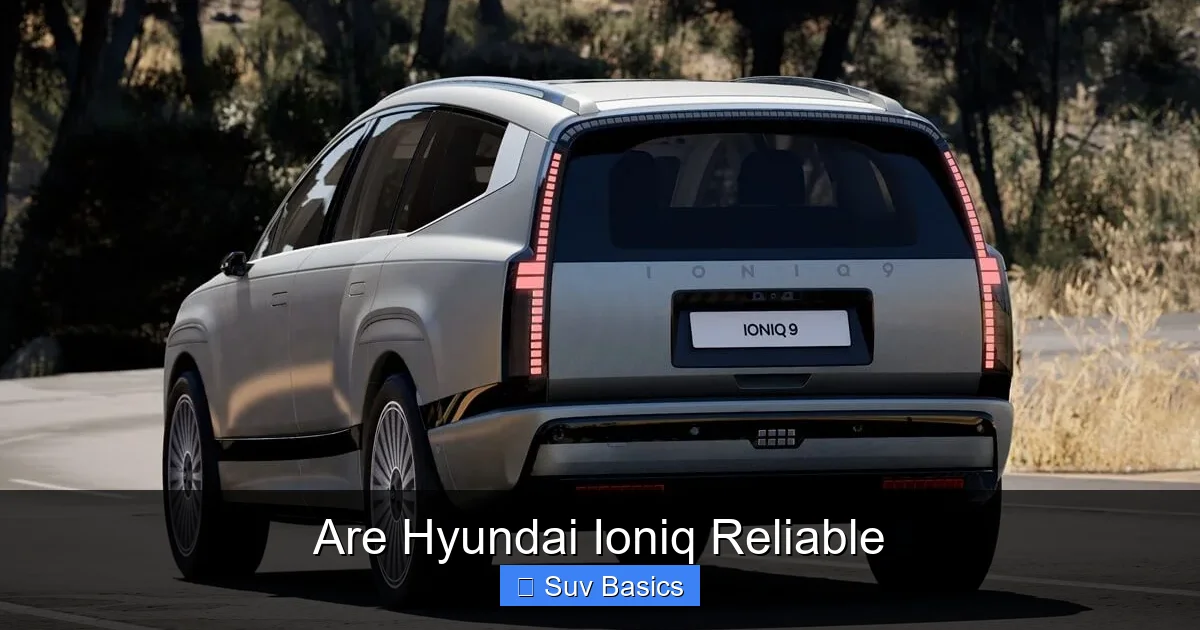
Visual guide about Are Hyundai Ioniq Reliable
Image source: autotijd.be
One of the biggest factors contributing to the Ioniq’s reliability reputation is Hyundai’s industry-leading warranty. The brand offers a 10-year/100,000-mile powertrain warranty, which covers the engine, transmission, and key hybrid/electric components. This is significantly longer than what most competitors offer—Toyota and Honda, for example, typically provide 8-year/100,000-mile coverage on hybrid systems.
This extended warranty gives buyers peace of mind, knowing that major repairs are covered for nearly a decade. It also signals Hyundai’s confidence in the Ioniq’s engineering. After all, a company wouldn’t back a vehicle so heavily if it expected frequent failures.
In addition to the powertrain coverage, the Ioniq comes with a 5-year/60,000-mile new vehicle limited warranty and 7 years of anti-perforation protection. For electric models, the high-voltage battery is covered for 10 years or 100,000 miles—ensuring that one of the most critical (and expensive) components is protected.
What’s Covered—and What’s Not
While the warranty is generous, it’s important to understand what it includes. The powertrain warranty covers the engine, transmission, drive shafts, and hybrid/electric motor components. However, wear-and-tear items like brake pads, tires, and wiper blades are not included.
Regular maintenance is still required to keep the warranty valid. This includes oil changes every 7,500 to 10,000 miles (depending on driving conditions), brake fluid checks, and battery system inspections for electric models. Following the recommended service schedule helps ensure your Ioniq stays in top shape—and keeps your warranty intact.
Maintenance and Repair Costs
Another key aspect of reliability is cost of ownership. The Hyundai Ioniq shines here, too. According to RepairPal, the average annual repair cost for the Ioniq is around $389—well below the national average of $652 for all vehicles. This lower cost is due in part to the simplicity of hybrid and electric systems, which have fewer moving parts than traditional internal combustion engines.
For example, the Ioniq Hybrid uses regenerative braking, which reduces wear on brake pads and rotors. Over time, this can save hundreds of dollars in brake maintenance. Similarly, the electric motor eliminates the need for oil changes, spark plugs, and exhaust system repairs—common expenses in gas-powered cars.
If you’re curious about hybrid SUVs, take a look at our overview of the Toyota Highlander Hybrid SUV.
Common Maintenance Tasks
While the Ioniq is low-maintenance, it’s not maintenance-free. Here are some routine tasks to keep in mind:
- Oil Changes: Required every 7,500 to 10,000 miles for hybrid models. Electric versions don’t need oil changes.
- Tire Rotations: Recommended every 5,000 to 7,500 miles to ensure even wear.
- Brake Inspections: Even with regenerative braking, mechanical brakes should be checked annually.
- 12-Volt Battery Check: The auxiliary battery (used for starting and accessories) should be tested every few years.
- High-Voltage Battery Health: For electric models, Hyundai recommends periodic diagnostics to monitor battery performance.
Most of these tasks can be handled at any Hyundai service center, and many are included in the complimentary maintenance program offered during the first few years of ownership.
Safety Ratings and Driver-Assistance Features
Reliability isn’t just about mechanical performance—it’s also about safety. The Hyundai Ioniq excels in this area, earning top honors from both the Insurance Institute for Highway Safety (IIHS) and the National Highway Traffic Safety Administration (NHTSA).
The 2023 Ioniq Hybrid, for example, received a Top Safety Pick+ award from the IIHS, the organization’s highest honor. It scored “Good” in all crashworthiness tests and “Superior” for front crash prevention. The NHTSA also gave the Ioniq a 5-star overall safety rating, praising its structural integrity and advanced safety tech.
Standard Safety Technology
One reason for these high scores is the inclusion of Hyundai’s SmartSense suite of driver-assistance features. These are standard on nearly all Ioniq trims and include:
These features not only enhance safety but also reduce driver stress, making the Ioniq a great choice for long commutes or highway driving.
Performance and Driving Experience
Reliability isn’t just about avoiding breakdowns—it’s also about enjoying the drive. The Hyundai Ioniq delivers a smooth, quiet, and responsive experience across all three powertrains.
The Ioniq Hybrid offers up to 58 mpg in the city, making it one of the most fuel-efficient non-plug-in hybrids on the market. The plug-in hybrid version adds an electric-only range of about 29 miles, perfect for short commutes without using gas. The fully electric Ioniq Electric provides up to 170 miles of range (depending on the model year), with quick acceleration and instant torque.
Handling and Comfort
Despite its focus on efficiency, the Ioniq doesn’t feel underpowered. The hybrid and plug-in models use a 6-speed dual-clutch automatic transmission, which provides smoother shifts than the continuously variable transmissions (CVTs) found in many competitors. The electric version uses a single-speed reducer, delivering seamless power delivery.
Ride quality is another strong point. The suspension is tuned for comfort, absorbing bumps and potholes with ease. Interior materials are high-quality for the price range, with soft-touch surfaces and intuitive controls. The cabin is also well-insulated, keeping road and wind noise to a minimum.
Conclusion: Is the Hyundai Ioniq Reliable?
So, are Hyundai Ioniq reliable? Based on expert reviews, owner feedback, warranty coverage, and real-world performance, the answer is a resounding yes. The Ioniq stands out as one of the most dependable hybrid and electric vehicles available today.
Whether you choose the hybrid, plug-in hybrid, or electric model, you’re getting a well-engineered car backed by one of the best warranties in the industry. It’s efficient, safe, and built to last—making it a smart investment for eco-conscious drivers who value reliability.
If you’re looking for a vehicle that combines sustainability with peace of mind, the Hyundai Ioniq is well worth a test drive. With its strong track record and low cost of ownership, it’s easy to see why so many drivers are choosing the Ioniq for their daily transportation needs.
For those wanting to compare with hybrid SUVs, check out our feature on the Ford Hybrid SUV.
Frequently Asked Questions
How long does the Hyundai Ioniq battery last?
The high-voltage battery in the Ioniq Electric and Plug-in Hybrid is designed to last for many years. Hyundai covers it under a 10-year/100,000-mile warranty, and most owners report minimal degradation over time with proper care.
Is the Hyundai Ioniq expensive to maintain?
No, the Ioniq is relatively inexpensive to maintain. Thanks to fewer moving parts and regenerative braking, repair and service costs are lower than average. Routine maintenance like oil changes and tire rotations are affordable and infrequent.
Does the Ioniq have a good safety record?
Yes, the Ioniq has an excellent safety record. It earns top ratings from the IIHS and NHTSA and comes standard with advanced safety features like automatic emergency braking and lane-keeping assist.
Can the Hyundai Ioniq handle long road trips?
Absolutely. The hybrid and plug-in hybrid models are ideal for long drives, offering excellent fuel economy and a comfortable ride. The electric version is better suited for shorter trips due to its limited range, but it’s perfect for daily commuting.
What is the fuel economy of the Hyundai Ioniq Hybrid?
The Ioniq Hybrid delivers up to 58 mpg in the city and 55 mpg on the highway, making it one of the most fuel-efficient hybrids available. Actual mileage may vary based on driving conditions and habits.
Is the Hyundai Ioniq a good used car buy?
Yes, the Ioniq is a strong choice in the used market. Its reliability, low maintenance costs, and strong warranty (which often transfers to new owners) make it a smart purchase for budget-conscious buyers.