

Car prices are finally starting to drop after years of record highs, especially in the used vehicle and SUV markets. Increased inventory, higher interest rates, and improved supply chains are helping bring costs down—giving buyers more negotiating power than they’ve had in years.
Key Takeaways
- New car prices are stabilizing: After pandemic-driven spikes, new vehicle MSRPs are leveling off, with some brands offering discounts and incentives.
- Used car prices have dropped significantly: Prices for used vehicles, including SUVs, are down 10–15% from 2022 peaks due to increased supply and reduced demand.
- SUVs are seeing the biggest price corrections: Popular midsize and compact SUVs are more affordable now, with dealers eager to move inventory.
- Interest rates still impact affordability: Even with lower sticker prices, higher loan rates can offset savings—so shop financing carefully.
- Electric and hybrid SUVs remain pricey: While gas-powered SUVs are getting cheaper, EVs and plug-in hybrids still command a premium.
- Timing matters: End-of-year and end-of-quarter sales often bring the best deals on new and used SUVs.
- Negotiation is back: With more cars on lots, dealers are more willing to negotiate—don’t accept the first offer.
📑 Table of Contents
- Are Car Prices Dropping? The 2024 Market Reality
- Why Car Prices Are Falling in 2024
- SUV Prices: Where the Biggest Drops Are Happening
- New vs. Used: Which Is the Better Deal?
- The Impact of Interest Rates on Affordability
- Electric and Hybrid SUVs: Still a Premium
- When Is the Best Time to Buy an SUV?
- Conclusion: Yes, Car Prices Are Dropping—But Stay Smart
Are Car Prices Dropping? The 2024 Market Reality
If you’ve been eyeing a new SUV or holding off on upgrading your ride, you’re not alone. For the past few years, car prices—especially for SUVs—have felt out of reach for many buyers. From pandemic-related factory shutdowns to semiconductor shortages, the auto industry faced a perfect storm that drove prices to historic highs. But now, things are shifting.
In 2024, there’s growing evidence that car prices are finally dropping—or at the very least, stabilizing. While they haven’t returned to pre-pandemic levels, the rapid inflation of the past few years has slowed dramatically. For SUV buyers, this is welcome news. Whether you’re looking for a rugged off-roader, a family-friendly three-row, or a fuel-efficient compact, the market is becoming more buyer-friendly. If you are still unsure which SUV is right for you, this market shift provides a great opportunity to test different models.
So, what’s behind this change? And how can you take advantage of it? Let’s break down the current state of car prices and what it means for your next SUV purchase.
Why Car Prices Are Falling in 2024
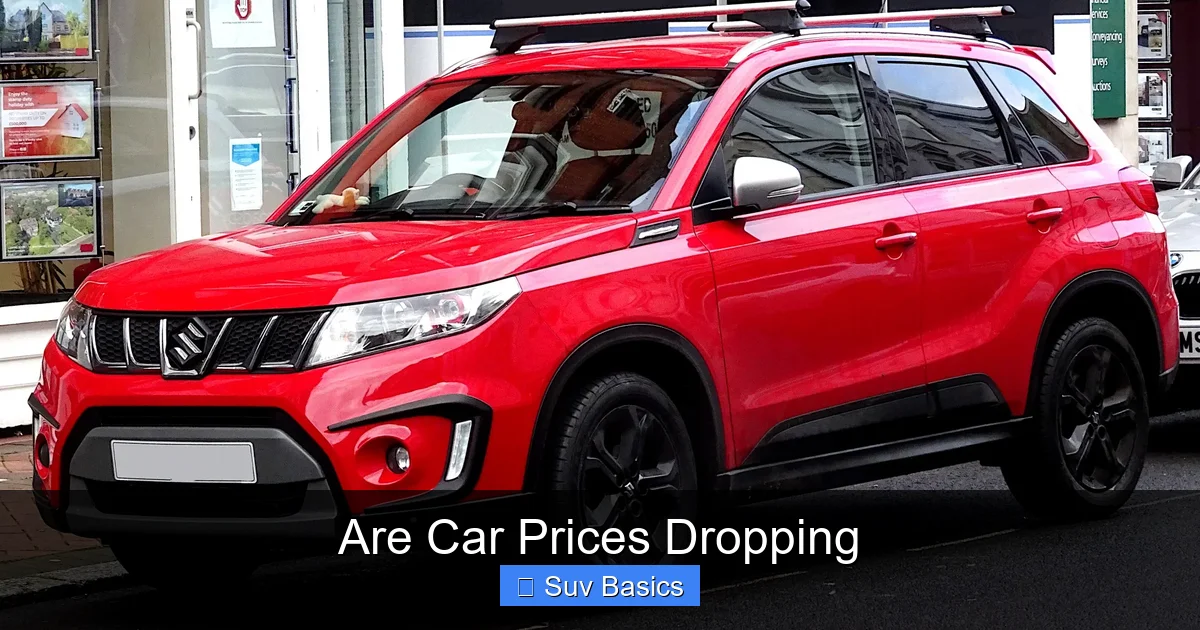
Visual guide about Are Car Prices Dropping
Image source: publicdomainpictures.net
Several key factors are contributing to the decline in car prices this year. The most significant is the return of inventory. After years of tight supply, automakers are finally catching up. Factories are running at full capacity, and dealerships are seeing more vehicles on their lots than they have in years.
This increased supply means dealers are no longer in the driver’s seat. In 2021 and 2022, buyers often paid well above MSRP just to get a car. Now, with more options available, dealers are competing for your business. That means better prices, more incentives, and a return to negotiation.
Another major factor is the Federal Reserve’s interest rate policy. While higher rates have made borrowing more expensive, they’ve also cooled demand. Fewer people are rushing to buy new cars, which gives dealers less pricing power. This shift has led to more realistic pricing, especially in the used car market.
The Role of Used Car Inventory
One of the biggest stories in 2024 is the surge in used car availability. Rental car companies, which slashed their fleets during the pandemic, are now selling off older models. At the same time, more people are trading in their vehicles as leases end and loan terms mature. This flood of used SUVs—especially popular models like the Toyota RAV4, Honda CR-V, and Ford Escape—has pushed prices down.
According to industry reports, used car prices have dropped by an average of 12% since mid-2022. For a typical used SUV that cost $35,000 two years ago, that’s a savings of over $4,000 today. That’s a game-changer for budget-conscious buyers.
SUV Prices: Where the Biggest Drops Are Happening
When it comes to SUVs, the price corrections are especially noticeable. Compact and midsize SUVs—the most popular segment—are seeing the steepest declines. These vehicles were in high demand during the pandemic, leading to shortages and markups. Now, with more units available, prices are coming back down to earth.
For example, the 2023 Toyota RAV4, which once sold for $5,000 over MSRP, is now available at or below sticker price in many markets. Similarly, the Honda CR-V and Subaru Forester are seeing increased incentives, including cash rebates and low APR financing.
Even larger SUVs like the Ford Explorer and Chevrolet Traverse are more affordable. Dealers are offering discounts to clear out 2023 models before the 2024s arrive. If you’ve been waiting for a three-row SUV, now is a great time to shop.
Luxury SUVs: A Mixed Bag
While mainstream SUVs are getting cheaper, luxury models are a different story. Brands like BMW, Mercedes-Benz, and Lexus are still commanding premium prices, especially for electric and high-performance variants. However, even in this segment, there are signs of softening. If you’re looking for something high-end, you can still find great deals by looking at top luxury SUVs of 2024.
Some luxury dealers are offering lease deals and loyalty bonuses to move inventory. And while the sticker prices haven’t dropped dramatically, the gap between MSRP and actual sale price is narrowing. In other words, you’re less likely to pay over MSRP, and more likely to get a fair deal.
New vs. Used: Which Is the Better Deal?
With prices shifting, many buyers are wondering: Should I buy new or used? The answer depends on your budget, needs, and timeline.
New SUVs offer the latest tech, safety features, and warranties. And while their prices haven’t dropped as much as used cars, they’re no longer skyrocketing. In fact, some manufacturers are offering incentives like $1,000 cash back or 0.9% APR financing to attract buyers.
Used SUVs, on the other hand, offer the best value right now. A two- or three-year-old model with low mileage can save you thousands compared to buying new. And with certified pre-owned (CPO) programs, you get many of the same benefits as a new car—including extended warranties and roadside assistance.
Tips for Buying a Used SUV
If you’re considering a used SUV, here are a few tips to get the best deal:
- Check vehicle history reports: Use services like Carfax or AutoCheck to ensure the car hasn’t been in major accidents or had flood damage.
- Get a pre-purchase inspection: Have a trusted mechanic inspect the vehicle before you buy, especially if it’s not CPO.
- Compare prices online: Use tools like Kelley Blue Book, Edmunds, or Autotrader to see what similar models are selling for in your area.
- Negotiate the price: With more inventory available, dealers are more willing to negotiate. Don’t be afraid to walk away if the price isn’t right.
The Impact of Interest Rates on Affordability
While car prices are dropping, it’s important to remember that interest rates are still high. The average auto loan rate in 2024 is around 7–8%, compared to 3–4% in 2021. That means even if the sticker price is lower, your monthly payment might not be.
For example, a $30,000 SUV financed at 8% over 60 months will cost about $610 per month. The same car at 4% would be around $550. That’s a $60 difference every month—over $3,600 over the life of the loan.
How to Minimize Interest Costs
- Shop around for financing: Don’t just accept the dealer’s offer. Check rates from banks, credit unions, and online lenders.
- Make a larger down payment: Putting more money down reduces the amount you need to finance and lowers your monthly payment.
- Consider a shorter loan term: A 48-month loan will have higher monthly payments but save you thousands in interest.
- Improve your credit score: Even a small boost in your credit score can qualify you for a lower rate.
Electric and Hybrid SUVs: Still a Premium
While gas-powered SUVs are getting more affordable, electric and hybrid models remain expensive. The average price of a new electric SUV is still over $60,000—well above the industry average. However, there are some bright spots.
Tesla has lowered prices on the Model Y and Model 3 in response to increased competition. Ford, Hyundai, and Kia are also offering more affordable EV options, like the Mustang Mach-E and Ioniq 5. And with federal and state tax credits, some buyers can save thousands at the time of purchase.
Hybrid SUVs, like the Toyota Highlander Hybrid SUV, offer a middle ground. They’re more fuel-efficient than gas-only models but don’t come with the high price tag of full EVs. And because they’re in high demand, prices are holding steady—though not dropping as fast as traditional SUVs.
When Is the Best Time to Buy an SUV?
Timing can make a big difference in how much you pay. Here are the best times to shop for an SUV in 2024:
- End of the year (November–December): Dealers are eager to meet annual sales goals and clear out old inventory.
- End of the quarter (March, June, September): Sales teams often have quotas to hit, leading to better deals.
- New model year arrival (August–October): When 2025 models arrive, 2024s go on sale.
- Holiday weekends: Memorial Day, Fourth of July, and Labor Day often feature special promotions.
Pro Tip: Be Ready to Act Fast
While inventory is up, popular SUVs can still sell quickly—especially in high-demand trims or colors. If you find a great deal, don’t wait too long. Have your financing pre-approved and be ready to make an offer.
Conclusion: Yes, Car Prices Are Dropping—But Stay Smart
So, are car prices dropping? The short answer is yes—especially for used vehicles and mainstream SUVs. After years of inflated prices, the market is finally cooling down. Increased inventory, reduced demand, and competitive pricing are giving buyers more power than they’ve had in a long time.
But that doesn’t mean it’s time to rush out and buy. Higher interest rates, evolving technology, and shifting consumer preferences mean you still need to do your homework. Compare prices, shop financing, and consider both new and used options.
For SUV buyers, 2024 is shaping up to be a great year to make a move. Whether you’re after a rugged off-roader, a family hauler, or a fuel-efficient hybrid, there are deals to be found. Just remember: the best price isn’t always the lowest sticker price—it’s the one that fits your budget and meets your needs.
With a little patience and smart shopping, you can drive away in the SUV you want—without overpaying.
Frequently Asked Questions
Are new car prices dropping in 2024?
New car prices have stabilized and are no longer rising rapidly. While they haven’t dropped dramatically, many dealers are offering incentives and discounts, especially on SUVs.
Why are used car prices falling?
Used car prices are dropping due to increased inventory from rental companies selling off fleets, more trade-ins, and reduced demand caused by higher interest rates.
Are SUV prices going down?
Yes, SUV prices—especially for compact and midsize models—are decreasing. Popular models like the RAV4 and CR-V are now more affordable than they were in 2022.
Should I buy a new or used SUV right now?
Used SUVs offer the best value in 2024, with prices down 10–15%. New SUVs are more stable but still come with higher costs and interest rates.
Do lower car prices mean lower monthly payments?
Not necessarily. While sticker prices are down, high interest rates can keep monthly payments high. Shop financing carefully to minimize costs.
When is the best time to buy an SUV in 2024?
The best times are end-of-year, end-of-quarter, and when new model years arrive. Holiday weekends also often feature special promotions.