
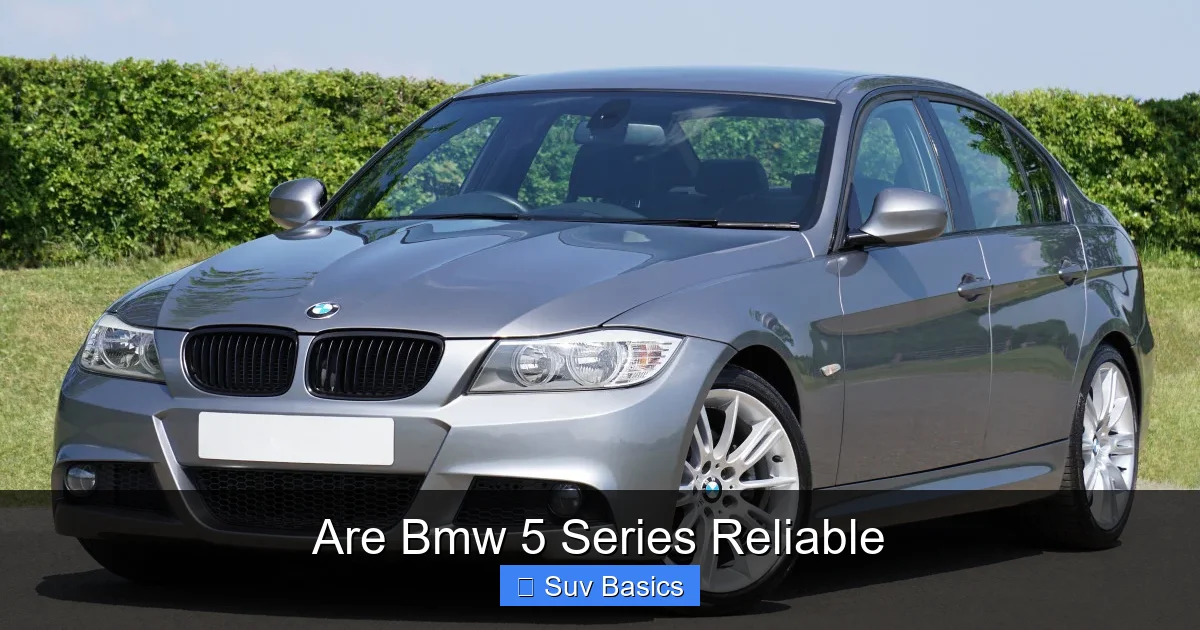
The BMW 5 Series is a stylish and performance-driven luxury sedan, but its reliability depends on the model year, maintenance habits, and engine type. While newer models (2017–2023) show improved dependability, older versions may face electrical and mechanical issues. With proper care, many owners enjoy years of smooth driving.
Key Takeaways
- Reliability varies by model year: Newer 5 Series models (especially 2017 and later) are more dependable than early 2000s versions.
- Maintenance is critical: BMWs require regular, high-quality servicing to avoid costly repairs and maintain performance.
- Common issues include electronics and cooling systems: Problems with iDrive, sensors, and water pumps are reported across several generations.
- Diesel engines tend to be more reliable: The 530d and 535d models often outlast their gasoline counterparts in long-term use.
- Extended warranties help: Many owners opt for BMW’s maintenance packages or third-party coverage to reduce repair costs.
- Resale value remains strong: Despite reliability concerns, the 5 Series holds its value well due to brand prestige and driving dynamics.
- Real-world owner feedback is mixed: Some praise the driving experience and longevity, while others cite frequent repairs after warranty expiration.
📑 Table of Contents
- Introduction: The BMW 5 Series – Luxury Meets Performance
- Understanding BMW 5 Series Reliability Over Time
- Common Reliability Issues in the BMW 5 Series
- Gas vs. Diesel: Which 5 Series Engine Is More Reliable?
- Tips to Improve BMW 5 Series Reliability
- Real Owner Experiences: What Do 5 Series Drivers Say?
- Conclusion: Is the BMW 5 Series Reliable?
Introduction: The BMW 5 Series – Luxury Meets Performance
The BMW 5 Series has long been a favorite among luxury sedan buyers who want a blend of comfort, technology, and driving excitement. Since its debut in the 1970s, it’s evolved into one of the most respected executive cars on the market. But with that reputation comes a big question: Are BMW 5 Series reliable?
It’s a fair question. BMWs are known for their sporty handling and premium interiors, but they’ve also earned a reputation for being expensive to maintain. Some owners love their 5 Series for years with minimal issues, while others face unexpected breakdowns and costly repairs. So, what’s the real story?
In this guide, we’ll break down the reliability of the BMW 5 Series across different generations, highlight common problems, and share tips to keep your BMW running smoothly. Whether you’re considering buying a used model or already own one, this information will help you make smarter decisions.
If you’re also curious about how SUVs compare to luxury sedans, see our SUVs Explained: Your Guide to Sport Utility Vehicles.
Understanding BMW 5 Series Reliability Over Time
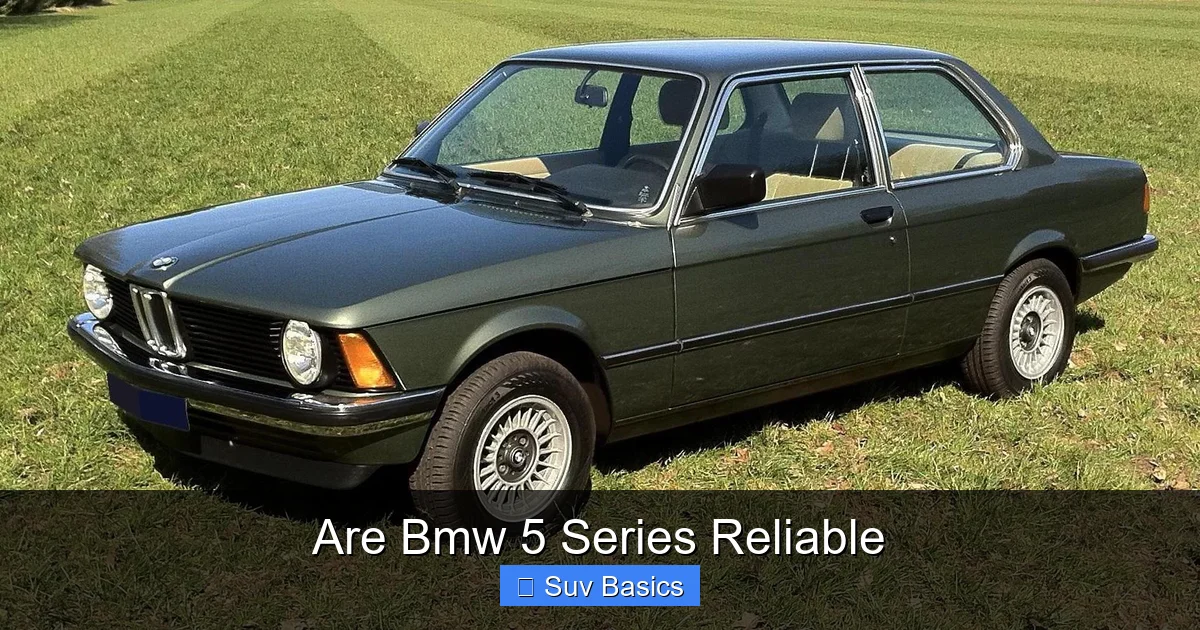
Visual guide about Are Bmw 5 Series Reliable
Image source: upload.wikimedia.org
Reliability isn’t a one-size-fits-all answer when it comes to the 5 Series. It changes dramatically depending on the model year and generation. Let’s take a closer look.
Early Models (E34 and E39: 1988–2003)
The E34 (1988–1996) and E39 (1996–2003) generations are often praised for their build quality and driving feel. Many enthusiasts consider the E39 the “golden era” of the 5 Series. These models were simpler in design, with fewer electronics, which made them easier to repair and more durable.
However, even these older models aren’t immune to issues. Common problems include:
– Failing VANOS (variable valve timing) systems
– Worn-out cooling system components
– Electrical gremlins in later E39 models
Despite this, well-maintained E39s can easily surpass 200,000 miles. The key is regular upkeep and using quality parts.
Mid-2000s to Early 2010s (E60 and F10: 2004–2016)
The E60 (2004–2010) and F10 (2011–2016) generations brought more technology, sleeker designs, and turbocharged engines. But they also introduced new reliability challenges.
The E60, in particular, has a mixed reputation. While it looks stunning and drives well, it’s known for:
– Faulty iDrive systems
– Water pump failures
– Oil filter housing gasket leaks
– Electrical issues with window regulators and sensors
The F10 improved on many of these issues, especially in the 2014–2016 models. The N20 and N26 turbocharged four-cylinder engines, while efficient, can suffer from timing chain problems if not maintained properly. The six-cylinder N52 and N55 engines are generally more reliable.
Newer Models (G30 and G31: 2017–Present)
The current generation (G30 sedan, G31 wagon) has made significant strides in reliability. BMW addressed many past complaints by improving build quality, simplifying electronics, and offering longer warranties.
Owners of 2017–2023 models report fewer major issues. Common minor complaints include:
– Glitchy infotainment screens
– Occasional sensor malfunctions
– Premature brake wear (due to aggressive driving modes)
Overall, the newer 5 Series is more dependable than its predecessors, especially if you stick to recommended service intervals.
For those interested in learning more about SUV trends, check out From Rugged All-Terrain to Family Favorite: A History of SUVs.
Common Reliability Issues in the BMW 5 Series
No car is perfect, and the 5 Series has its share of known problems. Here are the most frequent issues reported by owners and mechanics.
Electrical and Infotainment Problems
Modern BMWs rely heavily on electronics, and the 5 Series is no exception. The iDrive system, while advanced, can freeze, lag, or lose connectivity. Some owners report:
– Touchscreen unresponsiveness
– Bluetooth pairing failures
– Dashboard warning lights (often false alarms)
These issues are usually software-related and can often be fixed with updates at a BMW service center. However, repeated problems may indicate deeper electrical faults.
Cooling System Failures
The cooling system is a weak spot in many BMW engines. Components like the water pump, thermostat, and radiator can fail prematurely—sometimes as early as 60,000 miles.
Symptoms include:
– Overheating
– Coolant leaks
– Warning lights on the dashboard
Replacing these parts early can prevent engine damage. It’s wise to inspect the cooling system during routine maintenance.
Oil Leaks and Gasket Failures
Oil leaks are common in BMWs, especially around the valve cover gasket, oil filter housing, and oil pan. These leaks may seem minor but can lead to low oil levels and engine damage if ignored.
Regular oil changes with the correct synthetic oil (like BMW LL-01 approved) help reduce wear and prevent leaks.
Transmission and Drivetrain Concerns
The 5 Series typically uses smooth-shifting automatic transmissions (ZF 8-speed), which are generally reliable. However, some owners report:
– Rough shifting
– Delayed engagement
– Transmission control module (TCM) errors
Most transmission issues are software-related and can be resolved with a reflash. In rare cases, internal wear may require rebuilds.
Gas vs. Diesel: Which 5 Series Engine Is More Reliable?
One of the biggest factors in 5 Series reliability is the engine choice. Let’s compare gasoline and diesel options.
Gasoline Engines (N20, N55, B58)
Gas engines offer strong performance and a sporty feel. The N20 (2011–2016) is efficient but prone to timing chain issues. The N55 (2011–2017) is more robust but can suffer from high-pressure fuel pump failures.
The newer B58 (2017–present) is a significant improvement. It’s used in the 540i and is known for its smooth power delivery and durability. With proper maintenance, the B58 can last well over 150,000 miles.
Diesel Engines (N47, B47, N57)
Diesel-powered 5 Series models (like the 520d, 530d, and 535d) are often considered more reliable for long-distance driving. They deliver excellent fuel economy and strong torque.
The N47 engine (2007–2013) had issues with timing chain failures, but later versions (B47 and updated N57) are much more dependable. Many diesel 5 Series cars exceed 250,000 miles with regular servicing.
If you drive mostly highways and want longevity, a well-maintained diesel 5 Series can be a smart choice.
Tips to Improve BMW 5 Series Reliability
You can’t change the past, but you can influence your 5 Series’ future. Here’s how to keep your BMW running strong.
Follow the Maintenance Schedule
BMW recommends specific service intervals based on mileage and time. Stick to them. Key services include:
– Oil changes every 7,500–10,000 miles (use only BMW-approved oil)
– Brake fluid replacement every 2 years
– Coolant flush every 4–5 years
– Spark plug replacement (every 60,000–100,000 miles, depending on engine)
Skipping maintenance is the fastest way to reduce reliability.
Use Genuine or High-Quality Aftermarket Parts
Cheap parts may save money upfront but can cause bigger problems later. Always use OEM (original equipment manufacturer) or reputable aftermarket brands for critical components like brakes, suspension, and engine parts.
Address Warning Lights Immediately
Don’t ignore dashboard alerts. A small issue like a faulty oxygen sensor can lead to poor fuel economy or catalytic converter damage. Get diagnostics done early.
Consider an Extended Warranty
Once the factory warranty expires (typically 4 years/50,000 miles), repair costs can add up. Many owners buy extended warranties or prepaid maintenance plans to avoid surprise bills.
Drive Responsibly
BMW engines are built for performance, but aggressive driving—constant hard acceleration, high RPMs, and short trips—can accelerate wear. Let the engine warm up in cold weather and avoid lugging the engine at low speeds.
If you’re considering a luxury SUV instead, you might want to look at our list of Top 5 Luxury SUVs of 2024.
Real Owner Experiences: What Do 5 Series Drivers Say?
To get a true picture of reliability, it helps to hear from real owners.
John, a 2015 530i owner from Chicago, says: “I’ve put 110,000 miles on it with only routine maintenance. No major repairs. It still drives like new.”
On the other hand, Sarah, who owns a 2008 528i, shares: “I’ve replaced the water pump twice and the iDrive screen once. It’s been expensive, but I love how it handles.”
These stories show that reliability often comes down to care and luck. A well-maintained older model can outlast a neglected newer one.
Conclusion: Is the BMW 5 Series Reliable?
So, are BMW 5 Series reliable? The answer is: it depends.
Newer models (2017 and later) are significantly more dependable than earlier generations. With proper maintenance, they can offer a smooth, enjoyable ownership experience. Older models, especially from the mid-2000s, require more attention and may come with higher repair costs.
If you’re buying used, aim for a well-documented service history and consider a pre-purchase inspection. Diesel models and six-cylinder engines generally offer better long-term reliability.
Ultimately, the 5 Series isn’t the most reliable luxury sedan on the market—but for many drivers, the driving dynamics, comfort, and prestige make it worth the trade-offs. With care and attention, your BMW 5 Series can be a rewarding companion for years to come.
Frequently Asked Questions
Are BMW 5 Series expensive to maintain?
Yes, maintenance and repairs can be costly compared to non-luxury brands. Parts and labor are pricier, and specialized knowledge is often required. However, following the maintenance schedule and using quality parts can help control costs.
Which BMW 5 Series model year is the most reliable?
The 2017–2023 G30 generation is considered the most reliable, especially models with the B58 six-cylinder engine. These benefit from improved engineering and longer factory warranties.
Do BMW 5 Series have transmission problems?
Most 5 Series models use reliable ZF 8-speed automatics. While generally dependable, some owners report rough shifting or software glitches. These are often fixable with updates or module replacements.
Can a BMW 5 Series last 200,000 miles?
Yes, many 5 Series models can reach 200,000 miles or more with proper care. Diesel versions and well-maintained gasoline models (especially N52, N55, and B58 engines) are known for their longevity.
What are the most common BMW 5 Series problems?
Common issues include water pump failures, oil leaks, iDrive glitches, and electrical sensor faults. Cooling system and timing chain problems are also reported, especially in older models.
Is it worth buying a used BMW 5 Series?
It can be, if you choose the right model and condition. Look for a well-maintained example with service records. Avoid high-mileage E60 models unless inspected by a BMW specialist.