
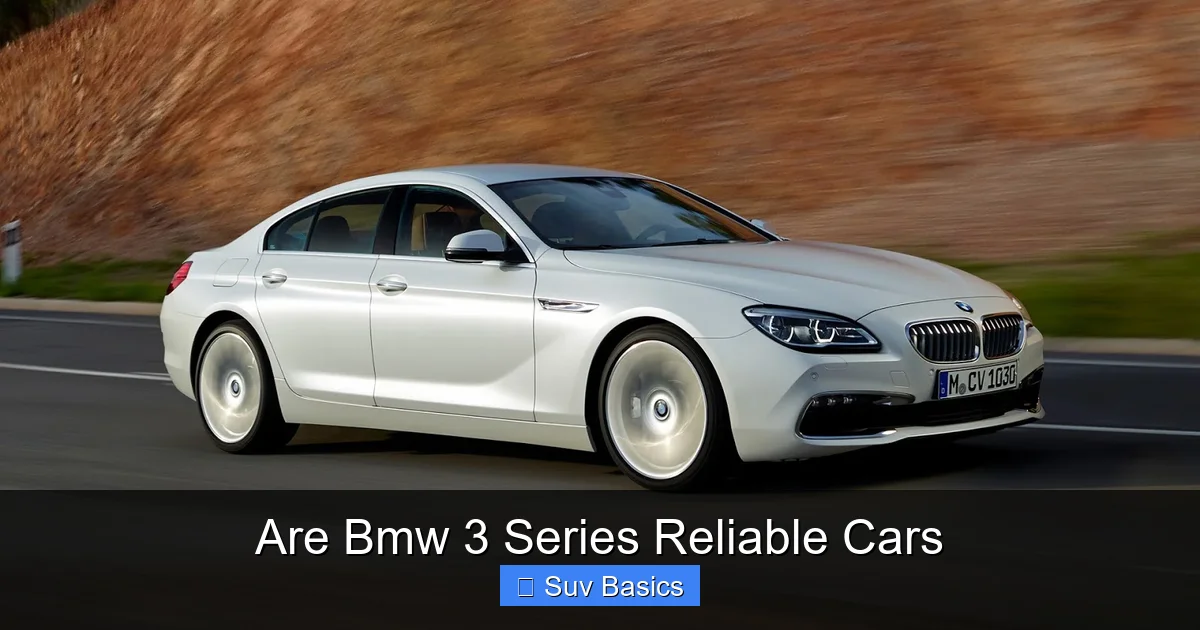
The BMW 3 Series is generally a reliable car, especially when properly maintained. While it offers a thrilling driving experience and premium features, some model years have had known issues that buyers should be aware of.
If you’re also exploring other vehicle categories, our SUVs Explained: Your Guide to Sport Utility Vehicles offers a great overview.
Key Takeaways
- Overall Reliability: The BMW 3 Series ranks above average for luxury sedans, with many models lasting over 150,000 miles with proper care.
- Model Year Matters: Some years, like the 2012 and 2014 models, had higher rates of engine and electrical problems, while newer models (2019–2023) show improved reliability.
- Maintenance Is Key: BMWs require regular, high-quality maintenance. Skipping scheduled services can lead to costly repairs down the road.
- Common Issues: Watch for oil leaks, cooling system failures, and electronic glitches—especially in older models.
- Resale Value: The 3 Series holds its value well compared to other luxury sedans, thanks to strong brand reputation and performance appeal.
- Warranty & Support: BMW offers a solid factory warranty and extended service plans that can boost long-term reliability and peace of mind.
- Best for Enthusiasts: If you enjoy driving and are willing to invest in upkeep, the 3 Series delivers a rewarding ownership experience.
For those interested in luxury SUVs, see our roundup of the Top 5 Luxury SUVs of 2024 for comparison.
📑 Table of Contents
- Are BMW 3 Series Reliable Cars? A Deep Dive into Performance and Longevity
- Understanding BMW 3 Series Reliability Ratings
- Common Reliability Issues in the BMW 3 Series
- Model Year Comparison: Which 3 Series Is the Most Reliable?
- The Role of Maintenance in BMW 3 Series Reliability
- Ownership Costs: Is the 3 Series Worth It?
- Conclusion: Should You Buy a BMW 3 Series?
Are BMW 3 Series Reliable Cars? A Deep Dive into Performance and Longevity
When you think of luxury sedans, the BMW 3 Series often comes to mind. Sleek design, sporty handling, and a reputation for performance make it a favorite among driving enthusiasts. But beyond the badge and the badge’s prestige, one question keeps popping up: Are BMW 3 Series reliable cars?
Reliability isn’t just about how long a car lasts—it’s about how consistently it performs, how often it breaks down, and how much it costs to keep running. For many buyers, especially those new to German engineering, this is a make-or-break factor. The good news? The BMW 3 Series, as a whole, is more reliable than many people assume. But like any vehicle, it’s not without its quirks.
Over the past two decades, the 3 Series has evolved significantly. From the E46 of the early 2000s to the latest G20 generation, BMW has refined its platform, improved build quality, and addressed many past flaws. Still, reliability can vary widely depending on the model year, engine type, and how well the car has been maintained. So, let’s break it down—what makes the 3 Series tick, and where might it let you down?
Understanding BMW 3 Series Reliability Ratings
Visual guide about Are Bmw 3 Series Reliable Cars
Image source: images.pexels.com
Reliability ratings from trusted sources like J.D. Power, Consumer Reports, and RepairPal give us a solid starting point. Historically, the BMW 3 Series scores around average to above average in dependability studies. For example, the 2020 and 2021 models received strong marks for predicted reliability, while earlier models—especially those from 2011 to 2015—had more reported issues.
One reason for this improvement is BMW’s shift toward more standardized platforms and shared components across models. This reduces complexity and makes repairs easier and more predictable. Additionally, newer 3 Series models benefit from advanced diagnostics and over-the-air software updates, which help prevent small glitches from becoming big problems.
That said, BMWs are still luxury vehicles with complex systems. They’re engineered for performance, not simplicity. This means they require more attention than a typical Toyota or Honda. But if you’re willing to stay on top of maintenance, the 3 Series can be a dependable daily driver for years.
Common Reliability Issues in the BMW 3 Series
No car is perfect, and the BMW 3 Series has had its share of recurring problems. Knowing what to watch for can save you time, money, and headaches down the road.
Engine and Oil Leaks
One of the most frequently reported issues in older 3 Series models—especially the N20 and N55 engines used from 2012 to 2018—is oil leaks. These often stem from faulty valve cover gaskets or oil filter housing seals. While not catastrophic, these leaks can lead to low oil levels and engine damage if ignored.
Tip: Check under the car regularly for oil spots. If you notice a leak, get it fixed promptly—most repairs cost between $300 and $600.
Cooling System Failures
The cooling system in BMWs is under more stress than in many other cars due to high-performance engines. Water pumps, thermostats, and radiator hoses can fail prematurely, especially in models from the early 2010s. A failing water pump might not show obvious signs until the engine overheats—so don’t ignore dashboard warnings.
Pro tip: Replace the water pump and thermostat every 60,000 to 80,000 miles as preventive maintenance, even if they seem fine.
When considering broader SUV options, you might also enjoy our analysis of the Battle of the Titans: BMW X5 vs Audi Q7 to see how BMW’s SUV stacks up against competitors.
Electrical and Sensor Glitches
Modern BMWs are packed with sensors, cameras, and electronic control units. While this enables features like adaptive cruise control and lane-keeping assist, it also increases the chance of software bugs or sensor malfunctions. Common issues include faulty door lock actuators, malfunctioning iDrive systems, and false warning lights.
Solution: Keep your car’s software updated. Many electrical issues can be resolved with a simple software patch from a BMW service center.
Transmission Troubles
Some 3 Series models with the ZF 8-speed automatic transmission have experienced rough shifting or hesitation. In rare cases, the mechatronics unit—a critical component inside the transmission—can fail. This is more common in high-mileage vehicles or those subjected to heavy towing or aggressive driving.
Prevention: Use only BMW-approved transmission fluid and avoid harsh driving habits.
Model Year Comparison: Which 3 Series Is the Most Reliable?
Not all BMW 3 Series models are created equal when it comes to reliability. Some years stand out as particularly solid, while others come with known red flags.
Best Model Years (2019–2023)
The latest generation (G20), introduced in 2019, is widely regarded as the most reliable 3 Series in recent memory. It features updated engines (like the B48 2.0L turbo), improved build quality, and better electronics. Owners report fewer mechanical issues and higher satisfaction ratings.
If you’re buying used, a 2020 or newer 330i is a smart choice. It balances performance, fuel economy, and long-term dependability.
Years to Approach with Caution (2011–2015)
The 2012 and 2014 3 Series models, particularly those with the N20 engine, have higher-than-average repair rates. Issues like timing chain failures, oil leaks, and turbocharger problems are not uncommon. While many of these cars still run well, they require diligent maintenance and frequent check-ups.
Tip: If considering a 2012–2015 model, get a pre-purchase inspection by a BMW specialist. It could save you thousands.
Older Models (E46, E90)
The E46 (1999–2006) and E90 (2006–2011) generations have a loyal following, but they’re aging. While many are still on the road, expect higher maintenance costs as parts wear out. The E46, in particular, is known for subframe cracking—a serious issue that requires professional repair.
Verdict: Great for enthusiasts on a budget, but not ideal for someone seeking low-maintenance ownership.
The Role of Maintenance in BMW 3 Series Reliability
Here’s the truth: BMWs are not “set it and forget it” cars. Their reliability hinges heavily on how well they’re maintained. Skipping oil changes, ignoring warning lights, or using cheap aftermarket parts can turn a reliable machine into a money pit.
Follow the Maintenance Schedule
BMW provides a detailed maintenance schedule based on time and mileage. Stick to it. This includes oil changes every 10,000 miles (or annually), brake fluid flushes every two years, and cabin air filter replacements. Using synthetic oil and OEM (original equipment manufacturer) parts is strongly recommended.
Use a Trusted Mechanic
While dealerships offer expertise, independent BMW specialists often provide the same quality service at lower prices. Look for shops with BMW-specific diagnostic tools and certified technicians.
Monitor Fluid Levels and Tire Wear
Check your oil, coolant, and brake fluid monthly. Also, rotate your tires every 5,000 to 7,000 miles to ensure even wear and extend their life.
Keep an Eye on the Battery
BMW batteries are sensitive and often fail prematurely, especially in colder climates. Consider replacing the battery every 4–5 years, even if it seems fine.
Ownership Costs: Is the 3 Series Worth It?
Reliability isn’t just about breakdowns—it’s also about cost of ownership. The BMW 3 Series is more expensive to maintain than mainstream sedans. According to RepairPal, the average annual repair cost for a 3 Series is around $750, compared to $526 for all vehicles.
However, this cost comes with benefits: a premium driving experience, high resale value, and advanced technology. If you plan to keep the car for 5–7 years and drive it responsibly, the long-term value can outweigh the higher upkeep.
Financing, insurance, and fuel costs should also be factored in. But for many, the joy of driving a BMW makes the extra expense worthwhile.
Conclusion: Should You Buy a BMW 3 Series?
So, are BMW 3 Series reliable cars? The answer is yes—with caveats. When properly maintained and chosen wisely, the 3 Series is a dependable, enjoyable, and long-lasting luxury sedan. Newer models (2019 and later) offer the best blend of performance and reliability, while older versions require more attention.
If you’re willing to invest in regular maintenance, stay informed about common issues, and choose a well-documented vehicle, the BMW 3 Series can be a rewarding choice. It’s not the most reliable car on the market, but for those who value driving dynamics and premium features, it’s one of the best options in its class.
Ultimately, reliability is about more than just numbers—it’s about trust. And with the right care, the 3 Series can earn yours.
Frequently Asked Questions
Are BMW 3 Series reliable long-term?
Yes, many BMW 3 Series models can last 150,000 to 200,000 miles or more with proper maintenance. Newer models (2019+) are particularly durable and show fewer mechanical issues over time.
Which BMW 3 Series year is the most reliable?
The 2020 and 2021 BMW 330i models are considered among the most reliable, thanks to updated engines, improved electronics, and strong owner satisfaction ratings.
What are the most common problems with BMW 3 Series?
Common issues include oil leaks, cooling system failures, electrical glitches, and transmission hiccups—especially in models from 2011 to 2015. Regular maintenance helps prevent many of these problems.
Is it expensive to maintain a BMW 3 Series?
Yes, maintenance costs are higher than average—around $750 per year. However, using independent BMW specialists and following the maintenance schedule can help control expenses.
Can a BMW 3 Series be a daily driver?
Absolutely. Many owners use the 3 Series as their primary vehicle. Its comfort, performance, and technology make it well-suited for daily commuting, especially with consistent upkeep.
Do BMW 3 Series hold their value?
Yes, the 3 Series retains its value better than many luxury sedans. Strong demand, brand reputation, and performance appeal contribute to solid resale prices after several years.