
The BMW 3 Series is generally considered a reliable luxury sedan, especially when properly maintained. While earlier models had some common issues, recent generations have improved significantly in durability and dependability.
Key Takeaways
- Reliability has improved over time: Newer BMW 3 Series models (2015 and later) show better reliability ratings than older versions.
- Regular maintenance is crucial: Following the manufacturer’s service schedule greatly increases long-term dependability.
- Common issues to watch for: Electrical glitches, turbocharger problems, and cooling system failures have been reported in certain model years.
- High owner satisfaction: Many drivers praise the 3 Series for its driving dynamics, comfort, and premium feel.
- Depreciation and repair costs: While the car holds value well, repair and maintenance costs are higher than average due to premium parts and labor.
- Best model years for reliability: The 2016–2019 F30 generation and 2020+ G20 generation are among the most dependable.
- Extended warranties help: Consider an extended warranty or certified pre-owned (CPO) program to reduce financial risk.
📑 Table of Contents
- Are BMW 3 Series Reliable Cars? A Complete Reliability Guide
- Understanding BMW 3 Series Reliability Over Time
- Common Reliability Issues in the BMW 3 Series
- Maintenance Tips to Boost Reliability
- Owner Satisfaction and Real-World Reliability
- Cost of Ownership: Is the BMW 3 Series Worth It?
- Final Verdict: Should You Buy a BMW 3 Series?
Are BMW 3 Series Reliable Cars? A Complete Reliability Guide
When it comes to luxury sedans, the BMW 3 Series has long been a benchmark for performance, style, and driving enjoyment. But beyond the badge and the badge’s reputation for sporty handling, many potential buyers wonder: Are BMW 3 Series reliable cars? It’s a fair question—especially when you’re investing in a premium vehicle that often comes with a higher price tag and maintenance costs. If you’re also interested in larger family vehicles, you might want to check out our guide on what is an SUV.
The short answer? Yes, the BMW 3 Series can be reliable—but with some important caveats. Like any complex machine, its dependability depends heavily on how it’s driven, maintained, and which model year you choose. While BMW has made significant strides in improving build quality and engineering over the past decade, earlier models did face criticism for certain recurring issues. Today’s 3 Series, particularly from 2015 onward, offers a much more balanced blend of luxury and reliability.
Understanding BMW 3 Series Reliability Over Time
To truly assess whether the BMW 3 Series is reliable, it helps to look at its evolution across generations. The 3 Series has been in production since 1975, and each generation—from the E30 to the current G20—has brought improvements in technology, safety, and engineering. However, not all years are created equal when it comes to long-term dependability.
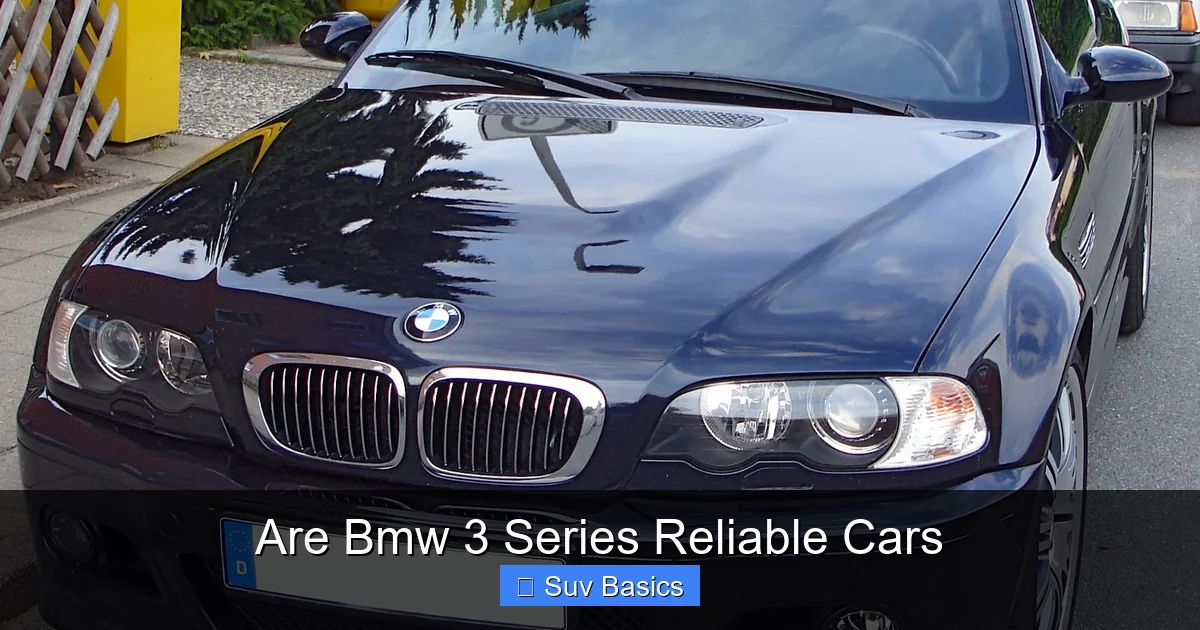
Visual guide about Are Bmw 3 Series Reliable Cars
Image source: upload.wikimedia.org
Early Models (E30, E36, E46): Enthusiast Favorites with Caveats
The E30 (1982–1994) and E36 (1990–2000) are beloved by driving purists for their lightweight design and analog feel. However, these older models are now decades old, and even well-maintained examples can suffer from aging components like rubber bushings, electrical issues, and rust. The E46 (1998–2006) improved on many fronts but introduced new challenges, such as cooling system failures and VANOS (variable valve timing) problems.
The E90 Generation (2005–2011): A Mixed Bag
The E90 marked BMW’s shift toward more modern electronics and turbocharged engines. While it offered impressive performance, especially in the 335i with its twin-turbo inline-6, it also brought reliability concerns. Common issues included high-pressure fuel pump failures, turbocharger oil leaks, and electrical gremlins. These problems led to several recalls and frustrated owners, impacting the generation’s overall reliability reputation.
The F30 Generation (2012–2018): A Turning Point
The F30 generation was a major redesign, introducing more efficient engines, improved interiors, and better fuel economy. While early F30 models (2012–2014) still had some teething issues—like water pump failures and oil filter housing gasket leaks—BMW addressed many of these in later model years. By 2016, the F30 had become significantly more reliable, earning praise from both owners and industry reviewers.
The G20 Generation (2019–Present): The Most Reliable Yet
The current G20 generation represents BMW’s most reliable 3 Series to date. With a focus on refinement, efficiency, and durability, the G20 has received strong marks from reliability surveys. It features updated turbocharged engines (like the B48 2.0L inline-4), improved electronics, and better build quality. While no car is perfect, the G20 has far fewer widespread issues than its predecessors.
Common Reliability Issues in the BMW 3 Series
Even the most reliable cars have their weak spots, and the BMW 3 Series is no exception. Knowing what to watch for can help you avoid costly repairs and make a smarter purchase decision.
Electrical and Software Glitches
Modern BMWs are packed with advanced electronics, from infotainment systems to driver-assist features. While these enhance the driving experience, they can also lead to software bugs, glitchy iDrive systems, or malfunctioning sensors. For example, some F30 owners reported issues with the navigation system freezing or the car failing to recognize key fobs. These problems are often resolved with software updates from the dealership.
Turbocharger and Engine Concerns
Turbocharged engines deliver great performance but require careful maintenance. In the E90 335i, the twin-turbo N54 engine was powerful but prone to high-pressure fuel pump failures and turbo oil leaks. The later N55 and B48 engines are more reliable, but they still benefit from regular oil changes and using high-quality synthetic oil. Neglecting oil changes can lead to sludge buildup and premature engine wear.
Cooling System Failures
The cooling system is a known weak point in several 3 Series generations. Plastic components like water pumps and thermostat housings can fail over time, especially in older models. A failing water pump may leak or stop working entirely, leading to overheating. Replacing these parts with updated metal or reinforced plastic versions can improve longevity.
Suspension and Steering Wear
The 3 Series is known for its sharp handling, but that sporty suspension can wear out faster than in softer-riding sedans. Components like control arms, bushings, and strut mounts may need replacement after 80,000–100,000 miles. Regular inspections and timely replacements help maintain ride quality and safety.
Maintenance Tips to Boost Reliability
One of the biggest factors in a BMW 3 Series’ reliability is how well it’s maintained. These cars are engineered for performance, but that performance comes with higher maintenance demands. Here’s how to keep your 3 Series running smoothly for years. If you prefer higher ground clearance, exploring SUV options might be worthwhile; see our history of SUVs.
Follow the Factory Maintenance Schedule
BMW recommends specific service intervals for oil changes, brake fluid, coolant, and transmission fluid. Stick to these schedules—don’t skip or delay them. For example, BMW suggests oil changes every 10,000 miles or once a year, but many mechanics recommend shorter intervals (every 7,500 miles) if you drive in stop-and-go traffic or harsh conditions.
Use Genuine or High-Quality Aftermarket Parts
While OEM (original equipment manufacturer) parts are more expensive, they’re designed specifically for your car. Using cheap alternators, sensors, or brake components can lead to premature failure and even damage other systems. If you’re on a budget, look for reputable aftermarket brands like Bosch, Bilstein, or Lemförder.
Address Warning Lights Immediately
BMW’s onboard diagnostics are sophisticated. If the check engine light, oil pressure warning, or brake system alert comes on, don’t ignore it. Early diagnosis can prevent minor issues from becoming major repairs. Use an OBD2 scanner or visit a trusted BMW specialist for accurate readings.
Consider a Pre-Purchase Inspection
If you’re buying a used 3 Series, always get a pre-purchase inspection (PPI) from a qualified mechanic. They’ll check for hidden issues like frame damage, engine wear, or electrical problems. A PPI can save you thousands in unexpected repairs.
Owner Satisfaction and Real-World Reliability
Beyond technical data, it’s important to consider what actual owners say about their BMW 3 Series experience. Surveys from J.D. Power, Consumer Reports, and owner forums provide valuable insights into real-world reliability.
High Marks for Driving Enjoyment
Owners consistently praise the 3 Series for its engaging driving dynamics, responsive steering, and comfortable ride. The balance between sportiness and luxury is a major selling point. Many drivers say they’d buy another BMW because of how much they enjoy driving it daily.
Mixed Reliability Ratings
Consumer Reports has given the 3 Series varying reliability scores over the years. The 2012–2014 models received below-average ratings, while the 2016–2019 F30 and 2020+ G20 models scored much better. J.D. Power’s Vehicle Dependability Study also shows improvement, with recent 3 Series models ranking above average in their segment.
Long-Term Ownership Experiences
Many long-term owners report that their 3 Series remains reliable past 100,000 miles—provided they’ve followed a strict maintenance routine. One owner on a popular BMW forum shared that his 2016 328i reached 140,000 miles with only routine servicing and a replaced water pump. Another noted that her 2020 330i has been trouble-free for over 60,000 miles.
Cost of Ownership: Is the BMW 3 Series Worth It?
Reliability isn’t just about breakdowns—it’s also about cost. The BMW 3 Series is more expensive to maintain and repair than mainstream sedans like the Honda Accord or Toyota Camry. But for many buyers, the premium experience justifies the extra cost. For a broader perspective on ownership costs, our evaluation of SUVs offers useful insights.
Higher Maintenance and Repair Costs
BMW parts and labor are pricier than average. A simple oil change at a dealership can cost $150–$200, compared to $50–$80 at an independent shop. Major repairs—like replacing a turbocharger or transmission—can run into the thousands. However, using independent BMW specialists instead of dealerships can reduce costs by 30–50%.
Depreciation and Resale Value
The 3 Series holds its value better than many luxury competitors. A well-maintained 3 Series can retain 50–60% of its value after three years, making it a smart choice if you plan to sell or trade in the future. Certified Pre-Owned (CPO) programs also add peace of mind with extended warranties and thorough inspections.
Warranty and Extended Coverage
New BMWs come with a 4-year/50,000-mile warranty, including complimentary scheduled maintenance for the first three years. For added protection, consider an extended warranty or CPO plan, especially if you’re buying a used model. These can cover major components like the engine, transmission, and electronics.
Final Verdict: Should You Buy a BMW 3 Series?
So, are BMW 3 Series reliable cars? The answer is a qualified yes—especially if you choose a well-maintained, recent model and commit to proper care. The 3 Series offers an unmatched blend of performance, luxury, and driving excitement in its class. While it’s not the cheapest car to own, its reliability has improved dramatically in the last decade.
If you’re considering a BMW 3 Series, focus on model years 2016 and newer, stay on top of maintenance, and consider a CPO or extended warranty for added security. With the right approach, the 3 Series can be a dependable, enjoyable companion for many years and miles.
Frequently Asked Questions
Are BMW 3 Series reliable after 100,000 miles?
Yes, many BMW 3 Series models remain reliable past 100,000 miles if they’ve been well-maintained. Regular oil changes, timely part replacements, and addressing issues early are key to long-term dependability.
Which BMW 3 Series year is the most reliable?
The 2016–2019 F30 generation and the 2020–present G20 generation are considered the most reliable. These models benefit from improved engineering, better electronics, and fewer widespread issues.
Do BMW 3 Series have a lot of electrical problems?
Some older models, especially from 2012–2014, experienced electrical glitches like iDrive freezes or sensor failures. Newer models have fewer issues, and many problems can be fixed with software updates.
Is it expensive to maintain a BMW 3 Series?
Yes, maintenance and repairs are more expensive than average due to premium parts and labor. However, using independent BMW specialists instead of dealerships can significantly reduce costs.
Can a BMW 3 Series last 200,000 miles?
It’s possible, but not guaranteed. With meticulous maintenance, some owners have reached 200,000 miles. However, major components like the engine and transmission may need rebuilding or replacing near that mileage.
Should I buy a used BMW 3 Series?
Yes, if you choose a well-documented, low-mileage example from a reliable year (2016+), get a pre-purchase inspection, and budget for maintenance. A CPO model is often the safest used option.