

The Audi A3 is generally considered a reliable luxury compact car, especially when properly maintained. While it offers strong build quality and advanced tech, some model years have reported electrical and engine-related issues that buyers should be aware of.
Key Takeaways
- Overall Reliability: The Audi A3 scores above average in reliability for luxury compact cars, particularly from 2015 onward.
- Common Issues: Early models (2006–2013) faced problems with timing belts, oil consumption, and electrical glitches.
- Maintenance Matters: Regular servicing and using high-quality parts significantly improve long-term dependability.
- Owner Satisfaction: Many A3 owners praise its driving dynamics, interior quality, and fuel efficiency.
- Resale Value: The A3 holds its value well compared to non-luxury rivals, thanks to strong brand reputation.
- Warranty & Support: Audi’s factory warranty and certified pre-owned programs offer peace of mind for used buyers.
- Best Model Years: 2015–2020 models are widely regarded as the most reliable and feature-rich.
📑 Table of Contents
- Are Audi A3 Reliable? A Deep Dive into Performance and Longevity
- Understanding Reliability in Luxury Compact Cars
- Common Issues in Audi A3 Models
- Maintenance Tips to Boost Reliability
- Owner Experiences: Real-World Reliability
- Best and Worst Model Years
- Warranty and Certified Pre-Owned Options
- Conclusion: Is the Audi A3 Right for You?
Are Audi A3 Reliable? A Deep Dive into Performance and Longevity
When shopping for a luxury compact car, reliability is often top of mind. You want a vehicle that looks sharp, drives smoothly, and won’t leave you stranded with surprise repair bills. The Audi A3 has long been a popular choice in this segment, blending German engineering with premium features at a relatively accessible price point. But the big question remains: Are Audi A3 reliable? For those interested in larger luxury vehicles, check out our guide on the Top 5 Luxury SUVs of 2024.
Over the years, the A3 has earned a solid reputation for build quality and refinement. It’s not just about looking good—it’s about feeling confident behind the wheel, knowing your car can handle daily commutes, weekend getaways, and everything in between. However, like any vehicle, the A3 isn’t perfect. Its reliability can vary depending on the model year, maintenance history, and driving habits. In this guide, we’ll break down what makes the Audi A3 a dependable choice—and where it might fall short.
Understanding Reliability in Luxury Compact Cars
Before diving into the specifics of the Audi A3, it’s important to understand what “reliability” really means in the context of luxury vehicles. Unlike economy cars, which prioritize low cost and simplicity, luxury models like the A3 pack advanced technology, turbocharged engines, and sophisticated electronics. While these features enhance comfort and performance, they can also introduce complexity—and potential points of failure.
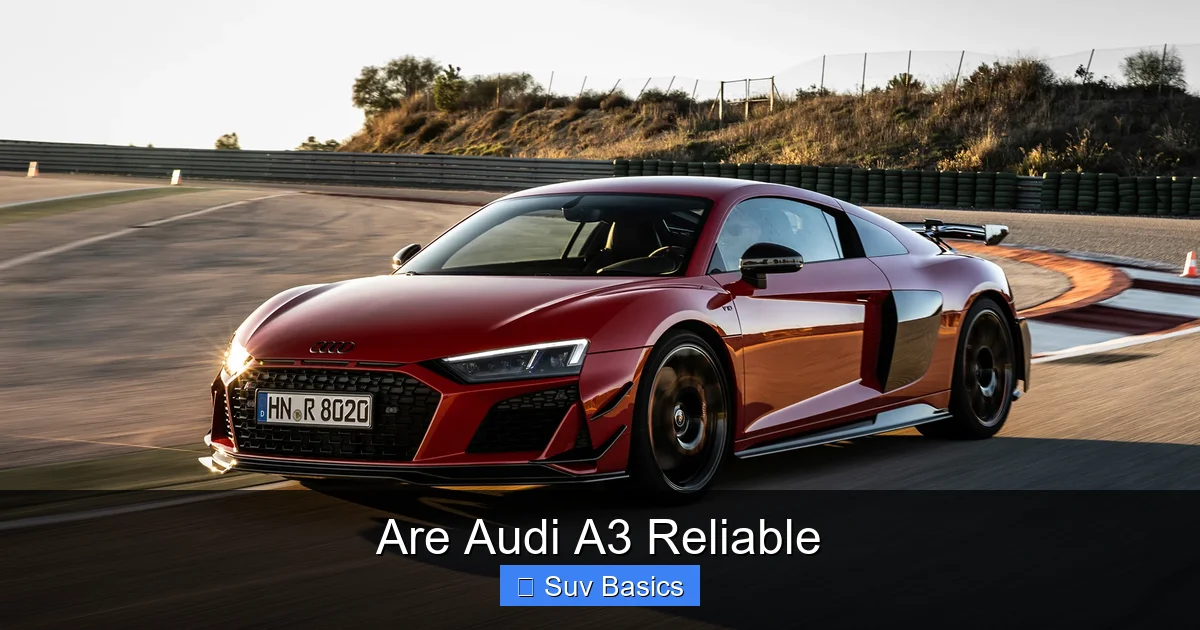
Visual guide about Are Audi A3 Reliable
Image source: motortrend.com
Reliability isn’t just about avoiding breakdowns. It also includes how often a car needs repairs, the cost of those repairs, and how well it holds up over time. Organizations like J.D. Power, Consumer Reports, and RepairPal evaluate vehicles based on these factors. For the Audi A3, scores have been mixed but generally positive, especially in recent years. The key takeaway? The A3 is reliable—but only if you treat it right.
What the Experts Say
According to Consumer Reports, the 2015–2020 Audi A3 models received above-average reliability ratings, particularly for engine and transmission performance. J.D. Power awarded the 2020 A3 a “Above Average” dependability score, citing strong owner satisfaction. However, earlier models—especially those from 2006 to 2013—have drawn criticism for higher-than-average repair frequency.
Common Issues in Audi A3 Models
No car is immune to problems, and the Audi A3 is no exception. While many owners enjoy trouble-free driving, certain issues have surfaced across different generations. Being aware of these can help you make an informed decision—especially if you’re buying used.
Engine and Timing Belt Concerns
One of the most reported issues in early A3 models (particularly the 2.0T engine from 2006–2013) is excessive oil consumption. Some drivers noticed their cars burning through a quart of oil every 1,000 to 1,500 miles. While not always a sign of imminent failure, it can lead to engine damage if ignored. Additionally, the timing belt on these engines must be replaced every 90,000 to 100,000 miles. Skipping this service can result in catastrophic engine failure.
Electrical and Infotainment Glitches
The A3’s advanced tech features are a major selling point, but they’ve also been a source of frustration. Owners have reported issues with the MMI (Multi Media Interface) system freezing, Bluetooth connectivity dropping, and dashboard warning lights appearing without cause. These problems are often software-related and can usually be fixed with updates—but they’re still annoying and may require a trip to the dealership.
Suspension and Brake Wear
Due to the A3’s sporty tuning, suspension components like control arms and bushings can wear out faster than in softer-riding sedans. Similarly, performance-oriented brakes may need replacement sooner, especially if you drive aggressively or in stop-and-go traffic. Regular inspections can help catch these issues early.
Maintenance Tips to Boost Reliability
The good news? Many of the A3’s reliability concerns can be minimized—or even avoided—with proper care. Think of your car like a high-performance athlete: it needs the right fuel, regular check-ups, and consistent training to stay in peak condition.
Stick to the Service Schedule
Audi recommends following a strict maintenance schedule, including oil changes every 10,000 miles (or once a year), brake fluid flushes every two years, and timing belt replacements at the specified interval. Using synthetic oil and OEM (Original Equipment Manufacturer) parts can also extend engine life and reduce wear. If you’re considering an SUV instead, our SUVs explained guide offers helpful insights SUVs explained guide.
Address Warning Lights Promptly
Don’t ignore that check engine light or dashboard alert. Early diagnosis can prevent small issues from becoming expensive repairs. For example, a faulty oxygen sensor might only cost $200 to replace—but if left unchecked, it could damage the catalytic converter, which can run over $1,500.
Use Quality Fuel and Parts
The A3’s turbocharged engines are designed to run on premium gasoline. Using regular fuel can lead to knocking, reduced performance, and long-term engine damage. Similarly, cheap aftermarket parts may save money upfront but can fail prematurely and void warranties.
Owner Experiences: Real-World Reliability
Nothing beats hearing from real owners. Across forums like AudiWorld, Reddit, and Edmunds, A3 drivers share a mix of praise and caution. Many report driving their cars well past 150,000 miles with only routine maintenance. One owner on AudiWorld mentioned putting 180,000 miles on a 2015 A3 with just oil changes, brake jobs, and a timing belt replacement.
On the flip side, some early-model owners describe frequent trips to the shop. A 2010 A3 owner on Reddit shared that their car needed a new turbocharger at 85,000 miles—costing over $2,000. However, they also noted that after the repair, the car ran smoothly for another 60,000 miles.
These stories highlight a key point: reliability often depends on how well the car was maintained by previous owners. A well-cared-for A3 can be a joy to own. A neglected one? Not so much.
Best and Worst Model Years
Not all Audi A3 models are created equal. If you’re shopping used, knowing which years to target—and which to avoid—can save you headaches down the road.
Best Model Years: 2015–2020
The 2015 redesign marked a major improvement for the A3. Audi introduced a more robust engine lineup, updated infotainment, and better build quality. These models consistently earn high reliability scores and benefit from modern safety features like automatic emergency braking and lane departure warning. The 2017–2020 models are especially strong, with fewer reported issues and strong resale value.
Years to Approach with Caution: 2006–2013
While still stylish and fun to drive, early A3 models come with more reliability risks. The 2.0T engine’s oil consumption issue is the biggest concern, along with timing belt failures and electrical gremlins. If you’re considering one of these years, always get a pre-purchase inspection and check the vehicle’s service history.
Warranty and Certified Pre-Owned Options
One way to boost confidence in an Audi A3’s reliability is to buy with a warranty. Audi’s new car warranty covers 4 years or 50,000 miles, including comprehensive protection for major components. For used buyers, the Audi Certified Pre-Owned (CPO) program is a smart choice.
CPO vehicles undergo a 300+ point inspection, come with a 1-year/unlimited-mile warranty, and include 24/7 roadside assistance. Many also qualify for extended warranty options. While CPO cars cost more than non-certized ones, the peace of mind is often worth it—especially for a luxury vehicle with complex systems.
Conclusion: Is the Audi A3 Right for You?
So, are Audi A3 reliable? The answer is a cautious yes—especially if you choose a well-maintained model from 2015 or later. The A3 delivers a premium driving experience, impressive fuel economy, and a stylish interior that rivals more expensive sedans. It’s a great choice for commuters, young professionals, and anyone who wants a touch of luxury without breaking the bank.
However, reliability isn’t guaranteed. Like any car, the A3 requires attention, quality parts, and timely maintenance. If you’re willing to invest in its care, it can serve you well for many years. But if you’re looking for a “set it and forget it” vehicle, you might want to consider a simpler, non-turbo alternative. Ultimately, the Audi A3 is a reliable luxury compact—on your terms.
Frequently Asked Questions
Is the Audi A3 expensive to maintain?
The Audi A3 is moderately expensive to maintain compared to non-luxury cars. Routine services like oil changes and brake jobs cost more due to premium parts and labor rates. However, following the maintenance schedule can prevent costly repairs.
Which Audi A3 engine is most reliable?
The 2.0L TFSI engine used in 2015–2020 models is considered the most reliable. It offers a good balance of power and efficiency with fewer reported issues than earlier versions.
How long do Audi A3 engines last?
With proper maintenance, an Audi A3 engine can last 150,000 to 200,000 miles or more. Key factors include timely oil changes, using premium fuel, and replacing the timing belt on schedule.
Are Audi A3 cars good in snow?
Yes, especially with Quattro all-wheel drive. The A3 handles well in snow and icy conditions, though winter tires are recommended for optimal traction. For more on all-wheel drive vehicles, see our history of SUVs article history of SUVs.
Do Audi A3 models have transmission problems?
Most A3 models use a reliable dual-clutch automatic (S tronic) or traditional automatic transmission. Early S tronic units had some teething issues, but these were largely resolved by 2015.
Should I buy a used Audi A3?
Yes, if it’s a 2015 or newer model with a clean service history. Always get a pre-purchase inspection and consider a CPO warranty for added protection.